Only 6 left to order
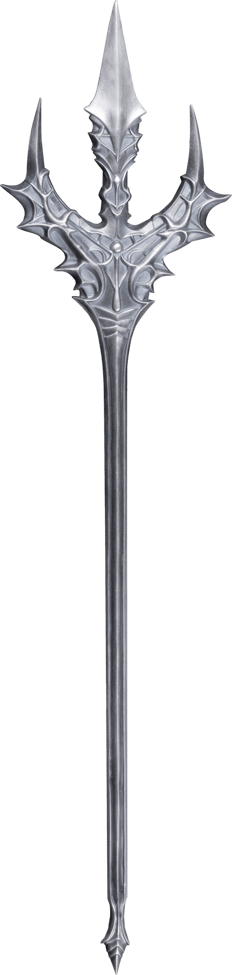
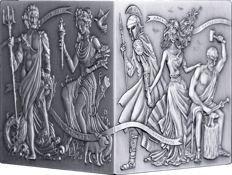
1/200 oz Gold Minted Bar Gods of Olympus - Poseidon 2026 (Mintage: 5,000 | Proof)
€69.90
VAT-free and excl. shipping
Available in 2–3 business days

 More than 300,000
 Over 30 years
 Secure shipping
 Google: 4.9/5


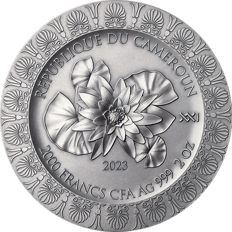
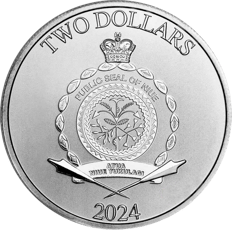
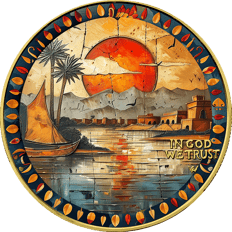
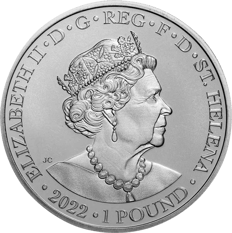
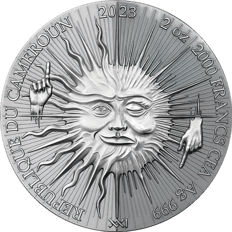
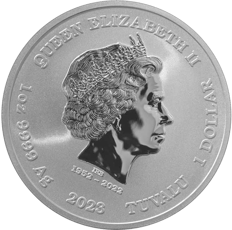
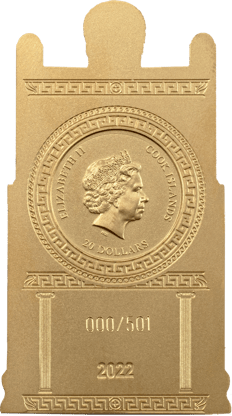
Coins depicting ancient mythology connect two worlds that seem far apart at first glance: the millennia-old legends of Greek, Roman and Egyptian cultures, and the tangible value of gold and silver. From Zeus and Poseidon to Athena and Apollo, through to Hercules, Pegasus and the goddesses of fate, every coin tells a chapter of Western cultural history. This guide highlights the most important designs, the most popular series, the various denominations and minting qualities, as well as the tax and practical aspects surrounding mythological bullion and collector coins.
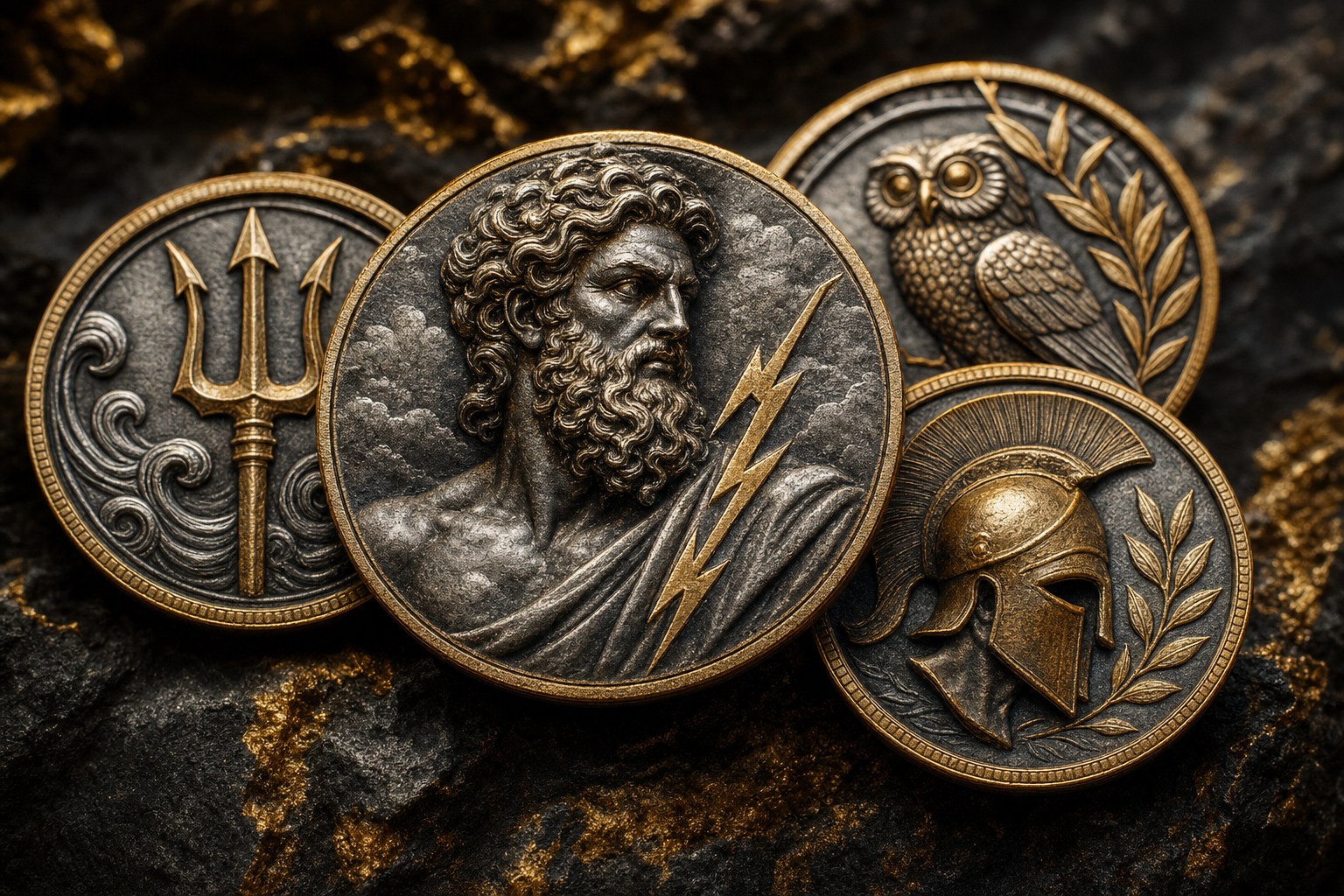
Ancient mythology has provided motifs for coins for over two thousand years. Even the cities and kingdoms of ancient Greece minted silver coins bearing the head of Athena, the thunderbolt of Zeus, or the trident of Poseidon. Modern mints revive this tradition and translate these ancient images into bullion and collector coins made of fine gold and fine silver. The appeal lies in the combination of historical narrative, artistic design and the material value of the precious metal.
Unlike classic circulation coins such as the Vienna Philharmonic, mythological issues place the design and its artistic execution at the forefront. Many series are released in limited mintages, sometimes with an antique finish, high relief or partial gilding. As a result, these coins occupy a space between pure investment products and thematic collector's items. Those who prioritise the tangible asset aspect will find further options in the broader range of silver bullion coins and gold bullion coins.
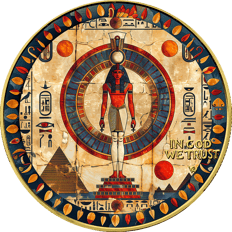
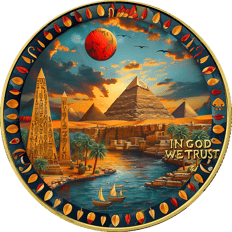
The subject area is roughly divided into three cultural spheres. Greek mythology, with its twelve Olympian gods, offers the most extensive repertoire of designs. Roman mythology adopted many of these deities under different names, such as Jupiter for Zeus or Venus for Aphrodite. Egyptian mythology contributes gods such as Ra, Anubis and Horus, whose animal-headed depictions still fascinate today. Related historical topics can also be found in the categories on Greece, Romans and Egypt.
Mount Olympus with its twelve principal gods forms the heart of many series. These figures have been iconographically well defined since antiquity, providing mints with a rich visual language. Each deity carries attributes by which they are instantly recognisable.
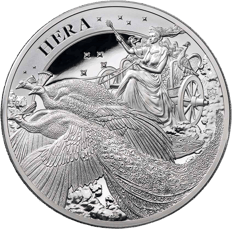
Series such as Gods of Olympus dedicate a separate issue to each deity, inviting systematic collecting. Those wishing to complete such a series will often find individual pieces scattered across various ranges, for example under further silver coins or further gold coins. The category Symbolism is also thematically related, bringing together many mythologically charged symbols.
Alongside the gods themselves, demigods and legendary creatures have established themselves as popular designs. Hercules with his twelve labours, Perseus as the slayer of Medusa, and the winged horse Pegasus are among the sought-after coins. Darker powers also find their place: the Fates as goddesses of destiny, the ferryman Charon, or the god of time Chronos embody the philosophical depth of ancient mythology. Fabled creatures of mythological origin are also gathered in the category Mythical Creatures.
Mythological coins are released predominantly in silver, complemented by select gold issues. The choice of metal and denomination determines both the price and the character of the coin.
The 1 oz silver coin is the standard format and the entry point for most series. Larger formats such as 2 oz or 5 oz issues allow for more elaborate reliefs and make particularly impressive display pieces. For a pure silver purchase, it is worth considering classic formats such as the 1 oz silver bar or larger kilo silver bars when the material value is the priority.
Gold issues with mythological designs are available both as classic 1 oz gold coins and in small denominations down to tiny minted bars as small as 1/200 oz. These minute formats make thematic gold designs accessible for a low two-figure amount. Those who regard gold primarily as a tangible asset will find more cost-efficient alternatives under 1 g gold bars and gold bars in general.
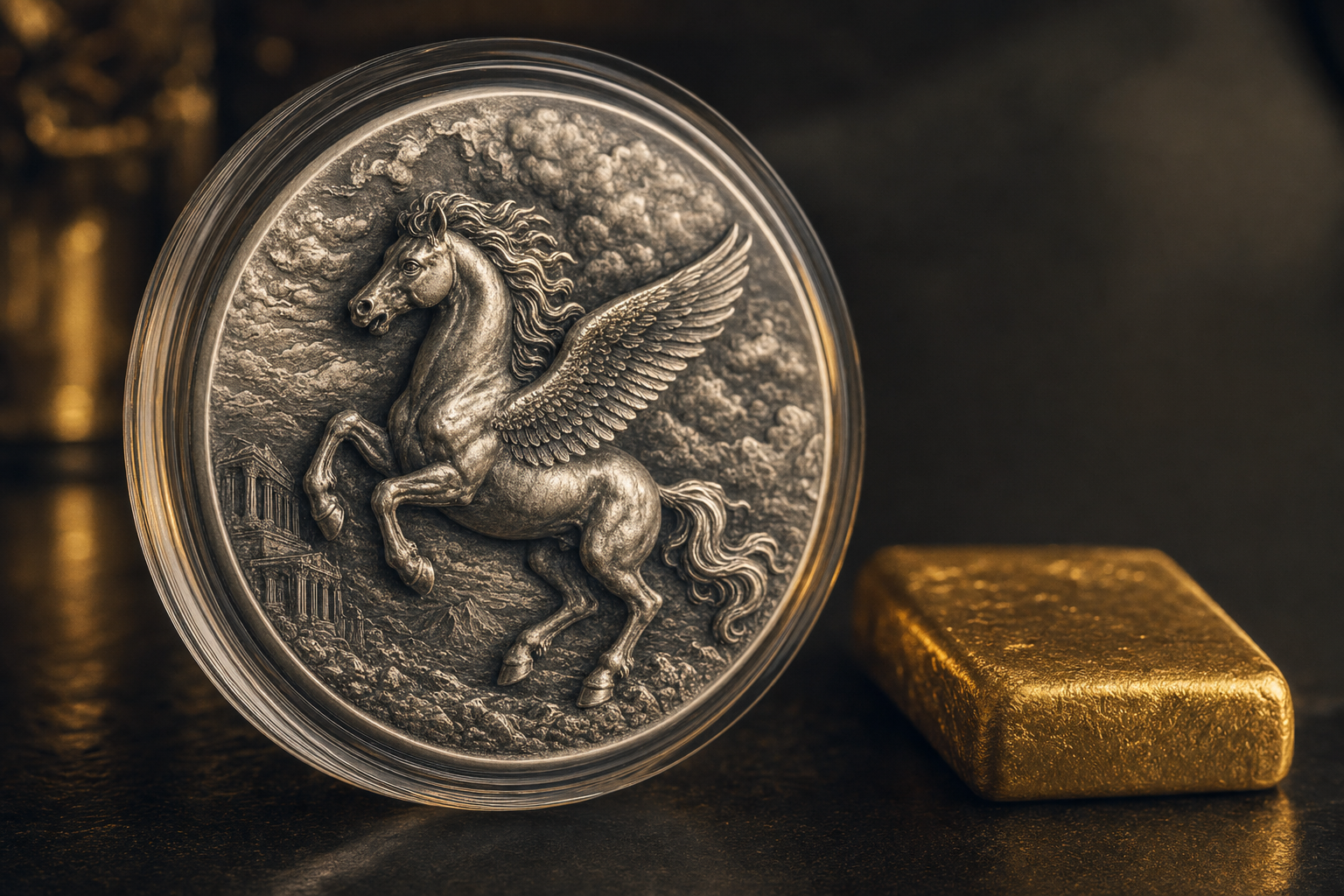
A significant part of the appeal of mythological coins lies in the minting techniques. Unlike pure bullion products, surfaces and reliefs are deliberately worked here.
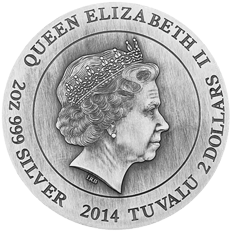
The antique finish in particular fits thematically well with ancient mythology, as it creates the impression of an archaeological find. Such enhanced editions can also be found grouped together under enhanced exclusive products and in the category partially gilded silver coins.
For thematic coins, the mintage plays a central role in defining the character of an issue. While series with a high mintage of several thousand pieces primarily serve the value of the design at a manageable premium, strictly limited coins with mintages of just a few hundred or even only 50 to 100 pieces are genuine collector's items. The combination of low mintage, elaborate finishing and a popular design determines demand in the collector's market.
A mythological design tells a story that no one needs to reinvent, it has been part of the collective memory since antiquity.
A sober classification is important here: collector coins follow their own market mechanisms, which can become detached from the pure precious metal price. The value of a limited edition depends on supply, demand and condition, not solely on the metal content. Those who wish to delve deeper into collecting will find a broad range in the category collector's coins, while the category Personalities brings together related narrative coin themes.
The tax classification of mythological coins is based on the precious metal, not the design. The general rules for gold and silver in Germany apply here.
Tax notice
In Germany, investment gold is exempt from VAT under § 25c UStG, provided the criteria for investment gold are met. Silver coins, on the other hand, are subject to VAT, often in the form of margin scheme taxation. This information is general in nature and does not replace individual tax advice.
Another aspect concerns the holding period for speculative gains: under current law, private capital gains from precious metals can be tax-free after a holding period of one year. The details depend on the individual case. Those who view gold specifically as a building block for wealth protection will find complementary ranges under inflation hedge and retirement provision.
Since mythological coins often carry collector value, their condition is crucial. Scratches, fingerprints or corrosion can noticeably reduce the value of a limited edition. Silver is also prone to tarnishing, which is why proper storage is especially important.
Suitable accessories for safe storage can be found in the categories coin capsules, coin cassettes and tin safes. For transport or the orderly presentation of a collection, coin cases are also a good choice.
As with all precious metal products: provenance and authenticity are essential. Reputable mints provide traceable information on fineness, weight and mintage. Kettner Edelmetalle relies on ISO-compliant authenticity verification and 100% insured shipping from a high-security logistics centre. As a German family business with over 200,000 customers, the dealer places great importance on transparent product information.
The following details are relevant for assessing a mythological coin: fineness of the precious metal, weight in troy ounces or grams, year of minting, mintage figure and minting quality. These characteristics are usually found directly in the respective product description. Those interested in the manufacturer's side will find, among others, Perth Mint and New Zealand Mint, some of the mints active in the field of thematic coins.
Among the most sought-after designs are the Olympian gods such as Zeus, Poseidon, Athena and Apollo, as well as heroes and hybrid creatures such as Hercules, Perseus and Pegasus. Series on Egyptian mythology featuring Ra, Anubis and Horus also attract many collectors. The Gods of Olympus series dedicates a separate issue to each deity, inviting systematic collecting.
Both are possible. Issues with high mintages emphasise the design value at a manageable premium over the precious metal value. Strictly limited coins with elaborate finishing, on the other hand, are genuine collector's items whose value can become detached from the pure material price. Those who prioritise tangible asset value tend to opt for classic bullion coins or bars.
Antique finish refers to an artificially aged surface that mimics the character of ancient artefacts. Recesses appear darker and raised areas lighter, making the relief appear more sculptural. This technique fits particularly well thematically with mythological designs, as it creates the impression of an archaeological find.
In Germany, investment gold is exempt from VAT under § 25c UStG, provided the investment gold criteria are met. Silver coins are subject to VAT, often in the form of margin scheme taxation. Private capital gains can be tax-free after a holding period of one year. This information is general in nature and does not replace individual tax advice.
Collector coins should be kept in coin capsules to avoid scratches and fingerprints. A dry, temperature-stable environment protects silver from tarnishing. For larger holdings, coin cassettes, tubes or a safe are suitable. Certificates and proof of authenticity are ideally kept together with the coin.
Silver issues typically come as 1, 2 or 5 oz coins. Gold designs range from the classic 1 oz coin to small minted bars as small as 1/200 oz, making thematic gold accessible for a low amount. The choice of metal and format determines the price and character of the coin.
Stay informed with product launches, financial news and exclusive offers. Sign up for our free newsletter today.
By entering your email address and clicking the "Submit" button, you give the following consent: "I agree to be informed by email about new products, financial news and exclusive offers, and therefore consent to the processing of my email address for the purpose of sending the newsletter. I can revoke this consent at any time without giving reasons, with effect for the future. The lawfulness of processing carried out prior to revocation remains unaffected."