Only 9 left to order
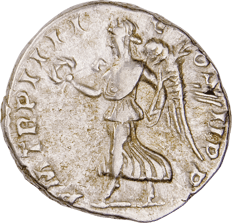
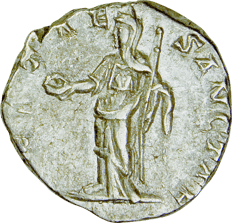
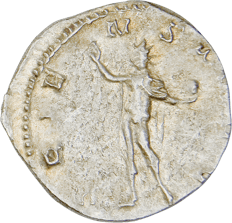
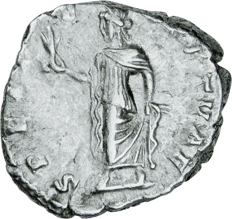
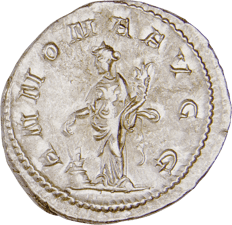
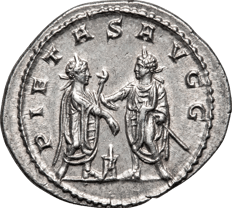
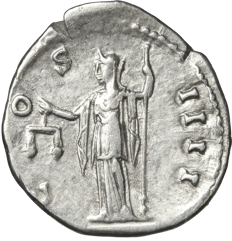
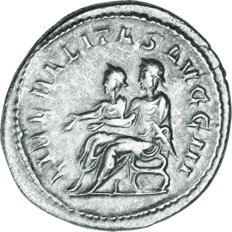
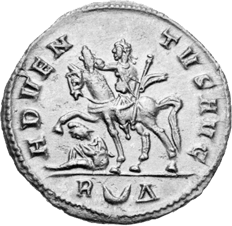
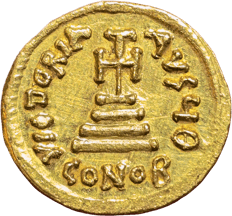
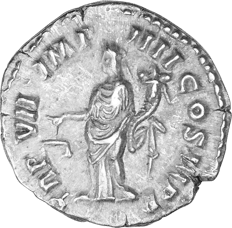
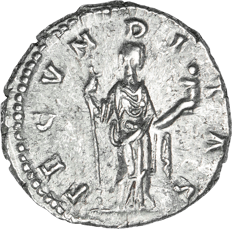
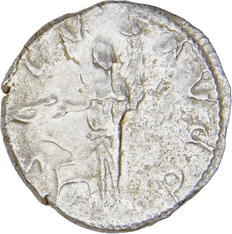
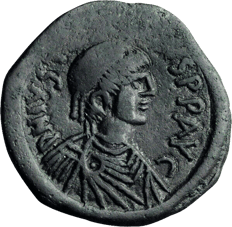
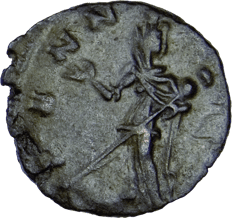
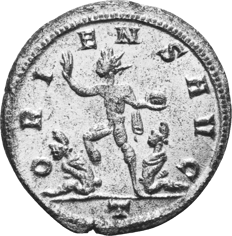
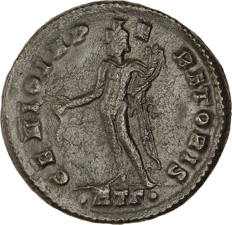
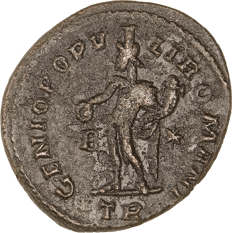
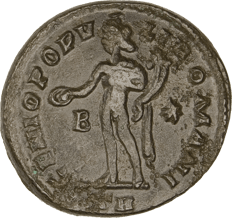
Antoninianus Emperor Gordian III (238-244 AD | Campaign to the Euphrates)
€99.00
excl. shipping *
Available in 2–3 business days

 More than 300,000
 Over 30 years
 Secure shipping
 Google: 4.9/5


The Roman Empire shaped not only the history of Europe for centuries, but also the art of coin minting. Modern Roman silver coins capture this fascination, combining historical designs such as emperor portraits, legionaries or ancient buildings with high-quality minting technique. This guide explores the history of Roman coinage, the significance of the designs, the various editions and grades of preservation, as well as tax and collecting aspects of modern new mintings on Roman themes.
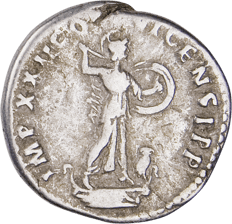
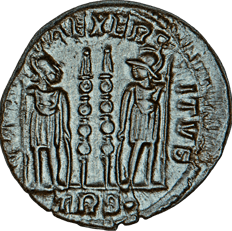
Even in ancient Rome, the coin was far more than a means of payment. It served as a propaganda instrument, a carrier of political messages and a mirror of the respective ruler. The silver denarius was the empire's most important currency for centuries, complemented by gold coins such as the aureus and later denominations such as the antoninianus or the centenionalis. The coinage of the Roman Empire featured portraits of rulers, deities and symbols of power, turning the coins into historical documents.
This millennia-old tradition continues to inspire mints worldwide to this day. Modern collector's coins on Roman themes retell episodes from antiquity and make the era tangible, without the need to acquire a genuine antique original coin. Anyone interested in other eras will also find ranges covering neighbouring cultures in the History section.
Original antique coins are highly sought-after collector's items today, but are subject to strict rules on the protection of cultural property and require sound expertise to assess authenticity. Modern new mintings bypass these hurdles: they interpret historical designs in pure fine silver, offer defined mintages and clear proof of provenance. Thematically related ranges from the ancient Mediterranean region can be found in the Greece and Egypt categories.
The variety of designs found on modern mintings with Roman themes is considerable. It ranges from individual ruler portraits and historical events to entire series depicting different eras of the empire. Particularly popular are depictions of well-known emperors such as Augustus, the first princeps, or dramatic scenes from Roman history.
Those who prefer thematic design collections will also find suitable connections in the Personalities and Symbolism sections. For designs relating to the Greek and Roman pantheon, it is also worth taking a look at ancient mythology.
Hardly any design is as closely associated with Roman coins as the ruler portrait. From Constantine the Great to the emperors of the early Principate, central figures of history are immortalised on modern silver coins. Such mintings combine numismatic interest with historical education and are well suited as a thematic introduction to antiquity.
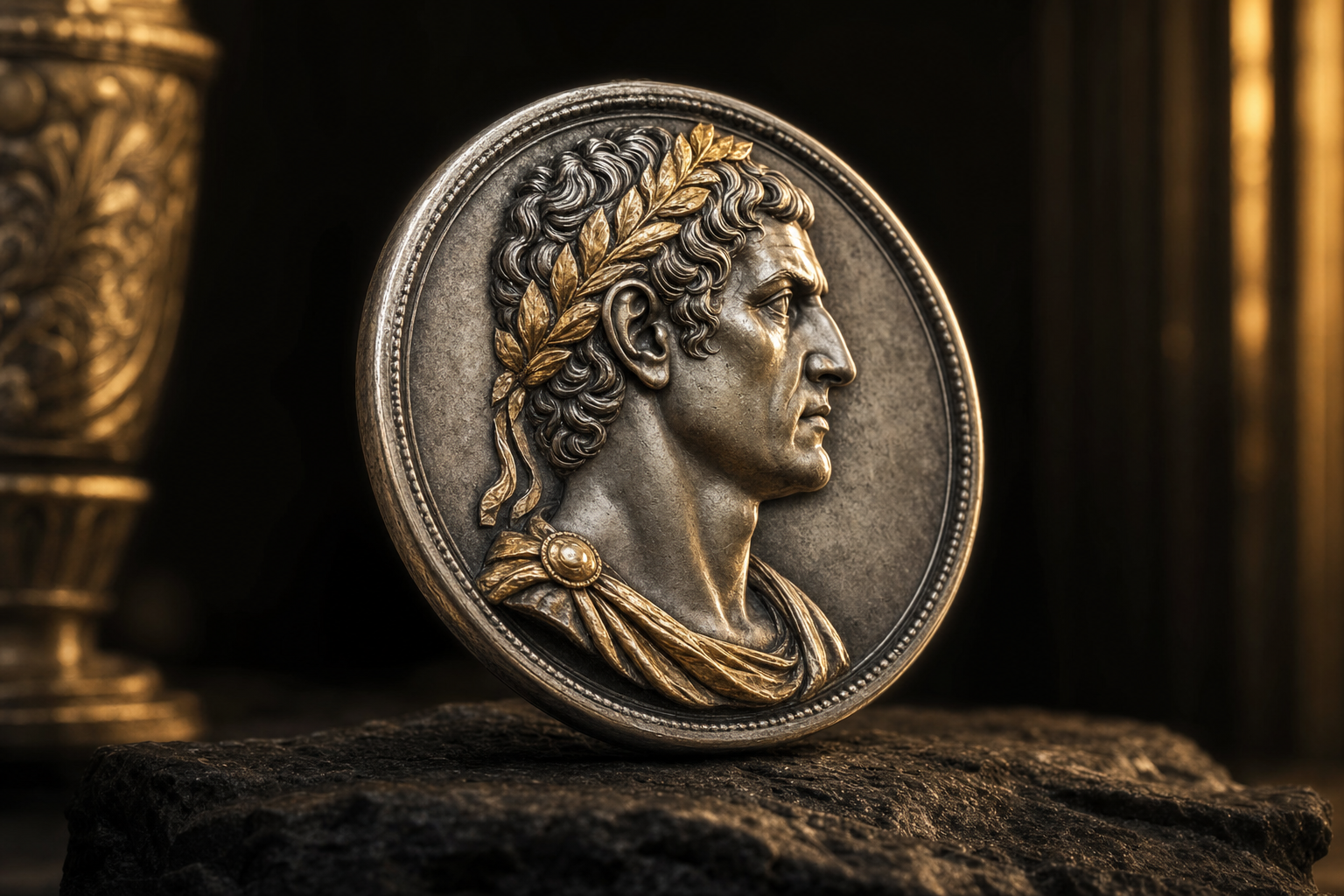
Modern Roman collector's coins are available in various minting qualities and finishes that determine their visual character and, frequently, their collector's value. The most common editions are:
Additionally, finishes such as partial gilding are used, highlighting individual parts of the design with a fine layer of gold. Some editions even incorporate special materials, such as volcanic ash in designs related to Pompeii. To protect such enhanced pieces, suitable accessories such as high-quality coin capsules are recommended.
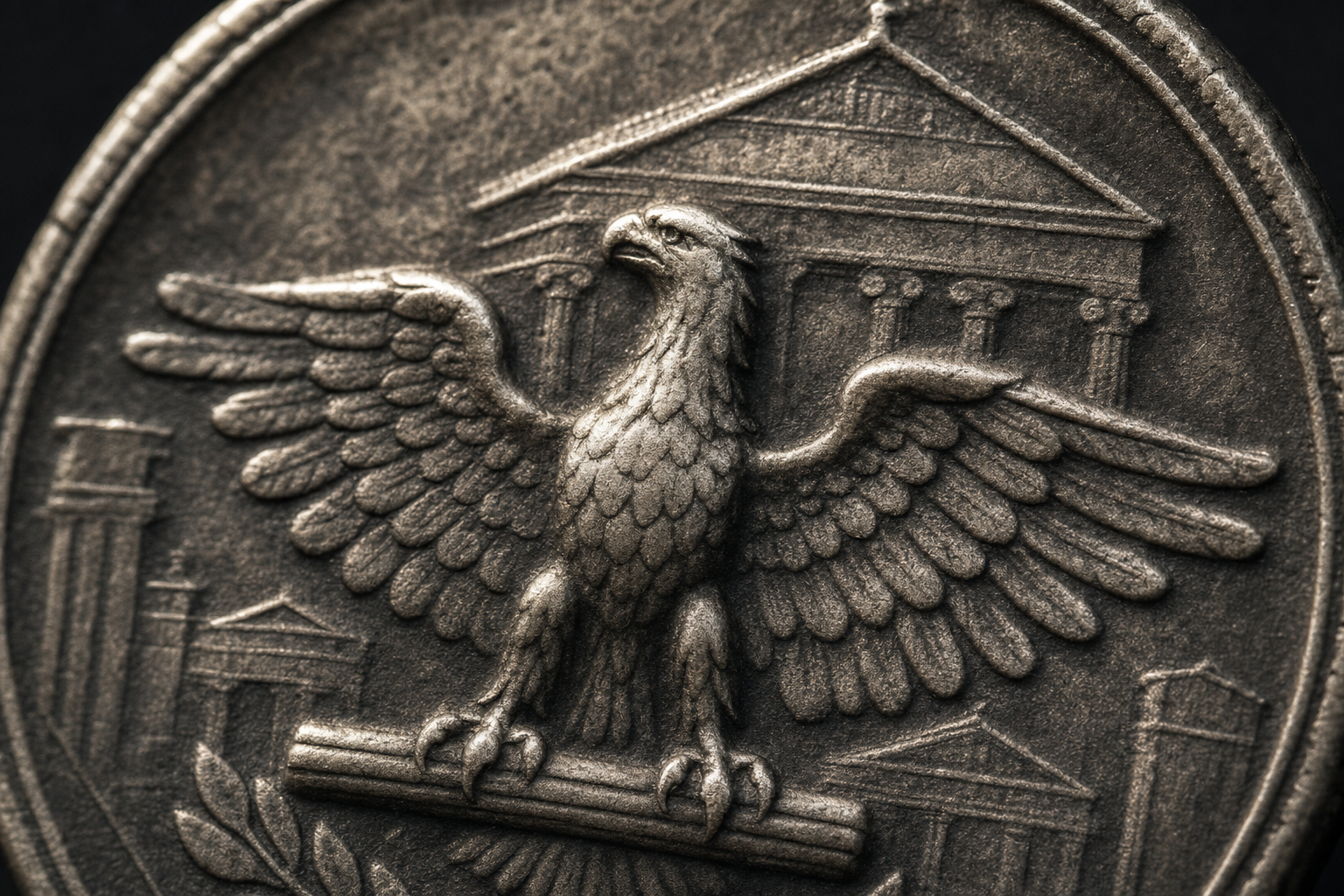
A key feature of collector's coins is the limited mintage. Mintings on Roman themes are often issued in strictly limited numbers, ranging from a few hundred to a few thousand pieces. Small mintages underline the collectible character, while higher mintages offer wider availability. A low mintage limit, however, is no guarantee of value appreciation: demand, grade of preservation and the popularity of the design remain the decisive factors.
Most modern Roman collector's coins are made of fine silver with a fineness of 999/1,000. Common weight classes are based on the troy ounce:
| Denomination | Fine weight | Typical use |
|---|---|---|
| 1 oz | 31.1 g | Standard format for many series |
| 2 oz | 62.2 g | High-relief editions |
| 3 oz | 93.3 g | Larger design surfaces |
| 1 kg | 1,000 g | Prestigious collector's pieces |
The 1 oz denomination is the most common format and offers a good balance between design surface and price. Larger formats such as 2 oz, 3 oz or the kilogram collector's piece allow for impressive detail and higher relief. Anyone generally interested in silver as an investment and collecting metal will find a broad overview in the silver coins category as well as among silver bars.
Unlike investment gold, which is exempt from VAT in Germany, silver coins are generally subject to VAT. For silver collector's coins, the margin scheme often applies, under which only the trading margin, rather than the full selling price, is taxed. This can be advantageous compared to standard taxation.
Tax notice
Whether a silver coin is taxed under the standard scheme or the margin scheme depends on its origin and the trading route. Private sales are also subject to a one-year holding period, after which any gains are tax-free. This information does not replace tax advice: professional advice should be sought for individual cases.
Anyone considering silver as part of a more broadly diversified precious metals holding may also wish to look at the ranges in the silver bullion coins section, where material value takes greater precedence over the collecting aspect.
Modern collector's coins generally carry details of the issuing country, face value, fine weight and fineness, which provide an initial point of reference for authenticity. At Kettner Edelmetalle, precious metal products undergo ISO-compliant authenticity verification before being dispatched by insured shipping. For long-term storage, protecting the surface is crucial, especially for partially gilded pieces or Proof finishes.
Coin cassettes and coin cases are well suited for an organised collection, storing several pieces securely and clearly. Anyone building an entire themed collection will benefit from consistent storage systems.
With Roman collector's coins, two value drivers exist side by side: the pure silver value, based on the current silver price, and the numismatic value, which depends on the design, mintage, grade of preservation and demand. While the material value forms a solid floor, the collector's value can fluctuate significantly. For collectors, the sentimental and aesthetic appeal is often the main focus. Anyone prioritising material value will find a wide range in the other silver coins category.
A coin just a few centimetres in diameter tells the story of an entire world empire: that is what makes Roman designs so appealing to collectors.
Roman themes are part of a broader trend of historical design series that reinterpret ancient cultures for collectors. Besides Rome, the Middle Ages, ancient Greece and other advanced civilisations are popular subject areas. These series appeal to collectors who value the cultural and historical narrative and the artistic execution rather than the precious metal price.
Related historical themed worlds can be explored via the Middle Ages and Asia categories. Anyone wishing to bridge the gap to classic bullion staples will find established reference products of the silver market in the silver Krugerrand or the Vienna Philharmonic.
No. Modern collector's coins on Roman themes are contemporary new mintings that draw on historical designs such as emperor portraits or ancient events. They are usually made of pure fine silver and carry a current year of issue. Genuine ancient denarii or aurei form a separate collecting field with their own rules on the protection of cultural property.
Most mintings are made of fine silver with a fineness of 999/1,000. Common weights are 1 oz (31.1 g), 2 oz and 3 oz, as well as prestigious kilogram pieces. The exact fineness and fine weight are stated in the product description.
Antique finish refers to an artificially aged surface that evokes the character of historical excavated coins. This makes the reliefs appear more three-dimensional and gives the coin a darker, patinated look. This finish is particularly well suited thematically to ancient designs.
Unlike investment gold, silver coins are subject to VAT. For collector's coins, the margin scheme often applies, under which only the trading margin is taxed. Private sales are also subject to a one-year holding period, after which gains are tax-free. Individual tax advice is recommended.
The value is made up of the silver content and the numismatic collector's value. The material value forms a floor, while the collector's value depends on mintage, design, grade of preservation and demand, and can fluctuate. Anyone primarily seeking material value will find more suitable options among classic bullion coins and bars. An increase in value is not guaranteed.
Ideally, coins should be stored in close-fitting coin capsules, supplemented by cassettes or cases for larger collections. The coins should be kept dry and handled only by the edge to avoid fingerprints and tarnishing. Accompanying certificates and cases should be kept, as they preserve the collector's value.
Stay informed with product launches, financial news and exclusive offers. Sign up for our free newsletter today.
By entering your email address and clicking the "Submit" button, you give the following consent: "I agree to be informed by email about new products, financial news and exclusive offers, and therefore consent to the processing of my email address for the purpose of sending the newsletter. I can revoke this consent at any time without giving reasons, with effect for the future. The lawfulness of processing carried out prior to revocation remains unaffected."