Only 1 left to order
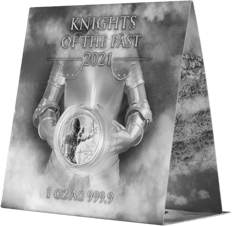
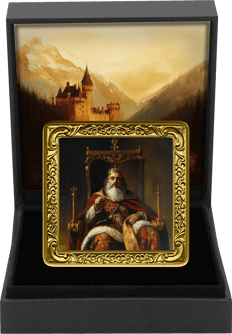
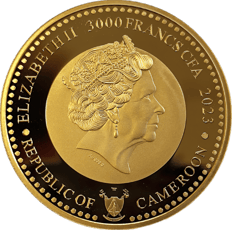
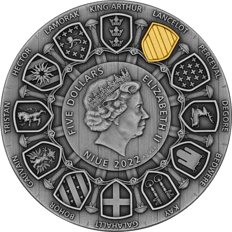
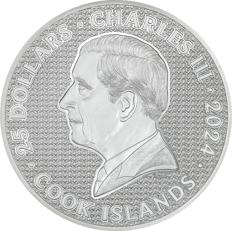
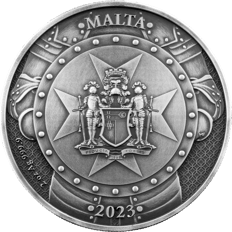
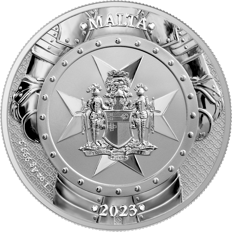
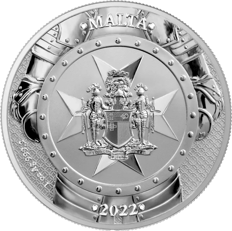
1 oz Silver Knights of the Past (Mintage: 15,000 | 2nd Issue)
€169.41
excl. shipping *
Available in 2–3 business days

 More than 300,000
 Over 30 years
 Secure shipping
 Google: 4.9/5


The Middle Ages is one of the most fascinating periods in European history: a time of knights and castles, mighty emperors, trading towns and the first regional coinage systems. Modern collector's and bullion coins draw on this imagery, transforming legends such as the Knights of the Round Table, formidable armoured knights or the Nordic heritage of the Vikings into finely minted silver and gold. This guide places the world of designs in context, explains historical coin forms such as the Pfennig and Heller, sheds light on minting techniques, tax particulars and proper storage, and shows what matters when collecting medieval designs.
Anyone collecting medieval coins today rarely buys a thousand-year-old original. Far more common are modern strikes in fine silver or fine gold that take up historical themes: the armoured knight, the courtly legend of King Arthur, the seafarers of the north, or outstanding rulers such as Charlemagne. These coins combine the emotional appeal of one of Europe's most formative eras with the material value of precious metal. They are therefore both a collector's item and a tangible asset.
The subject area is broad, ranging from the Migration Period through the High Middle Ages to the early modern era. Within the historical theme world, the Middle Ages stands alongside eras such as Roman antiquity and ancient Greece. Together they form a connected narrative universe that many collectors complete thematically.
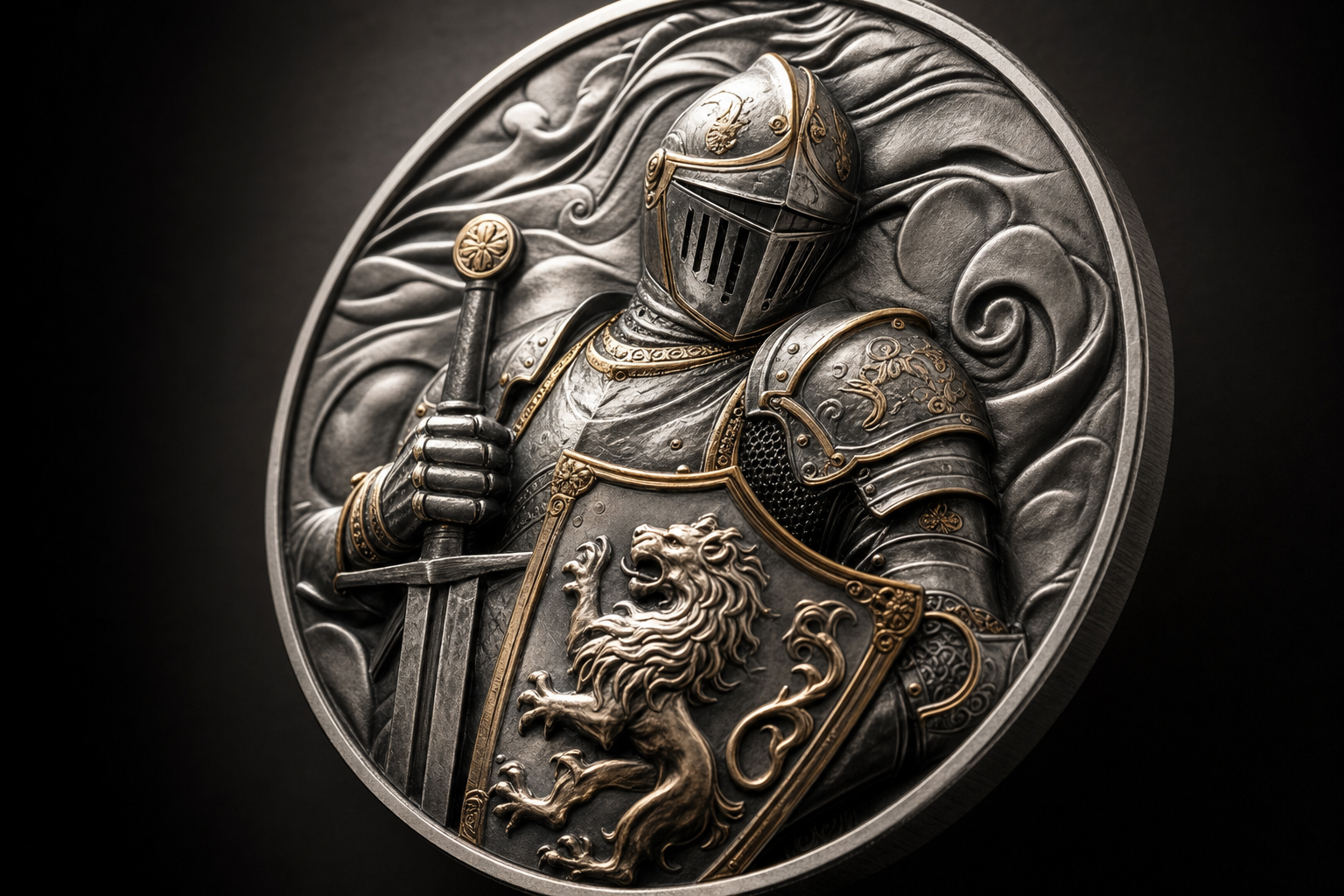
Hardly any design embodies the Middle Ages as directly as the knight. Series centred on the Knights of the Round Table draw on the Arthurian legend, while other editions portray the heavily armoured warrior as a symbol of honour and valour. Elaborate finishes such as antique finish, partial gilding or high relief are frequently used to give the design sculptural depth.
The Viking Age falls within the early Middle Ages chronologically and is a distinct, popular collecting field in its own right. Designs featuring Nordic seafarers, runes and mythology combine history and legend. Anyone interested in the cultural roots north of the Alps will also find thematic links among the Nordic mythical creatures and Nordic mythology.
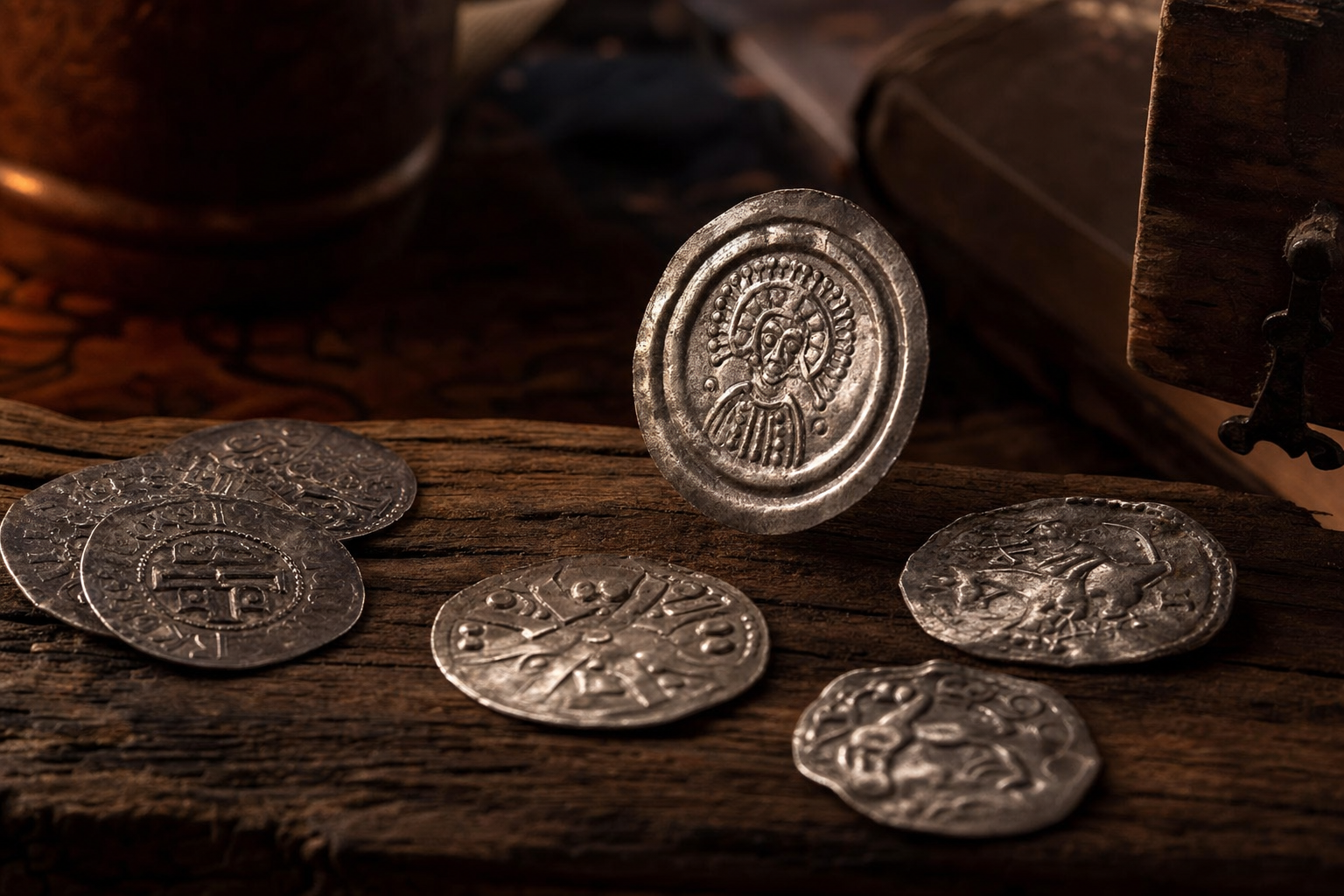
To put modern themed coins into context, it is worth looking at the actual coinage of the era. The Middle Ages had no unified monetary system; instead, a multitude of regional currencies existed, minted by kings, bishops, towns and princes. The Pfennig was the most important silver coin in German-speaking lands for centuries. Numerous subunits and regional variants developed from it.
Among the best-known historical coin types are:
Important mints were located in trading and episcopal cities such as Bamberg, Cologne or Regensburg. Anyone enthusiastic about historical gold coin forms will find modern points of reference, for example, among ducats or other German gold coins that draw on old traditions.
Medieval designs appear predominantly on silver coins, more rarely in gold. Silver offers a large striking surface on which detailed scenes such as tournaments, castles or battles can be depicted particularly well. The most common formats follow the international troy ounce standard.
As a general rule: smaller formats are more affordable to start with, while larger denominations offer more space for artistic design. Anyone who values silver primarily as a tangible asset will find more affordable alternatives with a lower premium over material value among the classic silver coins and silver bars.
Medieval coins are often elaborately enhanced to reinforce their historical appearance. Common finishes include the antique finish, which imitates artificial ageing, partial gilding of individual design elements, as well as high relief, which gives the design three-dimensional depth. These techniques are complemented by minting qualities such as Mint State or Proof.
Medieval coins move between two worlds. As collector's items with a low mintage, often only a few hundred or thousand pieces, the thematic and artistic appeal takes centre stage. Their value derives from rarity, design, condition and demand. As investment objects, it is above all the precious metal content that counts.
A collector's coin tells a story: its value lies in the design as much as in the metal.
Anyone who emphasises the collecting aspect should pay attention to low mintages, clean condition and series that are as complete as possible. Anyone investing primarily in precious metal is usually better off with classic bullion coins or common bullion strikes such as the Maple Leaf, because the premium over the pure metal value is lower there. Both approaches can be combined: part of the portfolio in liquid investment classics, part in themed collector's pieces.
When it comes to tax classification, the distinction between gold and silver is crucial. In Germany, investment gold is exempt from VAT under § 25c UStG, provided it meets the statutory criteria for investment gold. Silver coins, on the other hand, are subject to VAT; imported silver coins are frequently subject to the margin scheme.
Tax note
Investment gold is exempt from VAT in Germany under § 25c UStG. Silver coins are generally subject to VAT. After a holding period of more than twelve months, private capital gains from precious metals are exempt from income tax (§ 23 EStG). This is general information and not tax or investment advice.
The twelve-month speculation period mentioned applies equally to private sales transactions involving silver and gold. Anyone wishing to explore the tax framework for investment gold in more depth will find further categories among gold coins and gold bars.
Especially with collector's coins featuring historical designs, a careful look pays off. Reputable strikes are produced by established mints and carry clear information on fineness, weight and mintage. Kettner Edelmetalle relies on ISO-compliant authenticity verification, so that every coin is checked before shipping.
The following features should be noted when buying:
Anyone in doubt about a coin can compare its weight and diameter against the official manufacturer's specifications. Suitable collector's accessories such as precision scales and magnifying glasses support one's own checks.
Collector's coins with special finishes are sensitive to touch and environmental influences. Fingerprints, moisture and sulphur compounds in the air can cause silver in particular to tarnish. Proper storage is therefore crucial for long-term value preservation.
For the secure storage of larger holdings, additional storage accessories are available that protect coins from mechanical and climatic influences.
As a rule, these are modern strikes in fine silver or fine gold that take up historical themes such as knights, Vikings or medieval rulers. Genuine original coins from the Middle Ages, such as Pfennigs or bracteates, belong to the specialised field of historical numismatics and are traded separately.
Among the most sought-after designs are knights and the legend of the Round Table, heavily armoured warriors, Nordic seafarers from the Viking Age, and important rulers. The range is complemented by cultural and historical symbols and landmarks of the era.
The value is made up of the precious metal content and the collector's premium. For pure precious metal investment, classic bullion coins with a lower premium are usually more efficient. Medieval coins are primarily aimed at collectors who value design and rarity. This is general information and not investment advice.
Silver offers a large striking surface and is considerably more affordable to start with than gold. This allows detailed, large-format designs at an affordable price. Silver is also historically fitting, as the medieval Pfennig was likewise a silver coin.
Each coin should be protected individually in a coin capsule and stored in a dry, cool place away from light. Coin cases or coin boxes are suitable for series. Coins should be handled by the edge as much as possible to avoid fingerprints and tarnishing.
Antique finish is a surface finish that imitates artificial ageing and gives the coin a historical appearance. High relief refers to a particularly deep, sculptural strike that gives the design a three-dimensional effect, ideal for depictions of knights and battles.
Stay informed with product launches, financial news and exclusive offers. Sign up for our free newsletter today.
By entering your email address and clicking the "Submit" button, you give the following consent: "I agree to be informed by email about new products, financial news and exclusive offers, and therefore consent to the processing of my email address for the purpose of sending the newsletter. I can revoke this consent at any time without giving reasons, with effect for the future. The lawfulness of processing carried out prior to revocation remains unaffected."