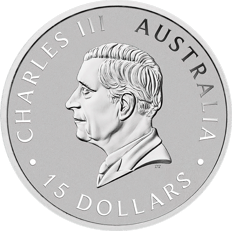
Sold out

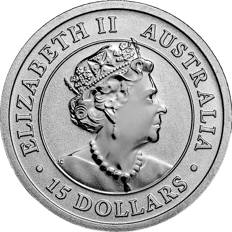
1/10 oz Platinum Australia Kookaburra 2023 (Mintage: 15,000)
€302.32
incl. VAT and excl. shipping
currently not available

 More than 310,000
 Over 30 years
 Secure shipping
 Google: 4.9/5
Since 2011, the Australian mint "The Perth Mint" has been releasing the Platypus for the first time in platinum. The bullion coin, also internationally known as the "Platinum Platypus", depicts a diving platypus with an annually consistent design. The mintage is limited to 30,000 pieces per year. The Platypus bullion coin in platinum is available exclusively in the 1 ounce denomination. The face value is 100 Australian dollars (AUD).


The Platinum Platypus is one of the rarest bullion coins in the world: since 2011, the Australian Perth Mint has been striking the diving platypus in 999.5 platinum in a strictly limited mintage of just 30,000 pieces per year. This combines an extraordinary animal design with one of the scarcest precious metals of all. This guide covers the coin's history and design, the technical details, the available denominations, authenticity features, the tax particulars of platinum, as well as sensible storage and its position within the market for platinum coins.
Around the globe, the Australian Platypus has been one of the best-known designs on platinum coins for over a decade. The platypus is an emblem of Australian wildlife and one of the few egg-laying mammals on Earth. The Perth Mint took up this unusual animal to add a platinum highlight to its range of Australian bullion coins. Previously, the Kangaroo, Koala and Emu had already found their way onto Australian coins; it was not until 2011 that the platypus followed as its own platinum series.
The coin carries a face value of 100 Australian dollars (AUD) and is officially recognised as legal tender in Australia. In practice, however, its material value lies far above the face value stamped on it, which is why it is traded exclusively as an investment and collector's item. Anyone interested in the wide range of Australian animal designs will also find comparable concepts in the Platinum Kangaroo Nugget or in the Koala silver coin series.
The Perth Mint in Perth, Western Australia, is one of the world's most storied mints and is renowned for its high striking quality. There, the Platypus is given the mint mark P, which appears to the left of the animal design. Besides platinum, the mint produces numerous bullion and collector coins in gold and silver, including the series built around the Kookaburra. The close connection between Australian wildlife and high-quality minting craftsmanship makes the mint's products sought after by collectors worldwide.
The design of the Platinum Platypus was created by Australian graphic artist Natasha Muhl. It shows a diving platypus next to two vertically coiled water plants, a design that remains largely unchanged from year to year. The animal is framed by the inscription Australian Platypus, the fine weight, the fineness and the respective year of issue.
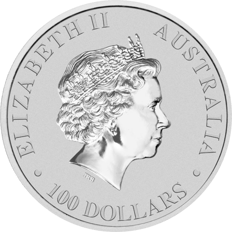
On the early years of issue, the obverse carries the portrait of Queen Elizabeth II in profile, designed from a model by sculptor Ian Rank-Broadley. The fact that the British head of state adorns an Australian coin is typical of Commonwealth coinage. The obverse is further completed by the inscriptions Australia, the face value 100 Dollars, and the name of the respective monarch. Anyone looking for a comparison to other designs featuring a monarch's portrait will also find this tradition on the Britannia platinum coins or the Queen's Beasts.
The 1 oz issue of the Platinum Platypus has consistent dimensions across the years of issue. The key specifications:
The classic Platinum Platypus is traditionally issued in the 1 oz denomination, which is the standard size of the series. In addition, the Perth Mint's Australian platinum programme also features smaller denominations of related animal designs, such as 1/10 oz, which are of interest to newcomers with a smaller budget.
The 1 oz issue is the heart of the Platypus series. It offers the best material value per gram, since the minting premium is spread over a larger quantity of metal. For investors focused on pure precious metal, this denomination is the obvious choice. Anyone wishing to compare size ratios with other platinum series will find inspiration in the Platinum Maple Leaf or the Platinum American Eagle.
Fractional issues such as 1/10 oz allow for a more affordable entry point and a finer division of invested capital. The downside: the percentage premium over the pure metal value is higher for small denominations. Nonetheless, they remain popular for building a broad collection or as a gift. A wide overview of further sizes and designs can be found in the other platinum coins category.
Platinum is among the rarest precious metals in the world. The annual mined volume is significantly lower than that of gold, and most of it comes from just a few mining regions, chiefly South Africa, home to the world's largest platinum mines. This geographic concentration makes supply particularly susceptible to fluctuations.
A key price driver is industrial demand. Platinum is used in numerous fields, including:
Historically, platinum was underestimated for a long time: although finds confirm its use as early as ancient Egypt, the metal only gained significance with industrial processing towards the end of the 18th century. Anyone wishing to add platinum in bar form will find suitable formats in the range of platinum bars. The basics of the precious metal itself are covered in the platinum category.
An investment object made of platinum combines the lasting value of a precious metal with the demand dynamics of an industrial raw material, a dual role that makes it particularly fascinating.
The Perth Mint equips its coins with several features that facilitate verification. For the Platinum Platypus, the following points are particularly relevant:
A professional check is carried out using scales, calipers and, if necessary, non-destructive methods. Kettner Edelmetalle uses an ISO-compliant authenticity verification for this purpose, so that every coin traded is checked. Anyone who wants to invest in verified bullion coins in general will find an overview in the bullion coins category.
An important difference compared to gold: platinum coins are not exempt from VAT in Germany. While investment gold is VAT-exempt, platinum is generally subject to VAT. In practice, the margin scheme is often applied to platinum bullion coins, under which tax is charged only on the trading margin and not on the full amount.
Tax note
Unlike investment gold, platinum is not exempt from VAT in Germany. A possible capital gain may be tax-free once the one-year holding period has elapsed. This is general information and does not replace tax advice; for individual cases, a tax advisor should be consulted.
For investors who want to take advantage of gold's tax benefits, it is worth taking an additional look at classic gold coins or gold bars. A balanced mix of different precious metals is common among many collectors and investors.
Platinum is a highly corrosion-resistant and robust precious metal that does not tarnish. Nevertheless, the sensitive struck surface should be protected from scratches and fingerprints, as these can reduce the collector's value. Several options are available for storage:
Suitable accessories for secure storage can be found in the coin capsules category as well as under coin cassettes. Anyone storing many identical pieces often turns to coin tubes. The basic rule for all bullion coins: handle them only by the edge wherever possible, and never run bare fingers over the struck surface.
The Platinum Platypus unites two worlds. As a bullion coin, its material value takes centre stage; its price essentially follows the global platinum price, which in turn depends heavily on industrial demand, mining output and the US dollar. As a collector's item, the coin benefits from the low annual mintage of just 30,000 pieces and its unusual animal design.
Compared with gold and silver, the overall range of platinum coins is relatively limited, which makes the series attractive to enthusiasts of scarce coinage. Anyone wishing to diversify their portfolio across several precious metals can combine the Platypus with other series, such as the Platinum Vienna Philharmonic or the Platinum Krugerrand. No return promises can be derived from the past; what matters is the long-term perspective and one's personal investment strategy.
The platypus is not only present as a pure platinum bullion coin. It also appears on the Australian 20-cent circulation coin and was featured in the 2018 issue of the Australia at Night series. In this series, the platypus was followed annually by other native animals such as the kangaroo, echidna, wombat and sugar glider, though as gold and silver issues, not platinum strikes.
This thematic diversity makes the platypus particularly appealing to design collectors. Related Australian animal designs can be found, for example, in the Kangaroo gold coins or in the collection of native wildlife from other mints. The themed section Land animals also brings together numerous coins featuring animal designs.
The coin is struck from platinum with a fineness of 999.5. The 1 oz issue weighs exactly 31.12 grams gross and contains one troy ounce of pure platinum. The mint is the Australian Perth Mint.
The mintage is limited to 30,000 pieces per year. Due to this strict limitation, individual years of issue are often quickly sold out, making the Platinum Platypus one of the rarer bullion coins.
No. Unlike investment gold, platinum is not exempt from VAT in Germany. The margin scheme is often applied to platinum coins. For the specific tax treatment, a tax advisor should be consulted.
The Perth Mint has been issuing the Platypus as its own platinum series since 2011. Before that, the Kangaroo, Koala and Emu were already established as Australian bullion coins. The design of the diving platypus comes from graphic artist Natasha Muhl.
The Platypus features an unusual, specifically Australian animal design and is struck only in a small mintage. Unlike the Platinum Maple Leaf or the Platinum Vienna Philharmonic, the collector aspect plays a more prominent role alongside its pure material value.
Coin capsules, cassettes or tubes are recommended, as they protect the struck surface from scratches and fingerprints. For larger holdings, a safe or a bank safe deposit box offers additional security. The coin should always be handled only by the edge.
 Platypus
Stay informed with product launches, financial news and exclusive offers. Sign up for our free newsletter today.
By entering your email address and clicking the "Submit" button, you give the following consent: "I agree to be informed by email about new products, financial news and exclusive offers, and therefore consent to the processing of my email address for the purpose of sending the newsletter. I can revoke this consent at any time without giving reasons, with effect for the future. The lawfulness of processing carried out prior to revocation remains unaffected."