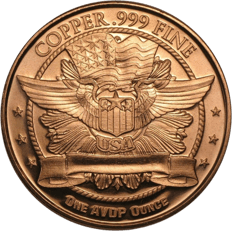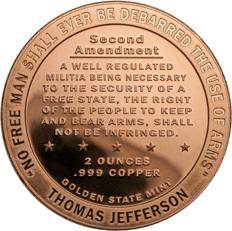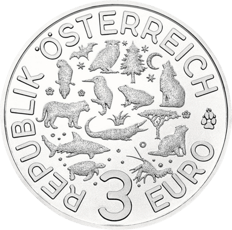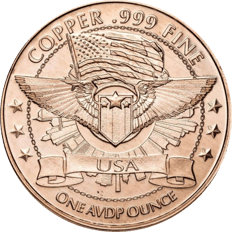
1 oz Copper Coin 20th Anniversary of September 11, 2001
€9.90
incl. VAT and excl. shipping
Available in 2–3 business days

 More than 310,000
 Over 30 years
 Secure shipping
 Google: 4.9/5


Copper commemorative coins tell stories: of historic turning points, fascinating personalities and natural spectacles, immortalised in warm, reddish metal. Unlike classic bullion coins made of gold or silver, commemorative coins made of copper score points with an enormous diversity of designs and low entry prices. The following sections cover history and origin, denominations, alloys, authenticity features, the correct handling of patina, tax aspects and the question of what actually distinguishes a commemorative coin from a medal.

Commemorative coins mark special historical events, anniversaries, cultural or artistic highlights, and are typically struck in strictly limited mintages by selected mints. It is precisely this limitation that makes them appealing to collectors: regardless of the current material value, a commemorative coin can rise in value purely due to strong demand and a low number of pieces.
While well-known bullion coins made of precious metals often feature the same recurring designs, copper reveals a completely different range. The spectrum stretches from famous classics such as the China Panda in copper or the Indian Head design to unusual subjects: mythical creatures, predators or mythological scenes can be found here just as readily as historical restrikes. Copper makes numismatic works of art possible that would cost many times more in silver and be unaffordable in gold. Anyone seeking the appeal of variety will repeatedly find surprises in the further copper series.
Strictly speaking, copper itself is not a precious metal but a semi-precious metal. It tarnishes in air, forming a protective patina, a characteristic that many collectors particularly value. As part of numismatics, copper has a tradition going back thousands of years and connects the past, present and future of coin minting.
Copper is one of the oldest coinage metals in human history. Small coins were already being struck from the reddish metal in antiquity, and for centuries it served as the preferred material for circulating money needed in large quantities. The reason lies in its properties: copper is soft enough to allow precise striking, while remaining tough and resilient in everyday use.
For a long time, copper played a role in numismatics mainly in small coins and alloys. More recently, this has changed: an increasing number of mints are issuing commemorative strikes in pure copper that are comparable in dimensions and weight to classic gold or silver coins, yet can be offered at significantly lower prices. Even the Austrian Mint has switched part of its five-euro commemorative coins from silver to copper, evidence of just how much the metal has gained in numismatic significance. Anyone interested in the classic precious-metal counterparts will find inspiration in the range of silver coins.
Copper commemorative coins are struck across a broad range of diameters and weights. As is usual with precious metals, weight is generally given in ounces, with one troy ounce equating to around 31.1 grams. Occasionally there are also models specified in grams.
Copper commemorative coins are generally larger than the circulating coins we are used to. Compared with the 25.75-millimetre diameter of the current two-euro coin, many copper strikes reach significantly larger dimensions. The New Year's coin in copper designed by the Austrian Mint, for example, measures 28.5 millimetres and weighs just under nine grams. Anyone wishing to expand their collecting field beyond copper will also find plenty to discover among the Buffalo copper coins.
When buying, it is worth looking closely at the purity. Some collector's items consist of almost pure copper with a fineness of 999/1,000, while others are deliberately made as an alloy. Popular combinations include brass (copper and zinc), bronze (copper and tin) and nickel silver (copper, nickel and zinc). These alloys change the colour, hardness and feel of the coin and open up additional design possibilities.
A common misconception concerns everyday circulating coins. The one, two and five cent coins consist at their core of inexpensive iron and carry only a thin copper coating as protection against rust. The 10, 20 and 50 cent coins, by contrast, already have a copper content of around 89 percent, while the one and two euro coins consist largely of copper. However, these circulating coins are not suitable as collector's items. Anyone seeking historical copper content is more likely to turn to German commemorative coins from before 2001: the five and ten Deutsche Mark coins of that era consist of 40 percent copper and 60 percent silver and remain sought after by collectors to this day.
The pure material value of a copper coin is measured, as with gold, silver or platinum, against the trading price on world markets. The copper price moves depending on political and social events, material availability and general demand.
Copper is a key raw material for the energy transition: the expansion of renewable energy and electric mobility requires large quantities of this highly conductive metal. At the same time, strikes, political uncertainties and investment backlogs in major producing countries such as Chile and Peru repeatedly tighten supply. In recent years, the copper price has therefore shown marked fluctuations alongside a long-term upward trend. For collectors, this is an interesting side aspect, though the real appeal of a commemorative coin lies in its design, mintage and condition, not in the metal value alone. Anyone wishing to view copper primarily as a raw material will find a fitting complement in copper bars.
Note on performance
Precisely because of the low acquisition cost, copper commemorative coins make it possible to build a diverse collection for small amounts. However, statements about future increases in value always remain uncertain and do not constitute investment advice.
By nature, copper comes with certain characteristics that make it resistant to forgery: a distinctive weight, a specific electrical conductivity and a typical colour that are difficult to imitate. Even so, a few points should be kept in mind when buying.
To protect against tarnishing, many copper coins are coated with a fine protective lacquer. For long-term storage, suitable coin capsules are recommended, as they protect the piece from air, moisture and contact.
It is precisely the reddish colouring that is highly prized by collectors. An important point beforehand: cleaning can reduce collector's value, as a naturally developed patina is considered by many to be authentic and valuable. For heavily tarnished pieces without any particular collector's value, tried and tested household remedies can help.
Important note on cleaning
Acidic household remedies are suitable exclusively for pure copper and copper alloys. Silver coins must never come into contact with acetic acid solutions, as this can lead to discolouration or permanent damage to the precious metal. When in doubt, the rule is: for pieces with collector's value, it is better to avoid any cleaning and preserve the patina.
For the safe storage of multiple pieces, coin boxes or coin cases are a good choice, keeping the collection organised and protected.
Unlike investment gold, copper coins are not exempt from VAT. For private resale, however, an important rule applies: if a sale takes place within the first twelve months after acquisition, profits above the annual tax-free allowance of 600 euros must be taxed. After this speculation period has elapsed, the sale of private items is generally tax-free. This information is of a general nature and does not replace individual advice; in a specific case, a tax advisor should always be consulted.
The real motivation for collecting, however, rarely lies in tax matters. Copper commemorative coins combine an affordable entry point with creative freedom and emotional connection: a design that ties in with a personal memory, a hobby or a passion makes every collection unique. Anyone who enjoys thematic strikes will also find plenty of inspiration among the thematic commemorative coins, and anyone wishing to explore the full possibilities of the material should take a look at the entire category of collector's coins.
A commemorative coin carries an embossed face value and is therefore an official means of payment of an issuing country. If the face value is missing, it is a medal. When buying, it is therefore always worth looking closely at the strike.
Copper is significantly cheaper than gold or silver. This makes it possible to realise elaborate, large-format designs in high-relief striking that would cost many times more in precious metal. Collectors benefit from a great variety of designs at affordable prices.
Many collectors consider a naturally developed patina to be authentic and value-enhancing. Cleaning can reduce the grade and should therefore be carefully considered. For pieces without particular collector's value, mild household remedies such as vinegar and salt can help.
For a private sale within twelve months of purchase, profits above the tax-free allowance of 600 euros per year are subject to tax. After this speculation period has elapsed, a sale is generally tax-free. This information is of a general nature and does not replace tax advice; a tax advisor should always be consulted in an individual case.
Many collector's items consist of almost pure copper with a fineness of 999/1,000. Alloys such as brass, bronze or nickel silver are also common, changing the colour and hardness of the material.
Airtight coin capsules that protect against moisture and contact are ideal, combined with a coin box or coin case for organised storage. Many copper coins also carry a fine protective lacquer against tarnishing.
 Commemorative Coins
Stay informed with product launches, financial news and exclusive offers. Sign up for our free newsletter today.
By entering your email address and clicking the "Submit" button, you give the following consent: "I agree to be informed by email about new products, financial news and exclusive offers, and therefore consent to the processing of my email address for the purpose of sending the newsletter. I can revoke this consent at any time without giving reasons, with effect for the future. The lawfulness of processing carried out prior to revocation remains unaffected."