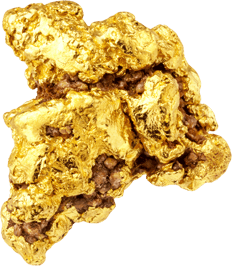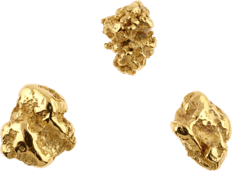
Gold Prospector Starter Set by Macherey und Söhne
€79.90€89.90
incl. VAT and excl. shipping
Available in 6–7 business days

 More than 310,000
 Over 30 years
 Secure shipping
 Google: 4.9/5

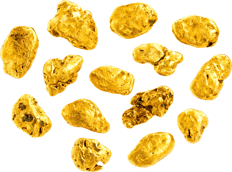
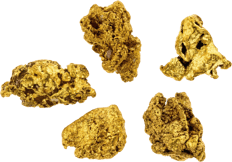
Real gold nuggets – hand-picked, each piece a unique creation of nature. Our nuggets come from the legendary DMAX gold prospectors Macherey & Söhne, found in the vast lands of Alaska and Australia.


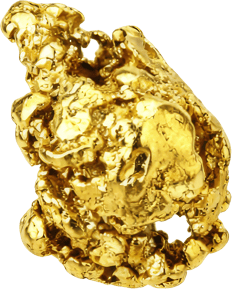
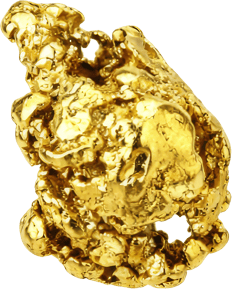
No coin press. No prescribed shape. Just natural gold, with edges, hollows and branches that hold your gaze.
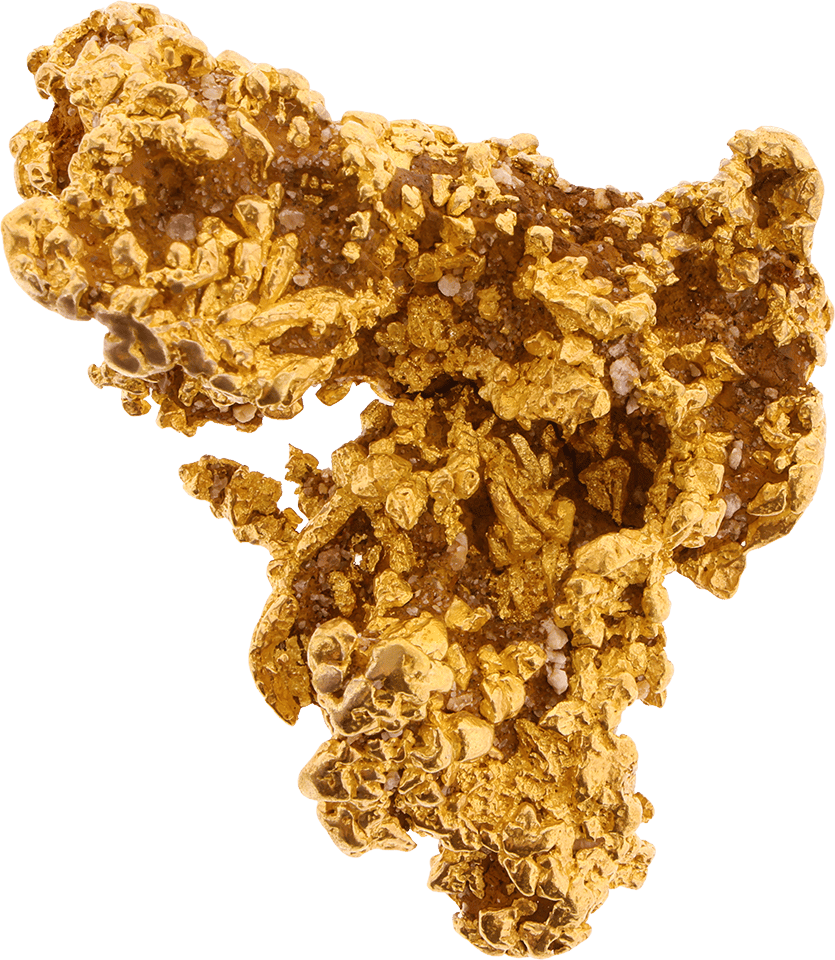
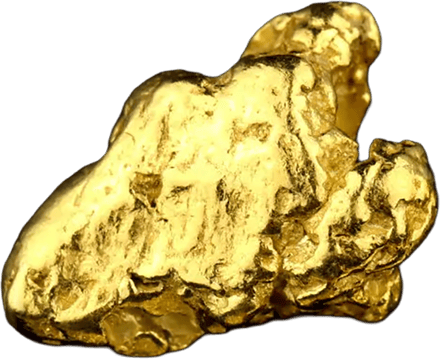
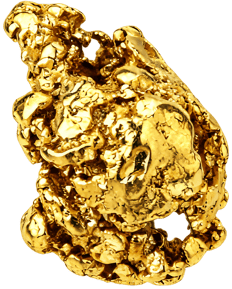
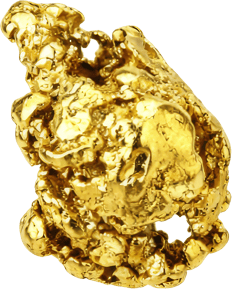
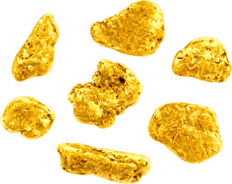
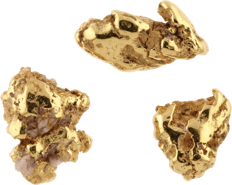
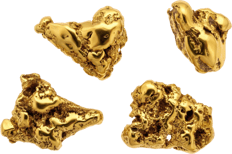
A smoother surface here, delicate branches there. Two shapes of natural gold. Shape alone cannot reveal how an individual piece formed.
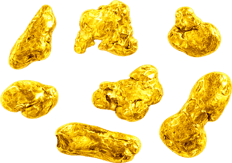
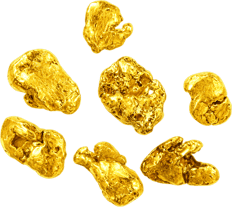
Illustrative photographs from our range, not to scale. The shape and surface of the delivered piece may differ.
Released from rock, carried by water: one common path takes gold into the hollows of a streambed.
Hot fluids can deposit gold in cracks in rock, often alongside quartz.
Weathering releases the gold. Water moves it.
Heavy gold particles remain in hollows.
Schematic illustration of one common formation pathway. Not to scale and not a determination of the origin of the pieces shown.
John Deason finds the Welcome Stranger in Victoria. With Richard Oates, he recovers the nugget from beneath tree roots. The find is later broken up to fit the bank scales. It has not survived as a whole.

The discovery at what became Bonanza Creek sets off the Klondike gold rush. Keish (Skookum Jim Mason), George Carmack, Shaaw Tláa and Káa Goox are part of its story. Accounts differ on who first saw the gold.
These historic discovery sites tell stories of natural gold. Origin descriptions of pieces sold today do not establish that they were found at these exact sites.
Discover natural gold in all its shapes. Return to the gold nuggets.
Gold nuggets are the most primal form in which the precious metal occurs in nature: grown lumps of natural gold that are not created in a mint, but shaped over millennia in rivers and rock seams. No two pieces are alike, which is why genuine gold nuggets, besides their pure metal value, also carry a distinct collector's and rarity appeal. This guide explains their formation and origin, the most important source regions such as Australia and Alaska, purity and weight, authenticity features, special tax aspects, as well as the difference to classic investment products such as bars and coins.
A gold nugget is not produced, it is found. While bars and bullion coins are made from melted and newly shaped fine gold, a nugget is a naturally grown piece of native gold in its unaltered form. It is precisely this natural quality that defines its special character: every specimen has its own shape, surface and structure that cannot be reproduced. Those seeking the classic, standardised route to buying gold will find it in the range of gold bars or gold coins; a gold nugget, by contrast, combines the material value of gold with the appeal of a genuine natural object.
This dual value, metal value plus collector's value, is the central characteristic. Unlike standardised products, with nuggets the rarity of the shape plays a role alongside the pure gold content. Particularly large, unusually shaped or flawless pieces can be traded above their pure material value.
Natural gold is rarely chemically pure in the ground. Typical gold nuggets reach a purity of around 80 to 95 per cent, with the remainder usually consisting of silver and traces of copper. This natural alloy gives each piece its characteristic colour, which can range from light yellow gold to warmer tones. Those seeking maximum fineness of 999.9 will tend to choose refined investment gold; the charm of the nugget lies precisely in its unworked, naturally grown form.
Gold nuggets form over geological timescales. Gold is released from gold-bearing rock seams through weathering and water erosion and deposited in river courses. Because gold is considerably heavier than the surrounding sediment, it accumulates at certain points in the riverbed, the basis of traditional gold panning. A rough distinction is made between placer gold from river deposits and reef gold, which comes directly from the parent rock.
The shape of a nugget tells its story: smooth, rounded pieces were carried long distances in water, while angular, jagged specimens were found closer to their original rock. This natural diversity is why nuggets cannot be catalogued in standard weights, unlike the graduated small gold bars.
Australia is among the most significant source regions worldwide. The continent is historically known for spectacular finds, and even today many of the traded pieces originate there. Gold nuggets from Australia are considered particularly sought after, as the local source areas stand for high-quality, often high-carat natural gold.
The regions around Alaska and the neighbouring Yukon area in Canada are closely linked to the historic gold rush of the late 19th century. Gold nuggets from Alaska carry this mining history within them and are particularly popular with collectors because of their origin. Pieces from these North American regions frequently display the typical, naturally grown, irregular shape.
The value of a gold nugget is made up of several factors. The basis is always the current gold price, based on the fine gold content. However, since the purity is below 100 per cent, the actual gold weight is calculated from the gross weight and the fineness. In addition, there are premiums for shape, rarity and collector's appeal.
The following criteria determine the value of a nugget:
For reference: genuine gold nuggets on the market are often in the range of a few grams. Pieces of just one to two grams are already considered attractive collector's items, while larger specimens become genuine rarities. Those wishing to invest in a plannable way in standardised weight units will find a well comparable alternative in the graduated 5-gram gold bars.
Note on value determination
Unlike bars and bullion coins, natural gold has no uniform, daily standard market price. The traded value of a gold nugget always results from the combination of metal value and individual collector's appeal and can vary considerably between individual pieces.
Since gold nuggets are a sought-after natural product, authenticity verification is particularly important. Genuine natural gold has a high density and is noticeably heavier than visually similar materials such as pyrite, popularly known as "fool's gold". Reputable pieces are offered with a traceable provenance and, depending on the supplier, with a certificate.
The following characteristics help identify genuine gold nuggets:
Kettner Edelmetalle relies on ISO-compliant authenticity verification, so every piece traded is dispatched already verified. For the later safe storage of these delicate natural objects, suitable coin capsule accessories or a decorative coin case are recommended.
Gold nuggets consist of pure natural gold and therefore generally fall within the scope of investment gold. Investment gold is exempt from VAT in Germany under the applicable regulations, provided it meets the legal requirements, a significant difference, for example, compared to silver products, which can be subject to margin scheme taxation. The fine gold content of the piece is decisive here.
Another aspect concerns the speculation period: a capital gain from the sale of physical gold can be tax-free for private individuals after the statutory one-year holding period has elapsed. Since the tax treatment depends on the individual case, this information does not replace individual advice. Those wishing to use gold specifically for long-term wealth protection will find further ranges in the areas of retirement provision and inflation hedge.
Gold is chemically stable and does not tarnish, yet gold nuggets should be protected from mechanical damage, as natural gold is relatively soft. The delicate, naturally grown structure of a nugget is part of its appeal, scratches or bent tips diminish the visual and therefore the collector's value. Dust and impact-protected storage is therefore recommended.
Padded jewellery cases, capsules or small display cabinets, in which the pieces are stored individually, have proven effective. For a larger collection, structured solutions from the range of collector's accessories are suitable. Those wishing to keep part of their precious metal holdings fundamentally secure can use a bank safe deposit box or a home safe; Kettner Edelmetalle also ships every parcel 100 per cent insured.
Those weighing up natural gold against classic investment gold should know the different characteristics. Standardised products offer predictability, nuggets offer uniqueness.
| Characteristic | Gold nugget | Gold bar / coin |
|---|---|---|
| Shape | naturally grown, unique | standardised, identical |
| Purity | approx. 80-95% | 999.9 (fine gold) |
| Value basis | Metal value + collector's value | predominantly metal value |
| Tradability | individual, depending on the piece | standardised, worldwide |
For pure, predictable investment, globally recognised classics such as the Krugerrand or the Maple Leaf are the first choice, as they can be traded on transparent terms closely tied to the gold price. A gold nugget, on the other hand, is intended more for collectors and enthusiasts who appreciate a unique natural piece. Many investors combine both: broadly diversified gold bullion coins as a base and selected nuggets as an individual addition.
A gold nugget is not minted, but shaped by nature, therein lies its lasting appeal.
Natural gold is rarely chemically pure. Genuine gold nuggets typically reach a purity of around 80 to 95 per cent, with the remainder usually consisting of silver and traces of copper. This natural alloy also determines the respective colour tone of the piece.
Genuine gold has a high density and is unusually heavy for its size. It shows a warm golden hue, is soft and malleable, and should be offered with an indication of origin or a certificate. Brittle, glittering bluish pieces, on the other hand, are usually pyrite, colloquially known as fool's gold.
Gold nuggets consist of natural gold and generally count as investment gold, which is exempt from VAT in Germany under the applicable regulations, provided the legal requirements are met. The fine gold content is decisive. A binding answer for individual cases is provided by tax advice.
Gold nuggets combine the pure metal value with a collector's and rarity appeal. For a plannable investment closely tied to the gold price, standardised bars and bullion coins are better suited. Nuggets appeal primarily to collectors and enthusiasts who appreciate a unique natural piece, and are suitable as an individual addition to a precious metals holding.
Among the best-known source regions are Australia as well as Alaska and the neighbouring Yukon area in Canada. These regions are historically linked to major gold finds and the gold rush of the 19th century, and stand for high-quality, naturally grown gold among collectors.
Gold does not tarnish, but it is soft and sensitive to scratches. Gold nuggets should be stored protected from impact and dust, for example in capsules, padded cases or small display cabinets, so that the natural shape remains undamaged and the collector's value is preserved.
Stay informed with product launches, financial news and exclusive offers. Sign up for our free newsletter today.
By entering your email address and clicking the "Submit" button, you give the following consent: "I agree to be informed by email about new products, financial news and exclusive offers, and therefore consent to the processing of my email address for the purpose of sending the newsletter. I can revoke this consent at any time without giving reasons, with effect for the future. The lawfulness of processing carried out prior to revocation remains unaffected."