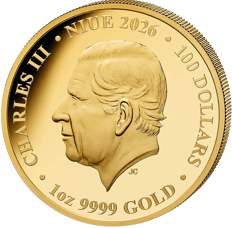
Only 1 left to order
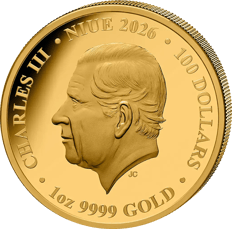
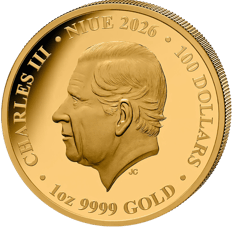
1 oz Gold Squirrel 2026 (Mintage: 30 | Proof)
€6,500.00
VAT-free and excl. shipping
Available in 2–3 business days

 More than 310,000
 Over 30 years
 Secure shipping
 Google: 4.9/5


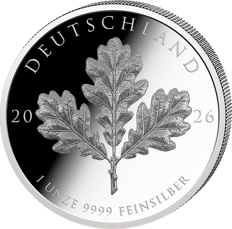
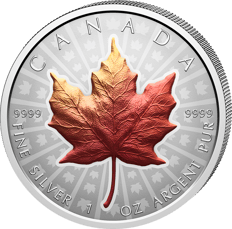
Hardly any design theme captivates collectors and investors as immediately as nature. Majestic birds of prey, shimmering sea creatures, the forest on your own doorstep or the untouched expanse of the wilderness: nature designs combine aesthetic fascination with the value of precious metal. The following sections show what makes animal and nature coins so popular, which series and denominations exist, what to look out for in terms of minting quality and authenticity, and how collecting pleasure and lasting value preservation can be sensibly combined.
Animals and depictions of nature are among the most sought-after design groups in modern numismatics worldwide, and this has tradition: animals already appeared as symbols of sovereignty on ancient coinage, such as the owl on the silver coins of Athens. They speak a universal visual language: an eagle stands for freedom and strength, the wolf for wildness, the owl for wisdom, the butterfly for transience and beauty. This symbolic power makes nature coins emotionally accessible: you don't need to be an experienced numismatist to feel the appeal of a finely engraved animal portrait.
Added to this is the sheer diversity of designs: from native species to exotic wildlife to endangered species, every collector finds a theme that touches them personally. Anyone who is fascinated by the wildlife of their own region will find what they are looking for among the German forest animals, while lovers of African wilderness revel in the great safari designs. Nature coins tell stories, and that is precisely what elevates them beyond a pure precious metal investment.
A nature coin is more than minted metal: it captures a moment of creation that can be retold anew year after year.
The nature theme is divided into several clearly distinguishable areas, which are also suitable as independent collecting focuses. Anyone who collects with a thematic focus builds a coherent collection with a clear narrative thread over the years.
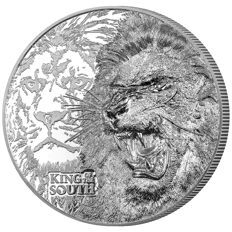
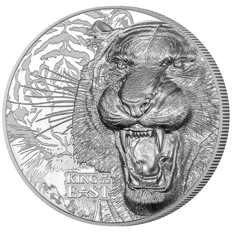
From predators to pachyderms: land animals form the heart of many wildlife series. Elephants, lions, bears and deer are among the most frequently minted designs of all. A wide selection can be found in the category Land Animals, ranging from native species to the kings of the savannah.
Eagles, falcons and native songbirds form their own, very lively collecting field. Detailed feather renderings place special demands on the art of minting and make bird designs a visual discipline of the highest order. Classics such as the Australian wedge-tailed eagle or fine mintings of native birds in gold demonstrate just how finely modern dies can work.
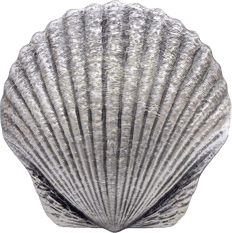
Turtles, sharks, whales and shells bring the fascination of the oceans onto the round coin. Antique-finish mintings and sculptural reliefs make water surfaces and scales appear particularly impressive. The category Sea Creatures gathers these maritime editions, complemented by popular series such as the turtle silver coins.
Dinosaurs and prehistoric creatures appeal to collectors who seek the spectacular. Such designs are often combined with innovative minting techniques. Related theme worlds such as Prehistoric Times expand the concept of nature to include the wildlife of past geological eras.
Many mints issue their nature designs in series continued annually. Such series create a common thread and invite systematic collecting of entire cycles. Some of the most sought-after international series:
Anyone wishing to build complete runs benefits from the fact that many of these series are reliably continued every year. Domestic themes such as the German forest animals also offer a coherent, regionally rooted collecting focus.
Nature designs appear in all common precious metals, each with its own character. The choice depends on budget, collecting goal and desired appearance.
Larger denominations such as 5-ounce issues give the art of minting more room for high-relief depictions, while small formats remain affordable and easy to trade. Savings plan products, which allow a holding to build up over time, are also well suited to the systematic building of a design collection.
With nature coins, minting quality is decisive for both visual impact and collector's value. Several factors come together:
Another key criterion is the mintage. Many nature designs are issued in strictly limited numbers, sometimes only a few hundred pieces. A low mintage increases rarity and thus collector interest, but it is no guarantee of performance. Anyone specifically looking for rarities will find what they need in the category limited editions.
Nature coins can be viewed from two perspectives that are not mutually exclusive. The collector's aspect puts the design, series and minting quality in the foreground: here, beauty, the completeness of a series and personal enthusiasm count. The investment aspect emphasises the precious metal content and value stability, as also offered by classic bullion coins.
Many nature coins lie between these two poles: they carry a collector's premium above the pure material value, resulting from the design, finish and limitation. Anyone focused primarily on value preservation should keep an eye on this premium; anyone collecting out of passion accepts it as the price for a special piece. The bestsellers of the range offer some orientation among particularly sought-after pieces.
Precious metal is valuable, so authenticity and proper storage are correspondingly important. Reputable dealers supply nature coins with clearly documented key data: fineness, weight, diameter and mintage. Kettner Edelmetalle relies on ISO-compliant authenticity verification and insured shipping.
Since nature designs often feature delicate, high-gloss polished surfaces, they are particularly in need of protection. Touching them with bare fingers leaves fingerprints that can hardly be removed. The following have proven effective:
Care notice
Collector's coins should never be polished or cleaned. Any attempt at cleaning leaves microscopic scratches and can permanently diminish collector's value. Nature coins should only ever be handled by the edge, ideally wearing cotton gloves.
Tax treatment depends on the precious metal and is a significant cost factor. Investment gold is exempt from VAT in Germany under §25c UStG, which applies to many gold coins with nature designs, provided they qualify as investment gold. Silver coins, by contrast, are subject to VAT; for imported collector's items, the margin scheme is often applied.
For privately held precious metals, the one-year speculation period also applies: if a piece is sold after more than one year, any profit is generally tax-free. These notes are for information purposes only and do not replace tax advice. Anyone using nature coins primarily as a store of value will find tax-advantaged classics in the gold bullion coins section.
Animals possess a universal symbolic power, strength, freedom, luck or beauty, and are emotionally accessible straight away. Together with the enormous diversity of designs and the tradition of annually issued wildlife series, they are among the most common design groups in coin collecting worldwide.
Silver is the most popular choice thanks to its large design surfaces and fine reliefs, and it is well accessible in terms of price. Gold is suitable for high-quality flagship pieces with an investment aspect, while platinum and palladium are used for rare editions. Copper offers an affordable way to get to know a series.
Proof denotes a high-quality minting with mirror-like fields and matte designs for maximum detail. Antique finish refers to an artificially aged surface that makes sculptural animal designs appear particularly characterful. High relief stands for a raised, three-dimensional relief.
Both are possible. Many nature coins carry a collector's premium above the pure material value, arising from the design, finish and limited mintage. Anyone focused on value preservation should keep an eye on the premium and the precious metal content; anyone collecting out of passion particularly values the design and minting quality.
Best stored in suitable coin capsules that protect the piece in a scratch-proof and airtight manner, and in cassettes or cases for the entire collection. The storage location should be dry and have a stable temperature. Never clean or polish collector's coins, and always handle them only by the edge while wearing gloves.
A low mintage increases rarity and can boost collector interest, but it is no guarantee of performance. What matters is the interplay between mintage, design, condition and demand. Clearly documented key data such as fineness, weight and mintage help with classification.
 Nature
Stay informed with product launches, financial news and exclusive offers. Sign up for our free newsletter today.
By entering your email address and clicking the "Submit" button, you give the following consent: "I agree to be informed by email about new products, financial news and exclusive offers, and therefore consent to the processing of my email address for the purpose of sending the newsletter. I can revoke this consent at any time without giving reasons, with effect for the future. The lawfulness of processing carried out prior to revocation remains unaffected."