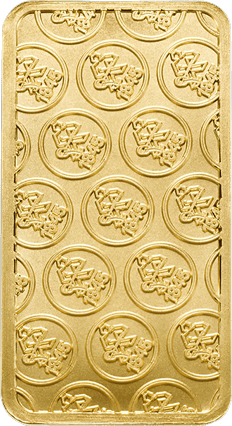
25 x 1g Gold Bar Heimerle und Meule UnityBar
€3,277.05
VAT-free and excl. shipping
Available in 3–4 business days

 More than 310,000
 Over 30 years
 Secure shipping
 Google: 4.9/5


There are coins you count, and there are coins you contemplate. Exclusive, strictly limited and enhanced collector's coins belong to the second group: mintages of sometimes only 50, 99 or 250 pieces, mirrored surfaces in Proof quality, gilding, colouring, high-relief strikes and inlays, meaning foreign materials such as genuine meteorite rock that are visibly set into the coin's surface. Here, the pure material value of gold and silver meets artisanal minting craftsmanship and numismatic scarcity. The following sections cover finishing techniques, minting qualities, mintage levels, certificates, tax questions, storage, and the question of where it truly pays to focus when building a collection.
A classic bullion coin is struck as needed: as long as demand exists, production continues. This is exactly what differs with limited collector's coins. Their mintage is fixed before the first strike and is not resumed once that number has been reached. Once an edition is sold out, it only exists on the secondary market, at prices no longer determined solely by the gold or silver price, but by collector interest, condition and the completeness of the series.
The appeal lies in this dual nature. An enhanced coin is always precious metal with a measurable fineness, and at the same time a small work of art with a design, a history and a mint's signature style. Anyone wishing to get an overview of the entire segment will find the overarching collection in the Kettner Exclusive Products section, while general collector's coins cover the broader numismatic field.
Scarcity alone does not create collector value. What matters is the interplay of several factors: a low, documented mintage, a design with recognition value, a renowned mint, and a series collectors want to follow for years. Editions with a three-digit mintage are noticeably rarer than those with 10,000 pieces, but it is sustained demand that turns rarity into a reliable premium over the metal value.
Enhanced editions are almost always created in a multi-stage process: the blank is struck, then partially gilded, coloured, patinated or fitted with an inlay. Each of these steps is carried out by hand or in small batches, one reason why such editions appear in such limited numbers. A dedicated overview of this is offered in the Enhanced category.
The terms on product labels sound technical at first, but they describe very specific processes. These are the techniques most commonly used in exclusive editions:
Finishing is not limited to coins: enhanced silver bars use comparable processes on a rectangular surface.
For newly struck issues, the grade describes the minting quality, meaning the manufacturing process, not the condition after decades in circulation. The differences are clearly visible to the naked eye.
| Quality | Feature | Typical for |
|---|---|---|
| Proof | mirror-polished field, frosted design surfaces, multiple striking with polished dies | strictly limited editions |
| Reverse Proof | reverse principle: frosted field, mirrored design | anniversary special editions |
| Prooflike | mirror-like shine without the full Proof contrast | intermediate quality |
| Mint State (MS) | even strike lustre, untouched surface | bullion and series issues |
| Antique finish | patinated, deliberately matte surface | design and theme series |
Proof is the most elaborate variant: each blank is processed individually, struck multiple times and must afterwards only be touched while wearing gloves. A fingerprint on the mirrored surface is practically irreversible and permanently reduces the collector value. Anyone specifically looking for particularly scarce editions will find them in the Limited section.

A bullion coin is weighed, a collector's coin is admired, and the best pieces stand up to both.
With exclusive editions, the accompanying materials play a key role in later tradability. A loose piece without numbering and packaging regularly fetches less on the secondary market than a complete set. The following points therefore deserve special attention:
New releases of individual series appear continuously; a look at new coins and bars shows which editions are currently launching. Multi-part issues in shared packaging can be found under limited enhanced sets.
Silver dominates the segment numerically, for a simple reason: the large surface of a troy ounce of silver offers room for colouring, relief and inlays, and the entry price remains moderate. Gold, by contrast, is often issued in exclusive editions at very small weights, such as 0.5 grams or 1/200 oz, so that even elaborate designs remain possible within a manageable price range. Larger gold issues from half an ounce upward, on the other hand, appeal to collectors who deliberately combine material value with minting artistry.
For a direct comparison, it is worth looking at the classic ranges: standard gold coins and silver coins show very clearly where the premium of an enhanced special edition comes from. Considerably rarer, but also found, are special strikes in platinum, a metal whose hardness makes striking technically demanding.
With enhanced editions, the price is inherently above the pure metal value. What is being paid for is additional striking steps, manual work, certification, packaging and the deliberately limited quantity. This premium is not a drawback but the price of the collector's item, though it should be calculated consciously. Anyone wanting primarily to build up weight at the lowest possible additional cost is better served with bullion coins or gold bars. Many collections combine both: a base of standard products, supplemented by a few pieces with character.
Tax treatment does not follow collector status but the metal and the specific design. In Germany, investment gold is exempt from VAT under § 25c UStG, provided the statutory criteria are met, which also applies to many gold collector's coins. Silver coins, by contrast, are subject to VAT; for imported collector's coins, the margin scheme under § 25a UStG is often applied, under which only the trading margin is taxed.
Mind the holding period
Gains from the sale of physical precious metals are tax-free as a private disposal transaction under § 23 EStG after a holding period of more than twelve months. Within that period, a tax-free allowance applies. This information does not replace tax advice; professional advice should be sought for each individual case.
A practical side effect: for mixed collections of VAT-exempt gold and margin-scheme-taxed silver, it is worth keeping clean documentation of purchase receipts. Ranges such as gold bullion coins illustrate the tax difference compared with enhanced silver editions particularly clearly.
With Proof quality and enhanced surfaces, storage is not a minor side issue but decisive for value. Silver reacts with sulphur compounds in the air and tarnishes; colouring can fade under UV light; gilding is mechanically sensitive. Three basic rules have proven effective:
Anyone keeping a growing collection at home should check their insurance situation: home contents policies often only cover valuables up to a maximum amount, sometimes graded according to the type of storage. A bank safe deposit box or a certified safe shifts these limits significantly upward.

The finest collections rarely arise by chance. Usually a decision comes first: to complete a series over several years, to follow a design theme, or to specifically collect editions with particularly low mintages. All three approaches work, they just should not be constantly changed, since a half-started annual cycle is less sought after on the secondary market than a complete series.
Popular entry-level themes include animal motifs, mythological figures and historical personalities. Anyone who prefers to choose visually can look to categories such as Land Animals, Mythical Creatures or Personalities. Classic annual series with a fixed rhythm, such as the issues surrounding the Chinese lunar year in the Lunar category, reward patience, because early years become harder to obtain over time.
And then there is the factor no table can capture: the joy of opening the case. A gilded wolf design in high relief or a meteorite fragment in the coin's surface triggers something that a plain bar position cannot deliver. This is precisely why exclusive editions so often end up among gift ideas: they tell a story that reaches beyond the daily price.
Bullion coins are struck in ongoing production and plain design; their price closely tracks the metal value. Enhanced collector's coins appear in a fixed, limited mintage, usually in Proof quality, often gilded, coloured or fitted with an inlay, so their price additionally includes striking effort and a scarcity premium. A comparison with the range of silver bullion coins quickly illustrates the difference.
There is no fixed definition. In practice, mintages of up to around 1,000 pieces are considered strictly limited, while editions of 50 to 300 pieces count as truly rare. Besides the figure itself, what matters is whether the limitation is bindingly documented and whether the series is sought after on the market.
No. The stated fineness, for example one troy ounce of 999 fine silver, remains unchanged; the finish is applied in addition. When bought back based on pure metal value, however, the finishing is not taken into account; its added value only comes into play through collector demand.
Proof, known in Germany as Polierte Platte, refers to the highest minting quality. Both the blank and the dies are polished, and the coin is struck several times under increased pressure. The result is a mirrored field with frosted design surfaces. Due to the sensitivity of the surface, such pieces are ideally kept permanently in a capsule and case.
Very important. With limited editions, the numbered certificate proves membership of the mintage, and the case protects the surface and is part of the scope of delivery. If both are missing, demand on the secondary market drops noticeably, regardless of the condition of the coin itself.
As a sole entry point, they are less suitable due to the higher premium. Many collectors first build a base of common bullion products and then deliberately supplement it with limited editions. Anyone who prefers a historical approach will find a similar combination of material and history in historical coins.
What counts is weight, diameter, thickness and sound, supplemented by the certificate and striking details. Since enhanced surfaces can make some testing methods more difficult, purchasing through an established dealer is decisive: Kettner Edelmetalle uses an ISO-compliant authenticity verification before goods leave the logistics centre.
 Exclusive - strictly limited & refined collector's coins
Stay informed with product launches, financial news and exclusive offers. Sign up for our free newsletter today.
By entering your email address and clicking the "Submit" button, you give the following consent: "I agree to be informed by email about new products, financial news and exclusive offers, and therefore consent to the processing of my email address for the purpose of sending the newsletter. I can revoke this consent at any time without giving reasons, with effect for the future. The lawfulness of processing carried out prior to revocation remains unaffected."