Only 10 left to order
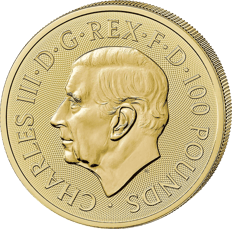
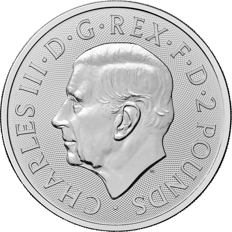
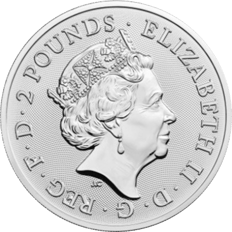
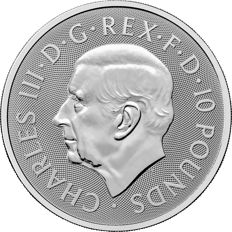
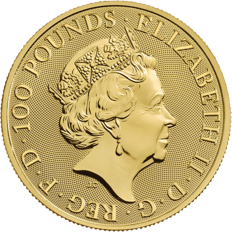
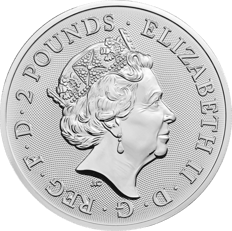
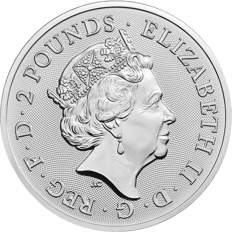
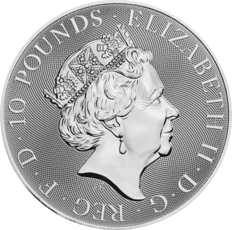
1 oz Silver Heraldic Beasts - Unicorn 2026 (Mintage: 750 | Rose Gold | Proof)
€249.90
incl. VAT and excl. shipping
Available in 2–3 business days

 More than 300,000
 Over 30 years
 Secure shipping
 Google: 4.9/5


British heraldic coins are among the most expressive issues in numismatics: they feature the English lion, the royal coat of arms of Great Britain and the mythical guardian figures of the monarchy. This guide classifies the most important series, explains the symbolism of British heraldry, examines denominations, fineness and authenticity features, and describes the tax specifics of investment gold and investment silver. It is therefore aimed both at collectors of heraldic designs and at investors seeking classic bullion assets.
Heraldry, the study of coats of arms, originated in medieval Europe as a system for identifying knights, noble houses and rulers. In Great Britain, this tradition has survived to this day with particular richness. The royal coat of arms unites the symbols of England, Scotland and Ireland and is rendered in meticulous detail on modern bullion coins such as The Royal Arms series. Such designs combine the material value of the precious metal with centuries-old cultural symbolism.
Most of these coins are issued by the Royal Mint, the British mint with a history spanning more than 1,100 years. Anyone wishing to learn about the full breadth of British minting artistry will find further facets in the British Cult topic area, ranging from the royal family to literature. Heraldic designs form the heraldic centrepiece there and sit thematically alongside series that likewise celebrate the British monarchy.
Coats of arms tell history in condensed form. A lion stands for courage and royal dignity, a unicorn for purity and untamed strength, a griffin for vigilance. This visual language makes heraldic coins appealing to collectors, while the simultaneously high fineness of 999.9 parts per thousand in gold and silver secures their investment character. Historically charged designs of this kind are also found among the collector's coins, which place the cultural background of a coin issue in the foreground.
Within British heraldic coins, several series have become established, each emphasising different aspects of heraldry. They differ in design approach, mintage and target audience.
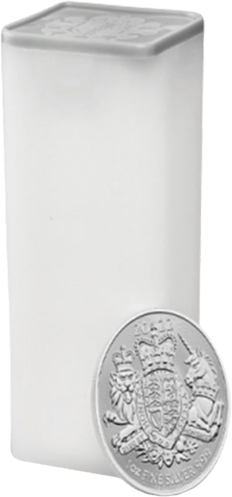
The Royal Arms series depicts the complete royal coat of arms of the United Kingdom, featuring the English lion, the Scottish unicorn, crown and shield. It has been issued annually since the 2019 year of issue and is available in both gold and silver. As an official bullion coin with a high mintage, it is particularly suited to investors seeking a product that is both visually striking and highly liquid. Classic bullion alternatives can be found in the range of Britannia gold coins, which likewise come from the Royal Mint.
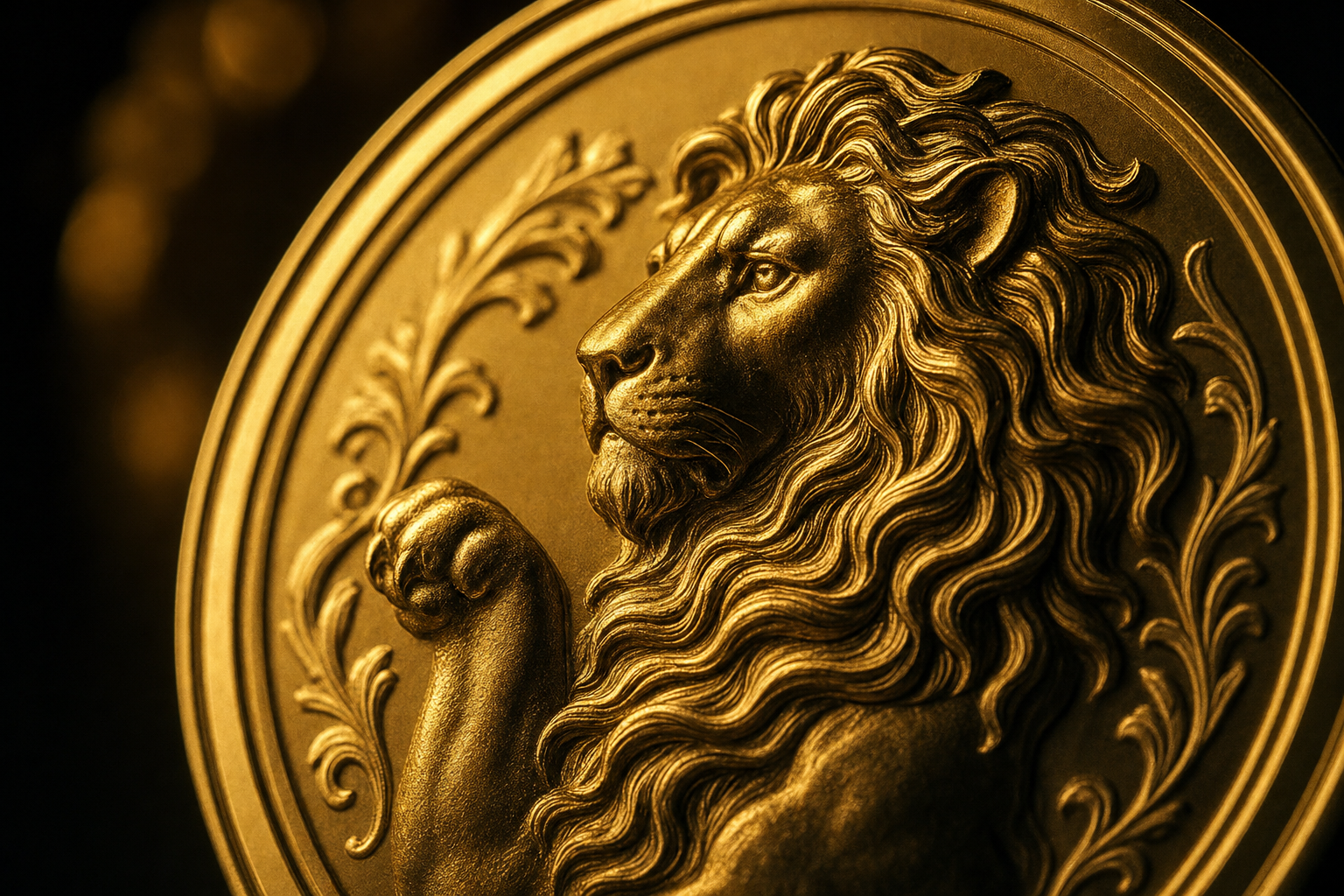
The lion is the central heraldic animal of England. Coins such as British Lion and Lion of England place it at the centre as a standalone design and are available in various weight classes, from small copper issues to heavy silver editions. Those pursuing the lion as a collecting theme will also find heraldic lion depictions in the Queen's Beasts silver series.
The Queen's Beasts series draws on ten heraldic guardian figures that were erected as statues at the coronation of Queen Elizabeth II in 1953, including the lion, unicorn, griffin and dragon. Its successor series, Royal Tudor Beasts, draws on the heraldic animals of the Tudor dynasty. Both series are sought after by collectors and are available in gold and silver. The silver editions are offered in the Queen's Beasts series, the Tudor designs in Tudor Beasts.
Each heraldic animal carries a fixed meaning that has been passed down over centuries. Understanding this symbolism increases the collecting value and makes the designs more tangible.
These figures appear not only on heraldic coins but also shape the design field in the Symbolism section as well as many other heraldic issues in the range of gold coins. The combination of mythical creatures and real state symbolism gives British heraldry its special appeal.
A coat of arms is history compressed: every animal, every colour and every crown follows a rule that has evolved over centuries.
British heraldic coins cover a broad spectrum of weights. The choice of denomination depends on the purpose: small units are flexible to trade, while large units reduce the percentage premium over the material value.
Gold issues typically have a fineness of 999.9/1,000, while silver issues also have a fineness of 999/1,000 or 999.9/1,000. Those wishing to compare heraldic coins with other formats will find the full range among the silver coins and gold coins. For pure material investment, gold bars and silver bars are also available as a lower-premium alternative.
Coins from the Royal Mint are among the most technically sophisticated in the world. Several features are relevant for assessing authenticity.
At Kettner Edelmetalle, every coin undergoes an ISO-compliant authenticity verification before reaching insured shipping. For secure storage after purchase, suitable coin capsules protect the design from scratches and environmental influences.
The tax classification differs considerably between the metals and is an important purchasing consideration.
Tax Note
Investment gold is exempt from VAT in Germany under §25c UStG, provided the coin meets the criteria for investment gold. Silver coins, on the other hand, are subject to VAT, often in the form of margin scheme taxation. After a holding period of more than one year, private capital gains on physical precious metals are generally tax-free (§23 EStG). This is general information and does not replace tax advice.
Because of these differences, investors often opt for gold for larger amounts, while silver remains attractive as a supplementary holding and collecting theme. Broader investment considerations are covered in the bullion coins section, and specifically for wealth protection in the inflation hedge section.
Heraldic coins move between two worlds: high-mintage bullion issues largely follow the price of the metal value, while limited collector's editions can carry a premium for rarity and design. Mintages range from a few hundred pieces for enhanced special editions to 100,000 pieces or more for standard bullion.
For assessment purposes, the following applies: a low mintage alone does not guarantee value performance; demand, condition and design are decisive. Grades of preservation such as Brilliant Uncirculated (BU), Proof and Mint State (MS) significantly influence collector's value. Those specifically seeking limited editions will find them in the rarities section and among the collector's coins. Historical price data should always be viewed as context, without any expectation of returns.
The preservation of value of a heraldic coin depends heavily on proper storage. Silver is prone to tarnishing, while gold barely reacts but can suffer visually from scratches.
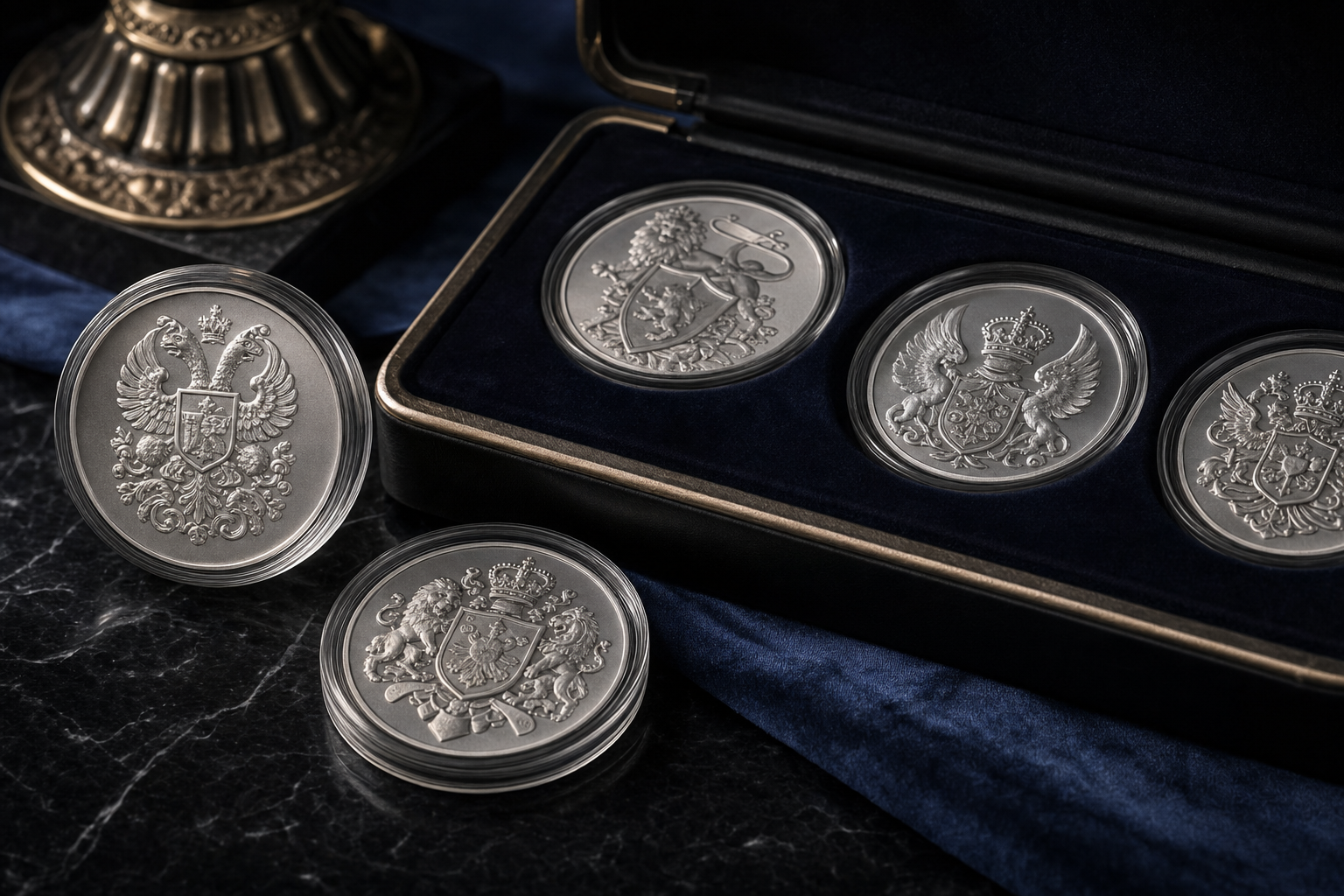
Suitable accessories, from cases to sorting solutions, are gathered in the coin cassettes category, complemented by the entire accessories range. Those wishing to give heraldic coins as a gift will find inspiration under gift ideas.
The Royal Arms series depicts the complete royal coat of arms of the United Kingdom. It unites the English lion, the Scottish unicorn, crown and shield, thereby representing the united monarchy of England, Scotland and Ireland.
Gold coins that meet the statutory criteria for investment gold are exempt from VAT in Germany under §25c UStG. Silver coins, on the other hand, are subject to VAT, often in the form of margin scheme taxation. For a binding assessment, consulting a tax advisor is recommended.
The Queen's Beasts draw on ten heraldic guardian figures that were erected in 1953 for the coronation of Queen Elizabeth II. The Royal Tudor Beasts draw on the heraldic animals of the Tudor dynasty and form the thematic successor series. Both are available in gold and silver.
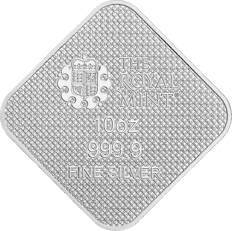
The 1 oz issue is considered the standard and offers good tradability. For a cost-effective entry, smaller fractional units in gold or copper are suitable, while heavier 10 oz silver editions reduce the percentage premium per gram.
Most of these series come from the Royal Mint, the official mint of the United Kingdom with a history of more than a thousand years. It is regarded as one of the most renowned mints in the world for its strike sharpness and high manufacturing quality.
Individual pieces are protected airtight in coin capsules, while entire series can be organised in coin cassettes. Larger holdings belong in a safe or a safe deposit box. A dry environment reduces the tarnishing of silver and preserves the minted lustre.
 British CultBritish Coat of Arms
Stay informed with product launches, financial news and exclusive offers. Sign up for our free newsletter today.
By entering your email address and clicking the "Submit" button, you give the following consent: "I agree to be informed by email about new products, financial news and exclusive offers, and therefore consent to the processing of my email address for the purpose of sending the newsletter. I can revoke this consent at any time without giving reasons, with effect for the future. The lawfulness of processing carried out prior to revocation remains unaffected."