


Sold out

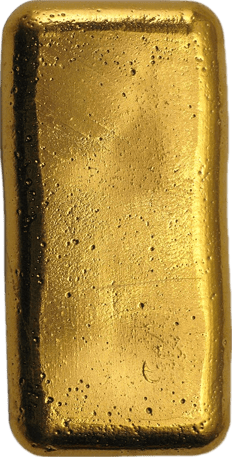
2.5 oz Gold Bar Perth Mint (Cast Bar)
€8,888.98
VAT-free and excl. shipping
currently not available

 More than 310,000
 Over 30 years
 Secure shipping
 Google: 4.9/5
There are gold formats you can hardly bear to put down, and the 2.5 oz gold bar is one of them. It combines the reassuring weight of a medium-heavy bar with the still-manageable divisibility of a clear, well-proportioned gold quantity. With around 77.76 grams of fine gold, it sits precisely between the popular 50-gram format and the 100-gram bar, a size that is offered less frequently and precisely for that reason appeals to collectors and investors alike. This guide examines the origin, production, authenticity features, tax particulars and proper storage of this unusual ounce denomination.
While the gold market generally orients itself around round gram values, the 2.5 oz gold bar follows the Anglo-Saxon troy ounce tradition. One troy ounce (oz) equals 31.1035 grams of pure gold; two and a half of these make up that distinctive format, which ranks among the rarer bar sizes in Germany. It is precisely this rarity that makes it interesting: those who collect beyond the mass-market formats appreciate the ounce logic, which fits seamlessly into a collection of bullion coins.
The bar appeals to investors who want to consolidate a noticeable amount of gold into a single piece without reaching straight for the heavy 250-gram bar. Compared with a pure ounce coin, the bar offers the advantage of a generally lower premium per gram. An overview of all weight classes is provided by the parent category Gold bars, where formats from gram bars to kilo bars can be compared.
The following overview places the 2.5 oz bar within the structure of common gold bar formats and shows why it is considered a bridging format:
| Format | Fine gold (approx.) | Classification |
|---|---|---|
| 1 oz gold bar | 31.10 g | Entry-level classic, easily tradable |
| 50 g gold bar | 50.00 g | Popular gram format |
| 2.5 oz gold bar | 77.76 g | Rare bridging format between 50 and 100 g |
| 100 g gold bar | 100.00 g | Favourable premium, harder to divide |
| 250 g gold bar | 250.00 g | Large format for high investment amounts |
Gold bars are produced in two ways. For a minted bar, a rolled gold strip is stamped into shape and struck under high pressure, resulting in exact edges and a smooth, mirror-like surface. For a cast bar, the classic cast bar, molten gold flows into a mould and solidifies there. It is precisely this casting process that gives the 2.5 oz format its distinctive character.
Cast bars display slight irregularities, a lively surface texture and often an individually stamped serial number. Many investors find this tactile quality more authentic, the gold feels more original, less industrial. Those who prefer the finely minted variant will find it, for instance, in the 1 oz gold bar or the decorative gold CombiBars, which can be broken into individual segments.
A cast bar tells the story of its creation: every grain pattern is a fingerprint of the solidified gold.
Probably the best-known 2.5 oz cast bar comes from the Perth Mint in Western Australia, one of the oldest and most renowned mints in the world. Founded in 1899, it enjoys international trust as a state-owned institution and stands for the highest purity. Its gold bars carry a fineness of 999.9, meaning 24-carat pure investment gold with no significant alloying.
Characteristic features include the stamped weight and fineness details along with the mint's swan logo. Those interested in further products from this mint will find them bundled under the manufacturer Perth Mint Australia. Comparable purity and craftsmanship are also offered by renowned European refineries such as Heraeus, Umicore or Argor-Heraeus, whose bars are among the most widely traded in Europe.
Especially with higher-value denominations, authenticity verification is crucial. A 2.5 oz gold bar can be verified using several characteristics that together provide a reliable picture.
At Kettner Edelmetalle, every bar undergoes an ISO-compliant authenticity verification before being shipped. Those who want to play it safe when reselling should keep the original accessories, suitable coin capsules and coin cassettes protect the bar and its certificate from scratches and moisture.
A significant argument in favour of gold bars is their preferential tax treatment. Investment gold with a fineness of at least 995/1,000 is exempt from VAT in Germany under §25c UStG, so no VAT is charged when purchasing a 2.5 oz bar. This clearly distinguishes gold from silver, which is generally subject to margin scheme taxation on private purchases.
Tax Note
Investment gold is exempt from VAT on purchase. If physical gold is held for longer than one year, any capital gain on sale is tax-free for private individuals under current law. This information does not replace individual tax advice.
Those who use gold specifically for long-term wealth preservation will find further topic pages on inflation hedging and retirement provision, which assess the importance of physical precious metals in uncertain times.
A 2.5 oz gold bar is compact enough to be stored discreetly, yet valuable enough to justify thoughtful storage. There are essentially three options available.
What matters is protecting the gold from mechanical damage and corrosion. Pure gold does not tarnish, but fingerprints and scratches can reduce resale value. An overview of suitable solutions is provided by the accessories category.
In the interplay between bars and coins, each format has its strengths. Bars score with a lower premium per gram, since their production is simpler than that of an elaborately designed coin. Bullion coins such as the Krugerrand or the Maple Leaf are known worldwide for this, are easily sold in small units, and enjoy particular trust as legal tender.
The 2.5 oz gold bar deliberately positions itself in between: it combines more gold than a single ounce coin, yet stays below the threshold of the truly heavy bars. Those who want to remain more flexible combine it with smaller units such as the 1/2 oz gold bar or the 1/4 oz gold bar, allowing only part of the holding to be sold later in a targeted manner. Within the framework of a gold savings plan, too, this medium-weight bar sensibly complements a collection built up over years.
One troy ounce equals 31.1035 grams. A 2.5 oz gold bar therefore contains around 77.76 grams of fine gold at a fineness of 999.9.
A cast bar is created by pouring molten gold into a mould, where it solidifies, producing a lively, slightly irregular surface. A minted bar is punched and struck from a gold strip, resulting in smooth edges and a uniform surface.
Yes. Investment gold with a fineness of at least 995/1,000 is exempt from VAT under §25c UStG. No VAT is therefore charged on the purchase of a 2.5 oz gold bar.
A well-known source for this format is the Australian Perth Mint, which produces 2.5 oz bars as a cast variant. European refineries also offer comparable purity and quality.
Larger bars generally have a lower premium per gram than many small units. However, those who want to stay flexible when reselling sensibly combine this format with smaller bars or bullion coins, so that only partial amounts can be sold off.
It is advisable to store it in a capsule or in its original case, protected from scratches and moisture. For home storage, a bolted, insured safe is suitable; alternatively, a bank safe deposit box offers high security.
 2.5 oz Gold Bars
Stay informed with product launches, financial news and exclusive offers. Sign up for our free newsletter today.
By entering your email address and clicking the “Submit” button, you give the following consent: “I agree to be informed by email about new products, financial news and exclusive offers, and therefore consent to the processing of my email address for the purpose of sending the newsletter. I can revoke this consent at any time without giving reasons, with effect for the future. The lawfulness of processing carried out prior to revocation remains unaffected.”