





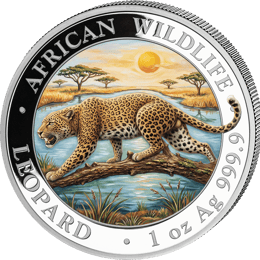


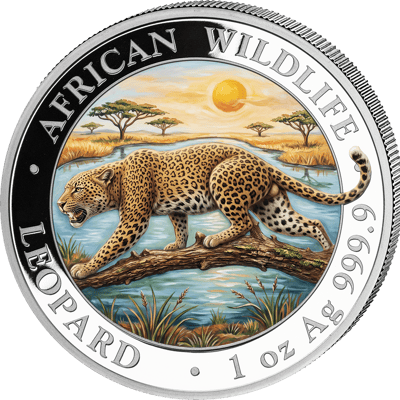


1 oz Silver African Wildlife Leopard 2026 (Mintage: 5,000)











- Full-color design: like an oil painting
- True rarity: six times rarer
- Mint: Bavarian State Mint
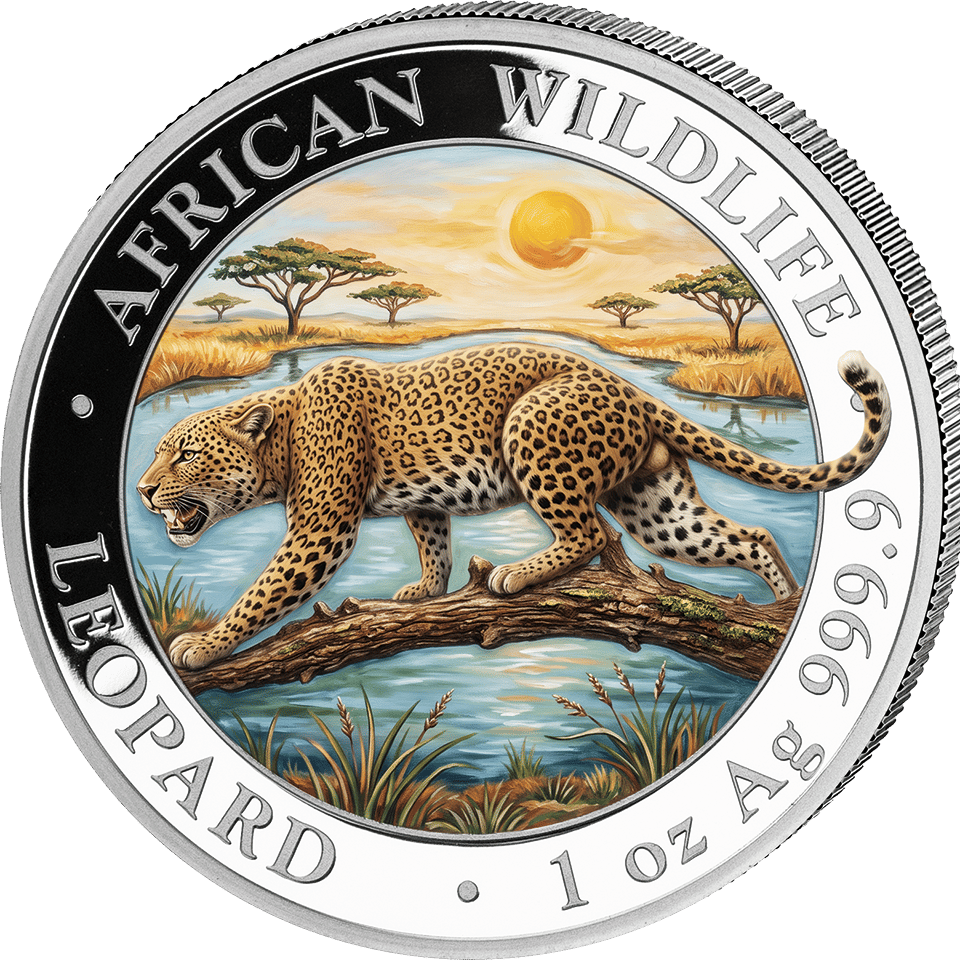
- Full-color designStalking leopard against savanna and glowing evening sun
- True rarityThe standard edition of the same year counts 30,000 pieces
- MintOne of Europe's most traditional mints
 Price alert
  Share
Share
African Wildlife · Somalia 2026
Rosette and spot, two coats for two worlds.
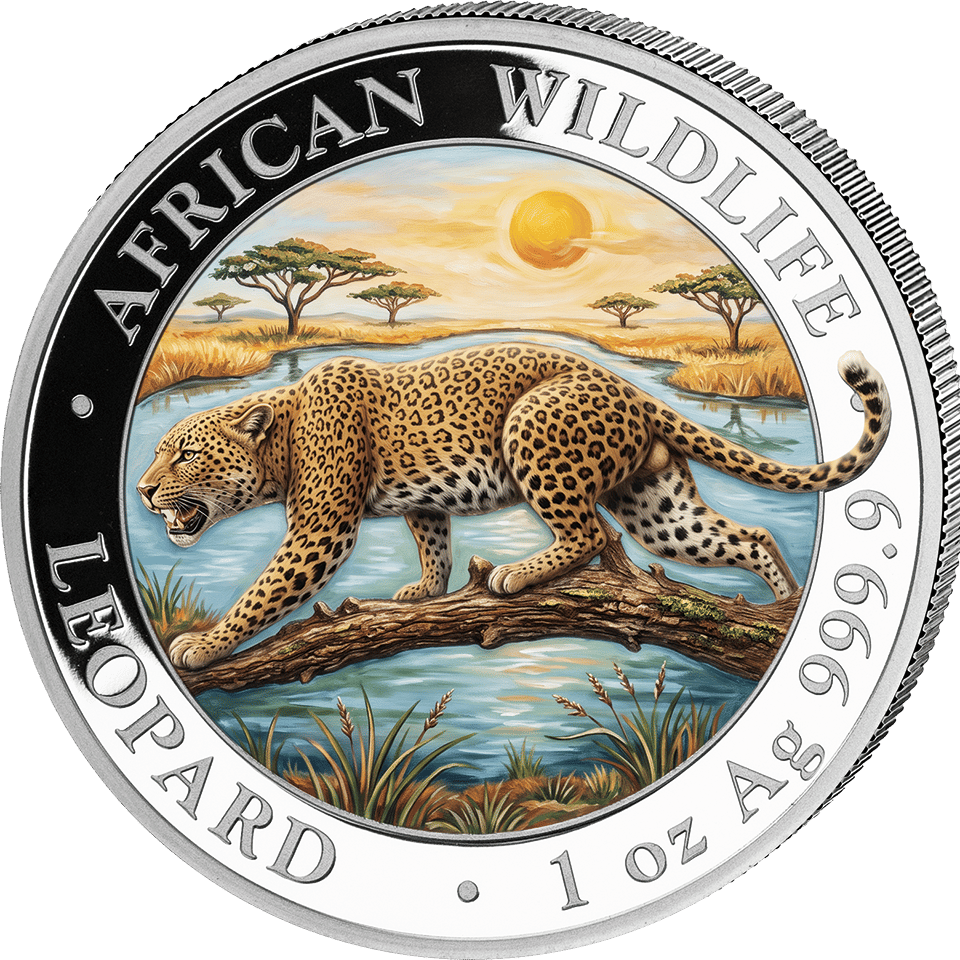

African Wildlife Leopard 2026, 1 ounce silver, picture side
The leopard’s coat suits its life in trees, in the forest and at night. The 2026 coin shows the leopard walking over a fallen tree trunk, acacias behind it.
The leopard
From the desert to the rainforest
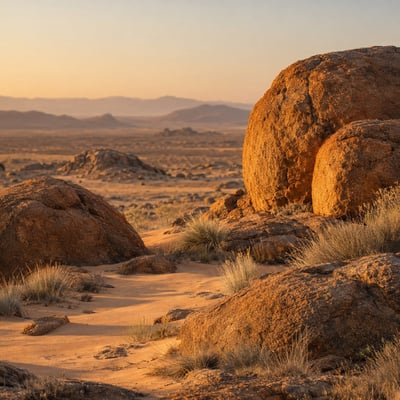 Desert
 Mountain forest
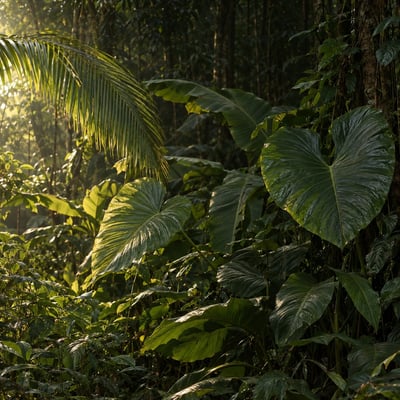 Rainforest
No other big cat is as widespread: leopards live in some 62 countries across Africa and Eurasia, in deserts, savannas, mountains and rainforests.
They prefer rocky ground with dense bush and riverine forest. The leopard climbs well, spends much of its time in trees and is mostly active at night, as a loner.
Its coat carries dark, irregular spots, the rosettes; the base colour ranges from pale yellow in warm, dry regions to reddish orange in dense forests. Instead of purring, it calls with a rough, rasping sound.
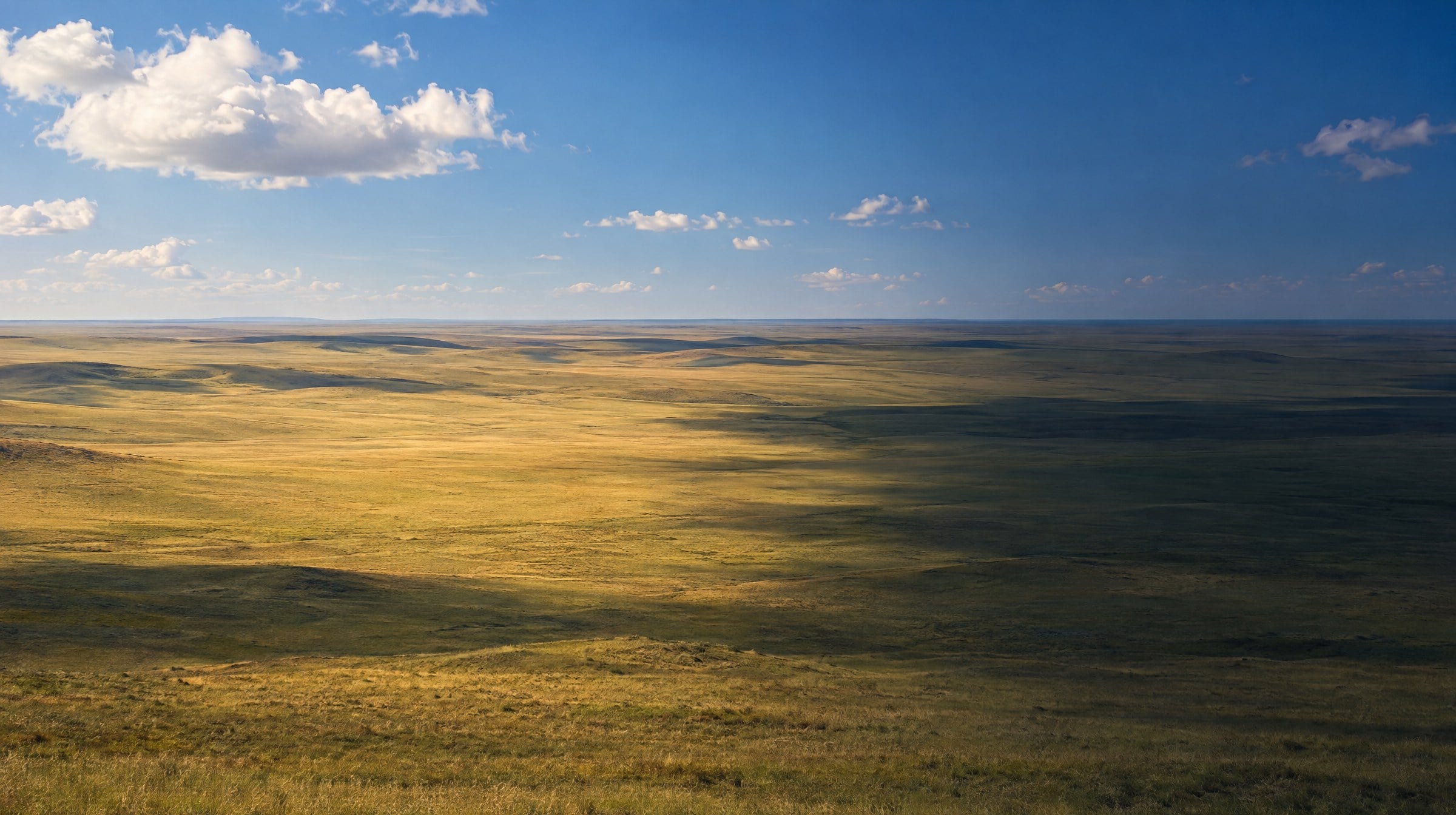
The cheetah
The only one of its genus
Its genus, Acinonyx, has no other living member today. The cheetah needs wide, open land and is mostly active by day, unlike many other cats.
Its coat carries solid, round or oval black spots from 1.9 to 3.8 centimetres; only the throat and belly stay white. The tail ends in four to six black rings.
Cheetahs do not roar; their most common call is a chirp. Females live alone, while males often join up in groups.
Why two patterns
The coat often suits where the cat lives
Rosette
For trees, forest and night.
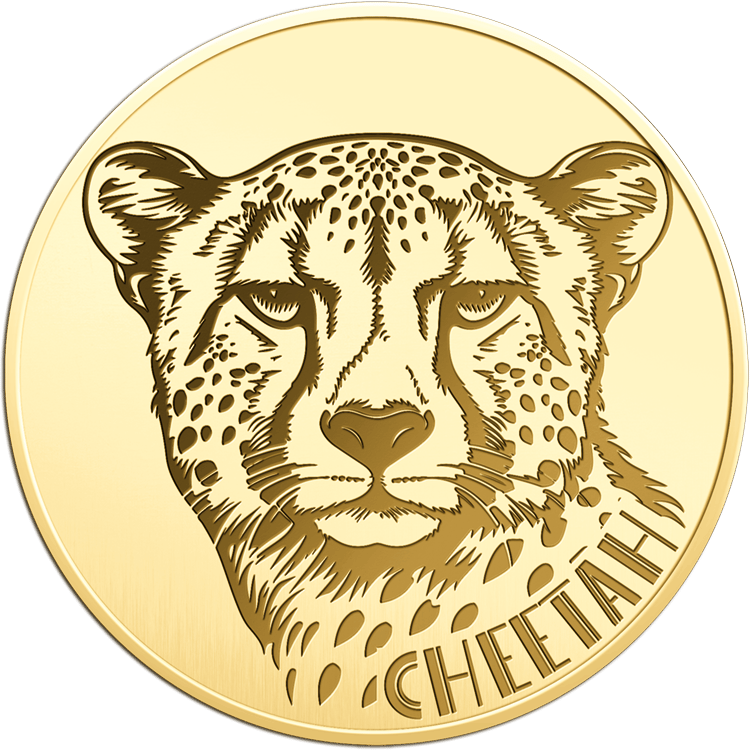
Spot
Black, without a ring.
A study of 35 cat species shows that whether a coat is patterned is linked to the habitat. How intricate and irregular the pattern is also relates to life in trees and to activity at night.
Over the course of evolution, such camouflage adapts comparatively quickly to a way of life. In the grey grass where cheetahs often live, their spots can take up the shadows of the blades and let the animals merge with their surroundings.
Allen et al. 2011, Proceedings of the Royal Society B
Rosette
For trees, forest and night.
Spot
Black, without a ring.
Allen et al. 2011, Proceedings of the Royal Society B
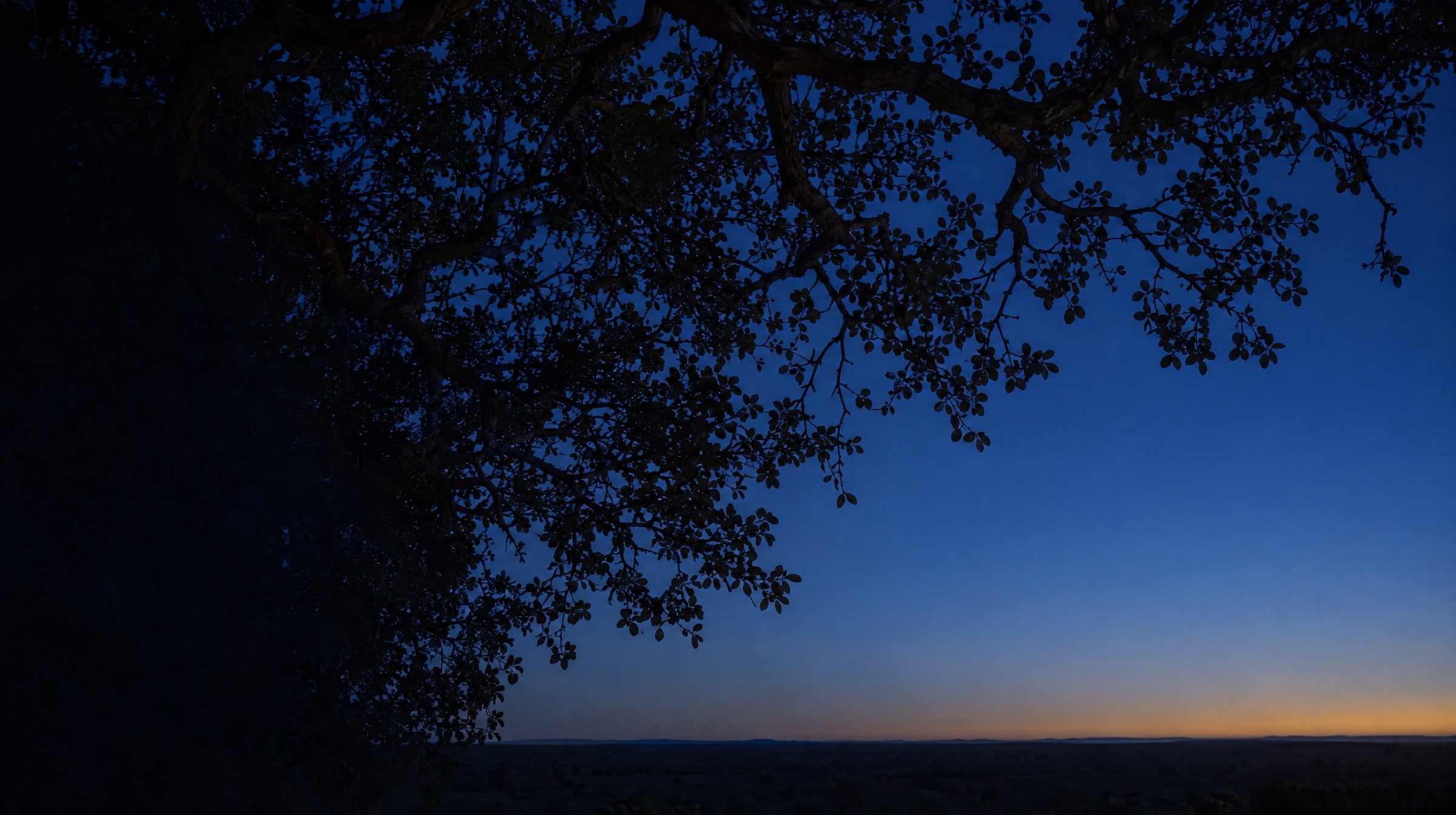
Rare coats
A black panther can be a leopard
Leopards with melanism, that is with almost black fur, are often called black panthers. Black cheetahs, by contrast, are not known.
In the rare king cheetah, the spots merge into blotches and stripes. It is not a species of its own but carries a rare variant of the gene Taqpep, which shapes the variations of the tabby pattern in domestic cats.
Young cheetahs wear a coat of their own as well: a thick, silvery grey mantle along the back, which they shed at about three months of age.
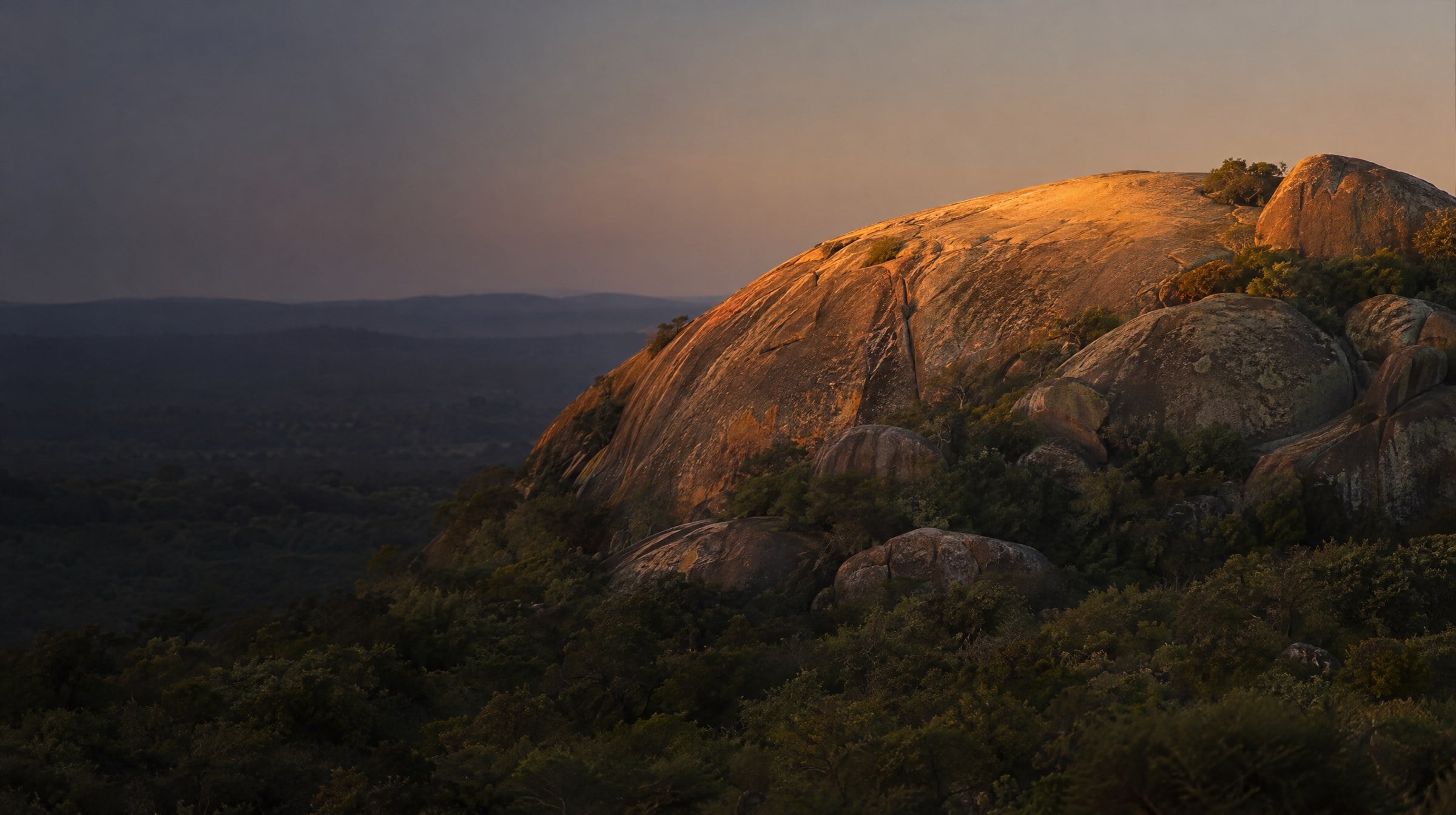
African Wildlife · Somalia
The leopard on both sides
Somalia’s coat of arms of 1956 shows a gold-framed shield held by two leopards standing on spears. So each of these coins shows the leopard on both sides: as the motif of the picture side and twice over as a supporter of the shield on the value side.



Two leopardsTwo leopards hold the arms of Somalia
Leopard and cheetah in more series
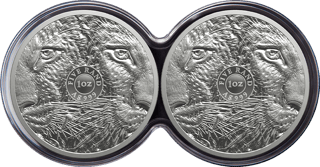 Big FiveTwo coins side by side make one whole face.
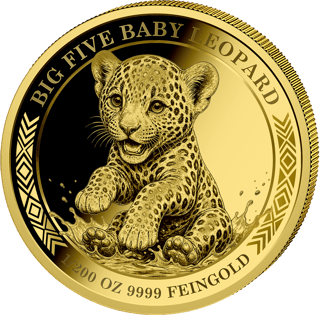 LiberiaLeopards in gold and silver, exclusively for Kettner Edelmetalle.
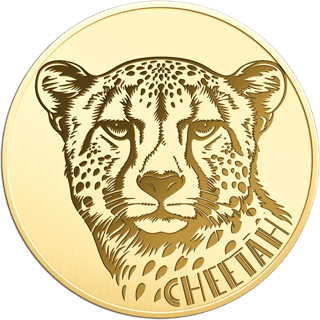 1/1,000 ounce of goldRosette and spot in the same small format.
At a glance
- Series
- African Wildlife
- Metal
- silver
- Weight
- 1 ounce
- Fineness
- 999.9/1,000
- Country of issue
- Somalia
- Face value
- 100 Shillings
- Year
- 2026
- Finish
- coloured
- Mintage
- 5,000 pieces
- Struck in
- Germany
- Packaging
- coin capsule
Leopard and cheetah
Both are listed as vulnerable on the IUCN Red List.
Leopard 2026 in Colour: Africa's Silent Hunter as a Limited Ounce
- Strictly limited: Only 5,000 pieces minted worldwide
- Growth opportunities: High appreciation potential thanks to a limited mintage and a large fan base
- Rarity: Coloured special edition, six times rarer than the standard edition with 30,000 pieces
- Investment goal: Collector's coin whose strict limitation carries higher potential for value appreciation
- Design: A stalking leopard on a tree trunk, in full colour against a savannah backdrop with a low-hanging sun
- Material / Fineness: 1 ounce of pure silver with a fineness of 999.9/1,000
- Manufacturer: Bavarian State Mint, one of Europe's most tradition-rich mints
- Country of origin: Germany
Silent. Patient. Unmistakably spotted. The leopard is the secret ruler of the African wilderness, and on this coin it shows itself in full colour splendour. The coloured 2026 edition from the Silver African Wildlife series is released in a very low mintage of just 5,000 pieces. This clearly sets it apart from classic silver coins, which are often minted in the millions. This 1 ounce silver coin from Somalia is aimed at collectors who want more than pure metal weight: art, rarity, and a series with a great tradition.
A Painting in Precious Metal: The Design Side
Looking at the obverse, one could almost believe they are holding a small oil painting. The leopard strides powerfully across a fallen tree trunk lying above calm water. Its mouth is slightly open, its gaze fixed. Every rosette in the fur is carefully worked out. In the background, the savannah glows in gold and ochre tones, umbrella acacias rise into a warm evening sky where an orange sun sits. Reed stalks in the foreground give the scene depth.
Around the coloured image field runs a high-gloss silver ring bearing the inscriptions "AFRICAN WILDLIFE", "LEOPARD" and "1 oz Ag 999.9". It is precisely this contrast between the polished rim and the colourful image field that makes up the special appeal of this collector's coin.
By the way: The leopard (Panthera pardus) is an excellent climber. It can even descend a trunk head-first and often drags its prey up trees several metres high, out of reach of lions and hyenas. The design featuring the tree trunk alludes precisely to this ability.
The Value Side: The Coat of Arms of the Somali Republic
The reverse shows the coat of arms of the Republic of Somalia: a shield with a five-pointed star, topped by a jagged crown, held by two upright standing leopards. Below, two spears cross, framed by palm fronds and a ribbon. Around the edge are "SOMALI REPUBLIC", the split year "20 – 26" and the face value "100 SHILLINGS". A fine beaded circle completes the design. Due to the face value of 100 Shillings, the coin is legal tender. However, the actual value of the silver it contains is far higher.
From Elephant to Leopard: The History of the Series
The Somalia African Wildlife series has been one of the world's best-known coin programmes for around two decades. It began with the African Wildlife Elephant, which has appeared with a new design every year since 2004. The Somalia Leopard joined in 2018 and quickly built up a loyal following. The series is minted as an agency issue on behalf of the Republic of Somalia in Germany, which ensures consistently high minting quality. Because the leopard design changes every year, each year of issue becomes its own distinct collector's item. Anyone wanting to build the series without gaps can hardly pass up the coloured Leopard ounce 2026.
Which Edition Suits Your Collection?
The 2026 Leopard is available in several variants. A brief overview will help with your choice:
- Standard edition (silver, 1 oz): 30,000 pieces, classic Brilliant Uncirculated finish without colour, ideal for beginners
- Gilded edition (silver, 1 oz): 5,000 pieces, with gold-plated design elements
- Coloured edition (silver, 1 oz): 5,000 pieces, the most colourful variant with the strongest visual impact
- Gold coin (1 oz): 1,000 pieces, the premium variant for gold collectors
The coloured edition naturally carries a higher premium than the standard coin. In return, collectors get something the bullion variant cannot offer: a small work of art with a strict limitation. The colour layer is delicate and should be handled with care. The coin capsule reliably protects it from fingerprints and scratches, so the coin is best kept inside it.
Why Collectors Are Specifically Reaching for This One
A mintage of just 5,000 pieces is quickly snapped up in such a popular series. Add to that the appeal of the design: big cats have always been among the most sought-after themes in animal coins. Anyone adding the Leopard ounce to their collection early secures a year of issue that will never be re-minted in this form once the edition ends.
Silver: A Tradition That Endures
For thousands of years, silver has served as a monetary metal, medium of trade, and symbol of prosperity. It is durable, tradable worldwide, and considerably more affordable than gold. This makes it well suited to building up a collection step by step. At the same time, demand from industry is growing, as electronics, photovoltaics and medical technology can hardly do without the white metal. Many buyers also value physical silver as an inflation hedge and as a building block for personal crisis protection. And last but not least, beautiful coins are a wonderful thing to pass on to the next generation.
One more advantage: under current German law, profits from the sale of silver by private individuals are tax-free if at least one year has passed between purchase and sale.
A rarity with character: colour, design, and the limited mintage of 5,000 pieces make the Leopard 2026 a highlight of any animal coin collection.
Technical Data at a Glance
- Series: African Wildlife Leopard
- Country of issue: Republic of Somalia
- Year of minting: 2026
- Face value: 100 Shilling
- Material: Silver, fineness 999.9/1,000
- Fine weight: 1 oz (31.1 grams)
- Diameter: 39.00 mm
- Mintage: 5,000 pieces
- Finish: coloured
- Condition: Brilliant Uncirculated
- Packaging: coin capsule
- Manufacturer: Bavarian State Mint, Germany
Product depiction may differ from the final product.
