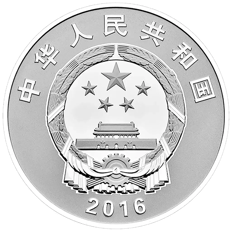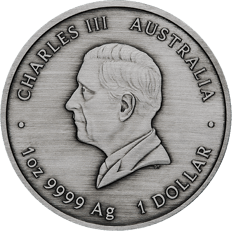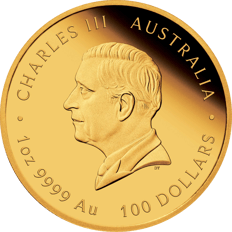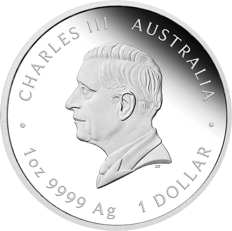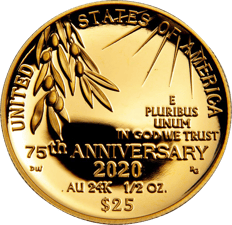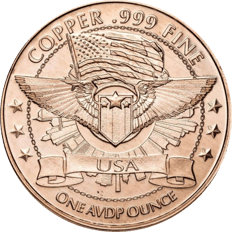
1 oz Copper Coin 20th Anniversary of September 11, 2001
€9.90
incl. VAT and excl. shipping
Available in 2–3 business days

 More than 300,000
 Over 30 years
 Secure shipping
 Google: 4.9/5


Commemorative coins marking historical events capture moments that have shaped society: the end of a world war, the reunification of a divided country, a spectacular astronomical phenomenon or a significant anniversary. Unlike pure bullion coins, these mintages combine the material value of the precious metal with a narrative dimension. This guide explores which events are immortalised on coins, how mintage, minting quality and design affect collector value, what special tax rules apply, and what to look out for when buying.
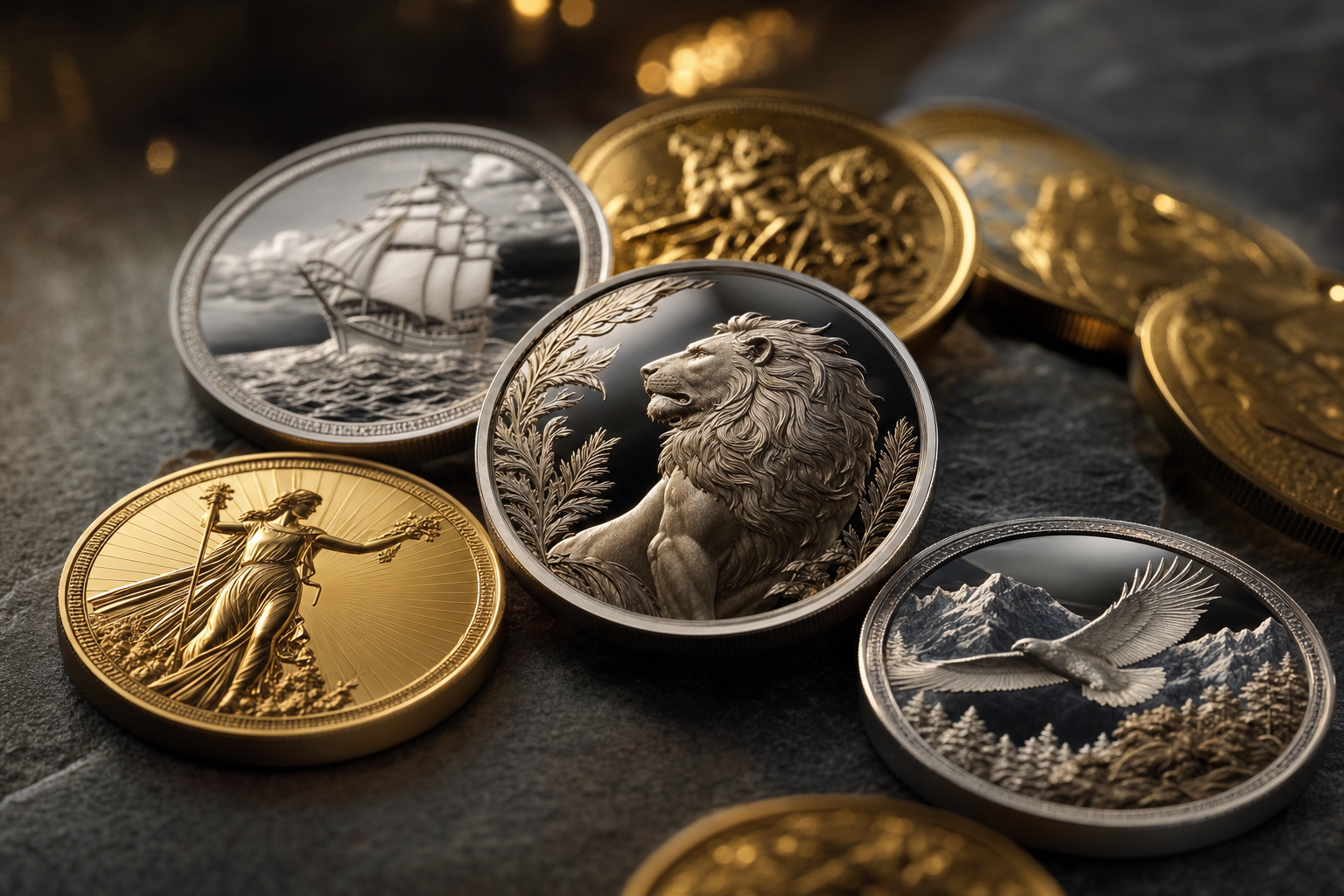
Event commemorative coins form a distinct segment within commemorative coins. Their occasion is always a concrete, datable event, unlike mintages that mark an anniversary connection to institutions or products, or issues that commemorate the death anniversary of significant personalities. The thematic range extends from political turning points and military milestones to cultural and scientific highlights.
A defining characteristic is the limited mintage: many event coins are issued in quantities ranging from a few hundred to several thousand pieces. This limitation, combined with a thematically charged design, makes them appealing to both collectors and investors who value an emotional component alongside the precious metal value.
While bullion coins such as the Krugerrand or the Vienna Philharmonic are minted in the millions and primarily reflect the material value, event coins place the design and the story at the forefront. As a result, the premium over the pure metal value can be higher, requiring a deliberate weighing between collecting and investment considerations. Those seeking pure value preservation will find more suitable products in the bullion coins section.
Historical milestones are among the most common occasions for commemorative mintages. Round-number anniversaries of major events are taken up worldwide by state and private mints and realised in gold, silver or copper.
Anniversaries of the end of the Second World War are among the most widely issued designs internationally. For the 75th and 80th anniversaries, numerous mintages appeared that address 8 May 1945, the so-called V-E Day in Europe, or the end of the war in the Pacific. Such coins combine the commemoration of a momentous historical event with high-quality minting technique, usually in Proof quality and limited mintage.
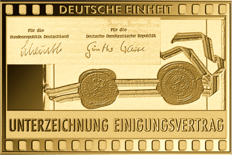
National turning points also find their way onto precious metal. German reunification and the signing of the Unification Treaty are recurring motifs that are often reinterpreted for round-number anniversaries such as the 35th anniversary of reunification. Such mintages fit thematically into the broader field of history and appeal to collectors seeking a connection to recent German history.
Besides the 20th century, even more distant events are also honoured. Mintages marking the 225th anniversary of historical coinage systems such as the Pillar Dollar, or issues for the 20th anniversary of 11 September 2001, show the range: from numismatic tradition to defining moments of recent world history. Designs with historical depth can also be found in the personalities section, when an event is closely linked to an individual.
Not every event is political or military in nature. Astronomical phenomena and cultural highlights form another major design group within this category.
This diversity makes the segment attractive for collectors who follow a particular theme, whether their own region, a hobby or a personally significant date.

An event coin does not preserve the metal, but the memory of a moment that made history.
Event commemorative coins are issued in all common precious metals. The choice of metal significantly influences price, tax treatment and target audience.
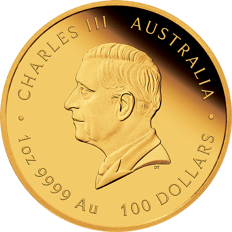
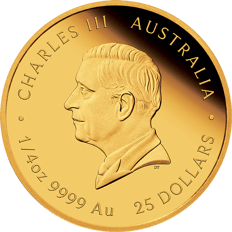
Typical denominations range from the 1/4 oz through the widespread 1 oz to the heavy 2 oz mintage, which is used primarily for coloured or high-relief designs. Smaller units lower the entry barrier, while larger ones offer more surface area for detailed design. For gold issues, the range from the 1/4 oz size to the full troy ounce is also found across many other ranges.
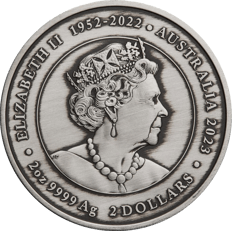
The grade of preservation is a key value criterion. Proof denotes the highest minting quality, with mirror-like fields and a matte relief; for event coins, this is the standard for limited editions. Antique finish creates a deliberately aged look, while Mint State describes the fresh-from-the-mint, evenly lustrous finish of circulation and bullion coins.
Mintage is the most important lever for the scarcity of an event coin. Mintages of 200 to 1,000 pieces are considered strongly limited, while issues of 5,000 or more pieces remain more widely available.
Several factors play together for performance: the size of the mintage, demand for the specific theme, the grade of preservation, and the completeness of the case and certificate of authenticity. A historically significant event with broad emotional resonance can sustain demand for decades. However, concrete return forecasts are not possible: the collector market is subject to its own dynamics that are difficult to predict. Those who focus on value preservation can sensibly combine event coins with classic gold bars or silver bars.
Collector's note
The combination of low mintage, a popular event theme and Proof quality is considered a classic characteristic of sought-after collector's items. The original packaging and certificate should always be kept to preserve value.
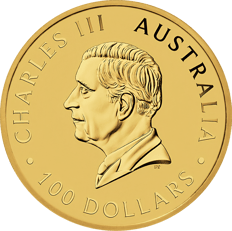
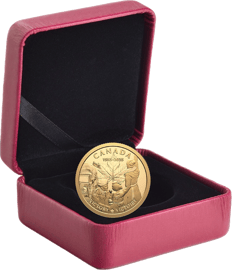
Event commemorative coins come from renowned state and private mints around the world. Among the best known is the Australian Perth Mint, responsible for many event and nature designs, as well as the Royal Canadian Mint and the United States Mint.
Authenticity can be verified via several features: exact weight and diameter according to the official specifications, the edge design, fine minting details in the relief, and the enclosed certificate of authenticity with mintage number. Kettner Edelmetalle checks incoming goods using an ISO-compliant procedure, so that only verified originals are dispatched. Additional expertise on numismatics is offered by the relevant books in the range.
The tax classification depends significantly on the precious metal and should be understood before buying.
Tax note
Investment gold is in Germany generally exempt from VAT pursuant to §25c UStG. Silver, copper and many collector's coins, however, are subject to VAT, often under the margin scheme. After a holding period of more than one year, a private capital gain is generally tax-free. This is general information and does not replace tax advice.
For storage, protection against scratches, moisture and fingerprints is recommended. Sensitive Proof surfaces should never be touched with bare hands. Suitable accessories can be found in the coin capsules section, as well as in the coin cassettes for the orderly storage of entire series. Anyone wishing to securely store larger holdings should combine this with a suitable safe solution and insurance.
Before purchasing, it is worth taking a structured look at the key characteristics:
Collectors who wish to supplement their event collection with classic themes will find numerous further designs in the broad range of collector's coins.
An event coin commemorates a concrete, datable occurrence and is usually issued in a small mintage and high minting quality. Bullion coins such as the Krugerrand are minted in the millions and primarily reflect the pure precious metal value.
The most common occasions include round-number anniversaries of the end of the Second World War, political turning points such as reunification, historical coin anniversaries, as well as natural events like solar eclipses and major sporting events.
Gold coins, as investment gold, are generally exempt from VAT pursuant to §25c UStG. Silver, copper and many collector's coins, however, are subject to VAT, often under the margin scheme. The specific classification depends on the individual product.
The mintage determines the scarcity of a coin. Issues with a few hundred to around 1,000 pieces are considered strongly limited and are particularly sought after by collectors, provided the theme finds broad resonance. However, an increase in value is not guaranteed.
Coins in Proof quality should never be touched with bare fingers and should always be stored in their original capsule or in suitable coin capsules. Dry, temperature-stable storage protects against tarnishing and surface damage.
The decisive factors are the exact weight, the diameter according to the official specification, the sharpness of the minting in the relief, and the enclosed certificate of authenticity with mintage number. Purchasing from verified dealers with documented authenticity verification offers additional security.
Stay informed with product launches, financial news and exclusive offers. Sign up for our free newsletter today.
By entering your email address and clicking the "Submit" button, you give the following consent: "I agree to be informed by email about new products, financial news and exclusive offers, and therefore consent to the processing of my email address for the purpose of sending the newsletter. I can revoke this consent at any time without giving reasons, with effect for the future. The lawfulness of processing carried out prior to revocation remains unaffected."