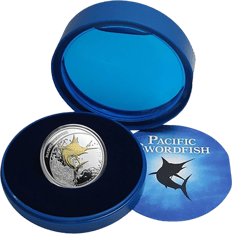
Only 1 left to order
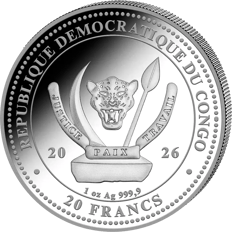
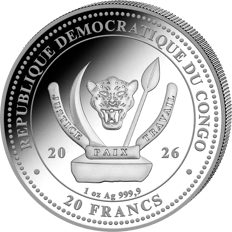
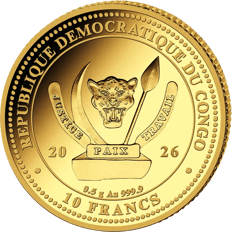
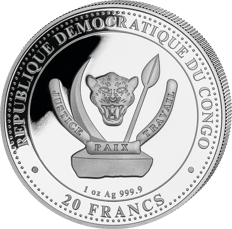
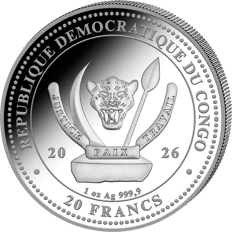
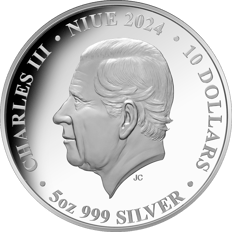
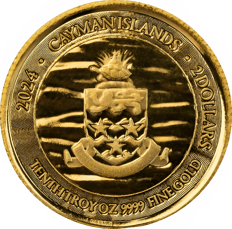
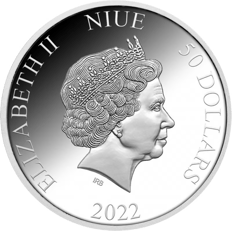
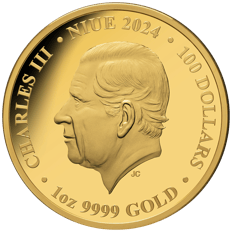
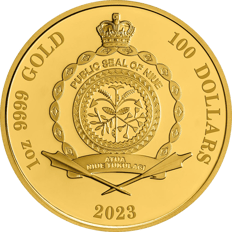
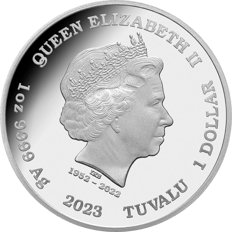
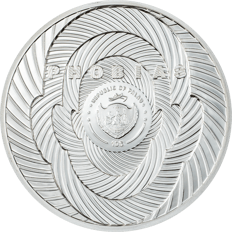
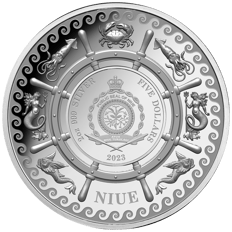
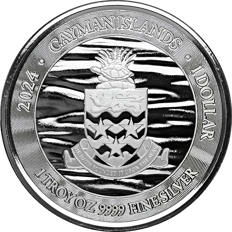
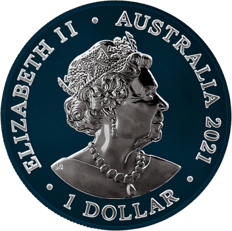
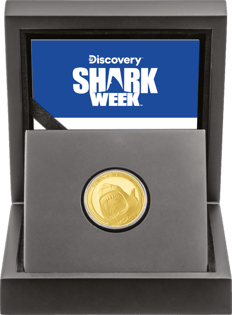
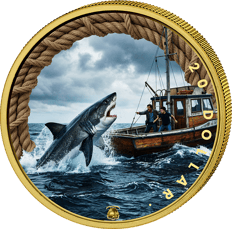
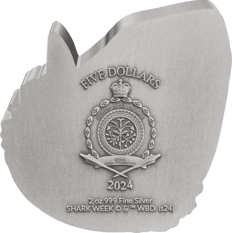
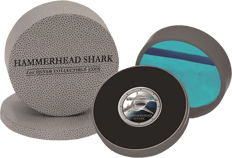
Gold Congo World's Wildlife Shark Set 2026 (Mintage: 300 | Proof)
€10,990.00
VAT-free and excl. shipping
Available in 2–3 business days

 More than 310,000
 Over 30 years
 Secure shipping
 Google: 4.9/5


Predatory fish are among the most striking designs featured on modern collector and bullion coins. Whether it's the silently gliding Great White Shark, the striped Tiger Shark, the lightning-fast Marlin or the prehistoric Megalodon: the ocean's hunters combine captivating natural designs with high-quality minting artistry in silver and gold. This guide highlights the most important designs and series, the available denominations and finishes, questions of mintage and authenticity, as well as the tax particulars of silver and gold coins featuring predatory fish designs.
Hardly any group of animals inspires as much awe as predatory fish. Sharks have remained almost unchanged as part of the marine food chain for over 400 million years and are considered perfectly adapted to life as hunters. It is precisely this blend of elegance, power and a hint of danger that makes predatory fish such a sought-after collecting theme. On modern coins, the dynamism of these animals is captured through elaborate reliefs, sculptural High Relief technique and, in some cases, coloured design.
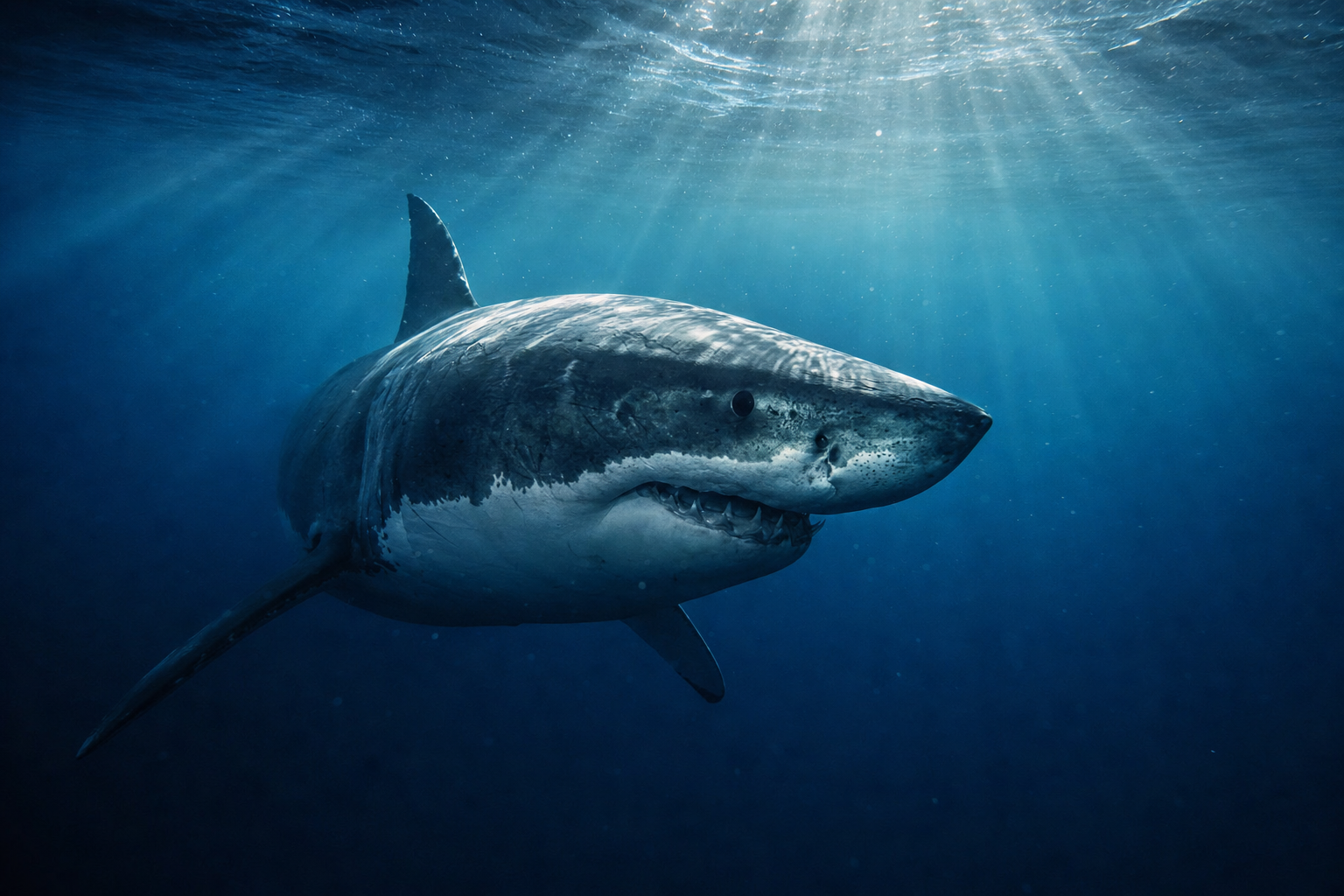
The subject area extends far beyond the classic shark. Alongside the Great White Shark, Tiger Shark and Mako Shark, there are also spearfish such as the Marlin, the Barracuda, as well as extinct giants like the Megalodon. This diversity makes the category a distinct collecting field within the marine animals designs, which combines well with the calmer fish designs and the other marine animals.
Each of the best-known designs in this category has its own particular appeal. Collectors often orient themselves along the lines of the animal species or the respective minting series.
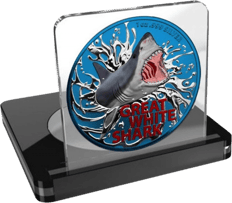
The Great White Shark is the classic among predatory fish designs. As the largest predatory fish in the oceans, it is a symbol of power and is minted both in classic silver form and in heavily limited, partially gilded and coloured variants. Designs with a blue colour gradient, such as in Dark Blue or Space Blue finishes, particularly highlight the deep-sea atmosphere.
The Tiger Shark, with its characteristic striped pattern, and the Shortfin Mako Shark, the fastest shark in the world, often appear in thematic series centred on dangerous marine animals. These editions are frequently struck in Proof quality with coloured design and limited to a small mintage.
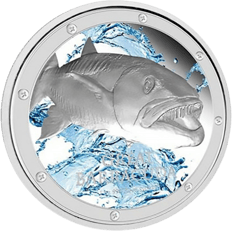
Besides sharks, other ocean hunters have also become established. The Marlin (spearfish) is a recurring design among Caribbean issuing countries, while the Barracuda appears in coloured special editions. These designs extend the collecting field beyond the pure shark theme and pair well with further saltwater designs from the maritime world.
Extinct predators such as the Megalodon combine the predatory fish theme with the fascination of prehistoric times. Such coins can also be found thematically in the Prehistoric Era category and appeal to collectors who want to combine prehistoric creatures with precious metal.
A large proportion of predatory fish coins are issued within thematic series. These series give collectors a clear structure and incentives to coordinate several issues with one another.
Those with a general enthusiasm for animal designs will find related themes among the Wildlife designs from Canada or in the Land Predators category, which continues the hunter theme on land.
Predatory fish coins cover a broad spectrum, from small entry-level formats to heavy kilo editions. The choice of denomination depends on budget and collecting goals.
The majority of issues consist of silver coins. The 1 oz coin is by far the most common format and offers a good entry point. There are also 2 oz editions with High Relief, coloured variants, as well as impressive 5 oz and 1 kg pieces for collectors seeking a showpiece. Colour finishes and partially gilded elements are used particularly often for predatory fish designs.
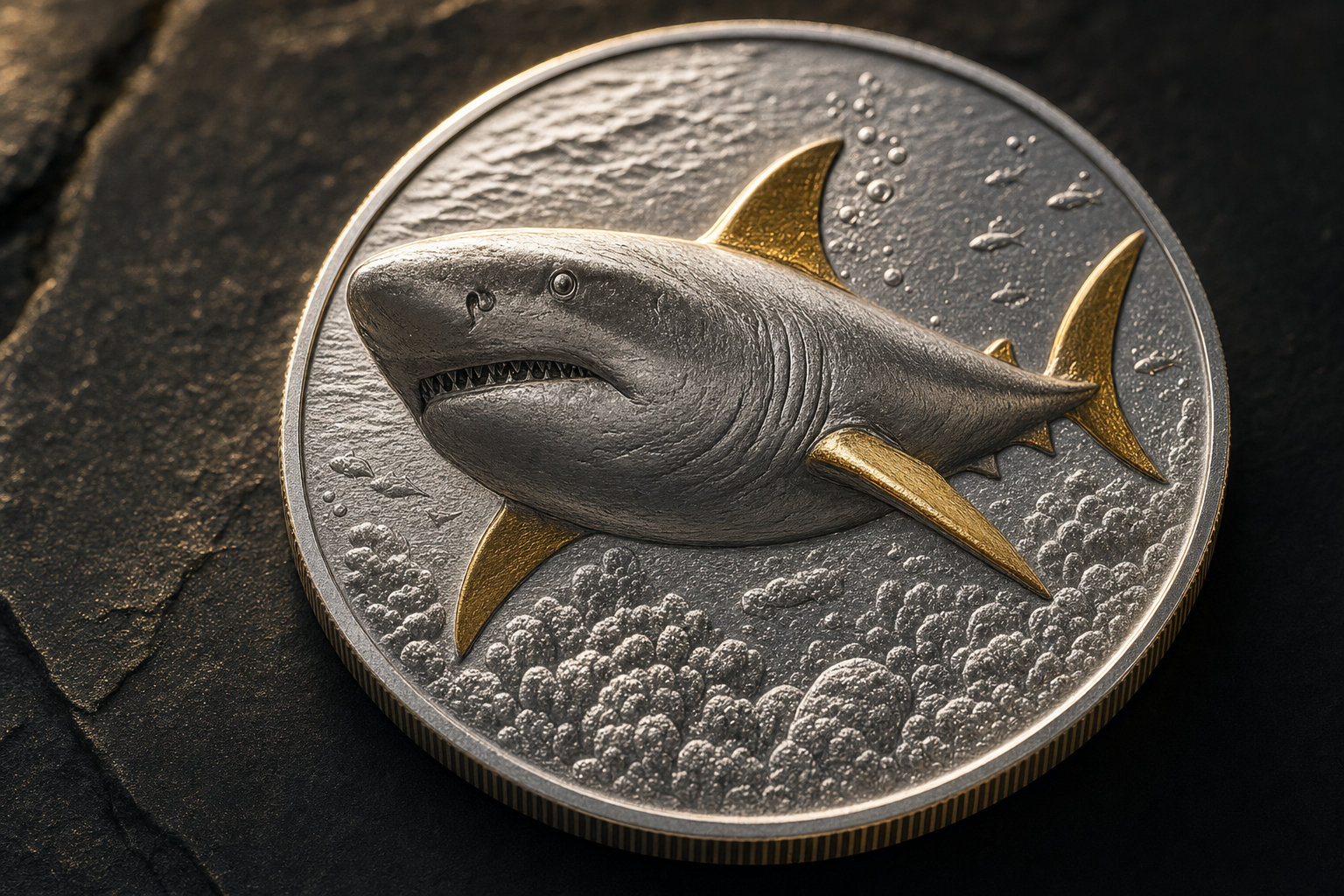
For investors and discerning collectors, there are small gold coins starting from 0.5 grams up to 1 oz and 2 oz editions in Proof quality. Small gold formats such as 0.5 g or 1/10 oz are suitable as an affordable entry point into the theme, while 1 oz and 2 oz coins in very low mintages cater to the collector market. The precious metals portfolio can also be supplemented with gold bars when the pure material value is the main focus.
Note on Mintage and Grade
With predatory fish designs, mintages vary considerably, from mass issues of 30,000 pieces to rarities of just 50 or 100 examples. Small mintages and elaborate grades such as Proof or Antique Finish are driven more by collector interest than by pure metal value.
Especially with limited collector coins, authenticity and condition are decisive. Reputable issues are produced by established mints and delivered with a certificate and an individual certificate number.
Suitable accessories are recommended to protect sensitive surfaces. Coloured and proof pieces should always remain in their original packaging or in suitable coin capsules; for larger collections, coin cassettes and a coin case are recommended. Kettner Edelmetalle checks all products as part of an ISO-compliant authenticity verification before they are shipped with insurance.
Tax treatment differs significantly between the metals and is relevant when purchasing predatory fish coins.
Gold vs. Silver
In Germany, investment gold is exempt from VAT under the regulations governing investment gold. Silver coins, on the other hand, are subject to VAT, often in the form of margin scheme taxation for imported collector coins. After a holding period of more than one year, a private capital gain is tax-free under current law.
Small gold denominations featuring predatory fish designs therefore combine collectible design with the tax advantage of investment gold. Those wishing to prioritise the tax-free material value will find suitable additions in the gold bullion coins and silver bullion coins categories. This information is general in nature and does not replace tax advice.
With predatory fish coins, two worlds collide: the collector aspect with limited, artfully finished designs, and the investment aspect with the pure precious metal value.
A design that captivates keeps a collector engaged longer than any pure return calculation.
For pure wealth building, classic bullion products are often more suitable, as the premium over the metal value is low here, for example the Vienna Philharmonic or Maple Leaf. Those pursuing an animal-themed focus can combine predatory fish with other design worlds, such as birds of prey in the air. Collector-oriented buyers, on the other hand, particularly value the low mintage and elaborate design of ocean predators, which can be in demand on the secondary market. A balanced portfolio can include both aspects.
The Great White Shark is the most sought-after, followed by the Tiger Shark and Mako Shark. Other popular designs include the Marlin, Barracuda and the prehistoric Megalodon. Many issues appear within thematic series such as World's Wildlife or Ocean Five.
Yes. The vast majority are issued as silver coins, usually in 1 oz. However, gold editions also exist, ranging from small 0.5-gram formats to 1 oz and 2 oz pieces in Proof quality with very low mintages.
Partially gilded means that individual areas of the design are finished with an extremely thin layer of gold. Coloured means that parts of the coin have been given colour, for example to highlight the deep sea or the animal's markings. Both finishes enhance the visual effect.
Primarily, these are collector's coins with elaborate design and often small mintages. However, small gold denominations combine the design with the tax advantage of investment gold. For pure wealth building, classic bullion coins with a low premium are usually more suitable.
Sensitive surfaces should not be touched with bare fingers and should be kept in their original packaging or in coin capsules. For larger collections, coin cassettes or a coin case are recommended, as they protect the pieces from scratches and environmental influences.
Mints set the mintage depending on the orientation of the issue. Investment-oriented issues appear in large quantities of several thousand pieces, while finished collector's pieces are deliberately limited to a few hundred or even just a few dozen examples to preserve their exclusivity.
 Sea CreaturesPredatory Fish
Stay informed with product launches, financial news and exclusive offers. Sign up for our free newsletter today.
By entering your email address and clicking the "Submit" button, you give the following consent: "I agree to be informed by email about new products, financial news and exclusive offers, and therefore consent to the processing of my email address for the purpose of sending the newsletter. I can revoke this consent at any time without giving reasons, with effect for the future. The lawfulness of processing carried out prior to revocation remains unaffected."