





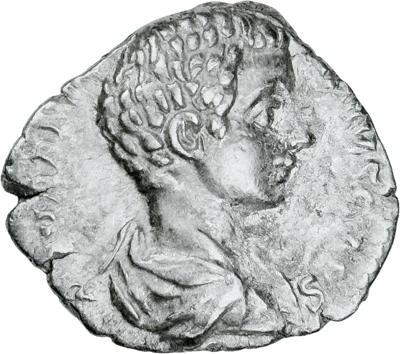

Silver Denarius Emperor Caracalla (196-198 AD | Roman Citizenship)
- Genuine Original: over 1,800 years old
- Handmade: every piece unique
- Gift Idea: for history buffs
- Genuine OriginalNot a replica, but real Roman legal tender
- HandmadeHand-struck, bearing its own traces of history
- Gift IdeaFew gifts are more personal than a piece of antiquity








- Genuine Original: over 1,800 years old
- Handmade: every piece unique
- Gift Idea: for history buffs
 Price alert
 Share

Ancient original · The Roman empire
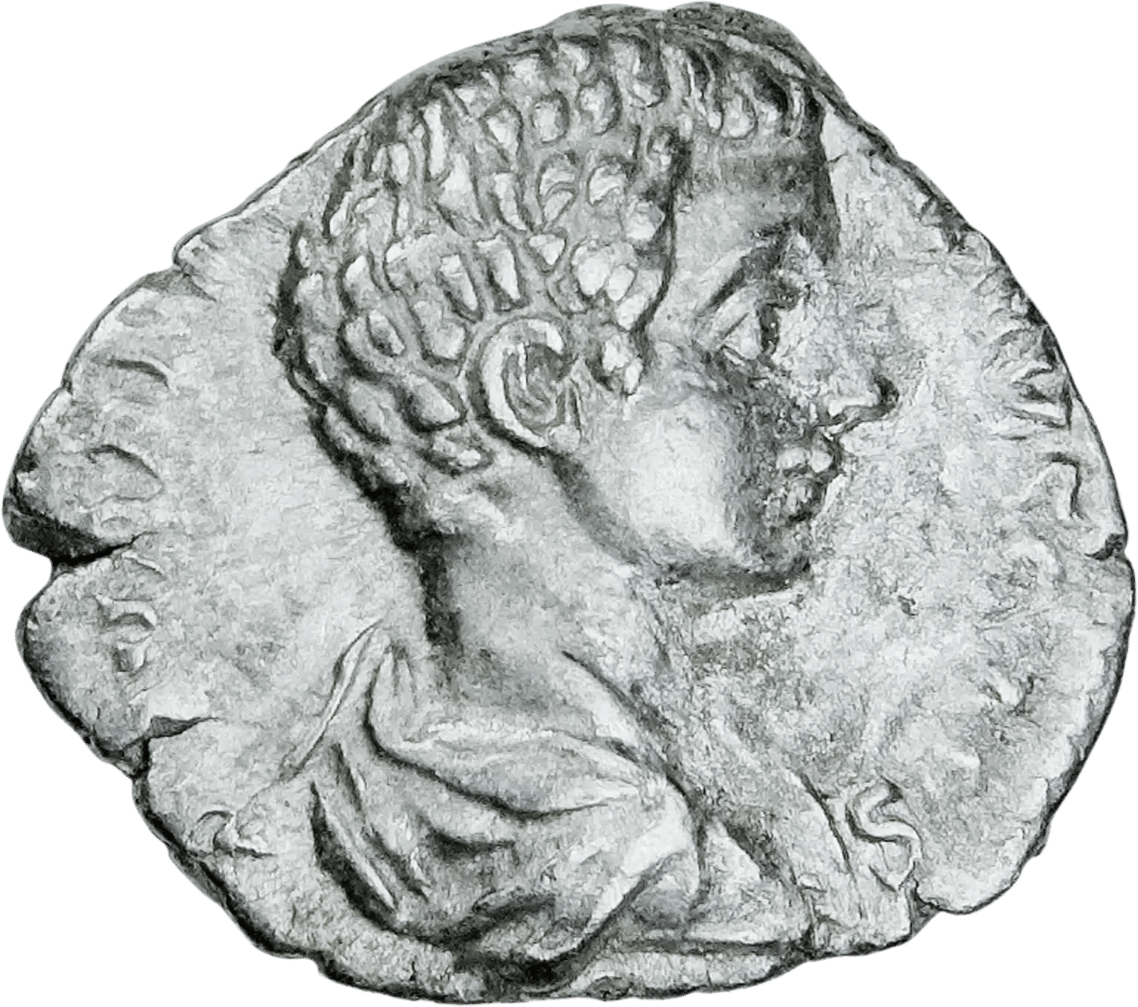
Denarius of CaracallaAbout 1,800 years old.
Caracalla became Caesar in 195 or 196 and Augustus on 28 January 198. In 212 he gave all free inhabitants of the empire full Roman citizenship.
- Ruler
- CaracallaAD 196 to 217
- Diameter
- c. 19 mm
- Weight
- c. 3.2 g
Caracalla became Caesar in 195 or 196 and Augustus on 28 January 198. In 212 he gave all free inhabitants of the empire full Roman citizenship.
- Ruler
- CaracallaAD 196 to 217
- Diameter
- c. 19 mm
- Weight
- c. 3.2 g
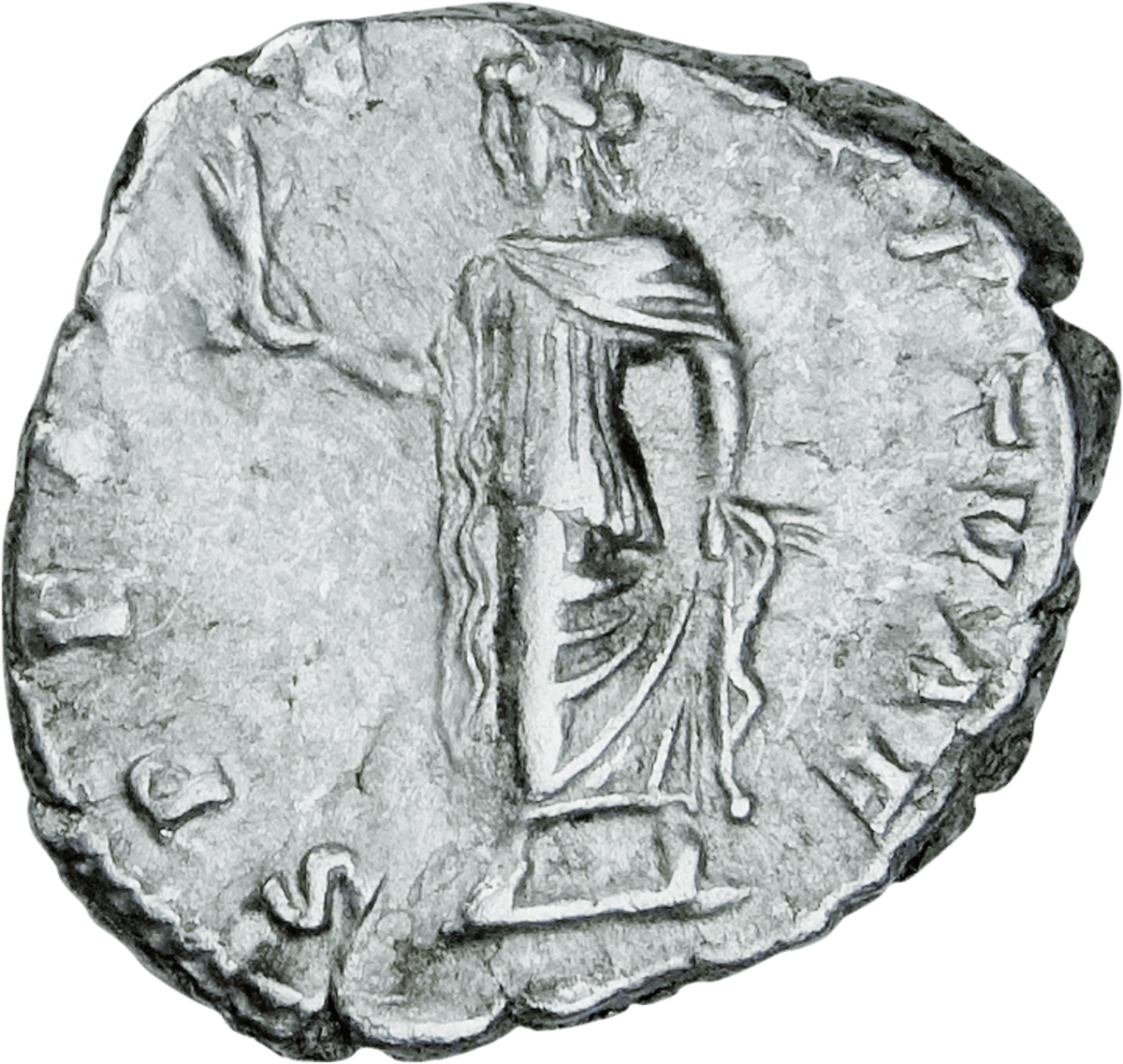
The Roman empire · 27 BC to AD 235
The denarius, the leading currency of the Mediterranean.
For more than two hundred years the denarius was the leading currency of the Mediterranean and paid for the army and administration of an empire reaching from Britain to the Euphrates. Under Augustus a legionary received, according to Tacitus, ten asses a day, about 225 denarii a year. On the reverse the emperor advertised himself: his victories, his piety, his wife.
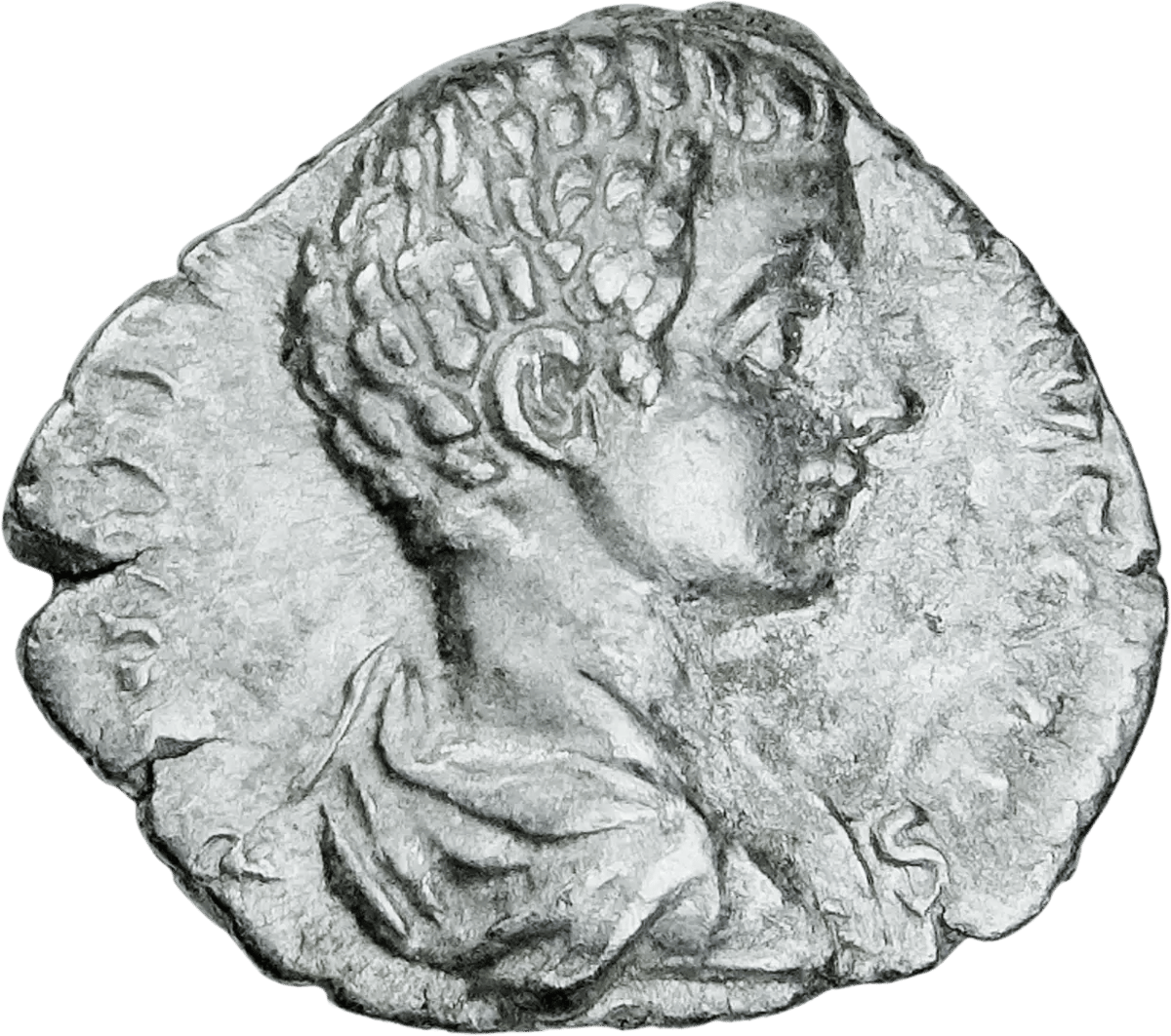
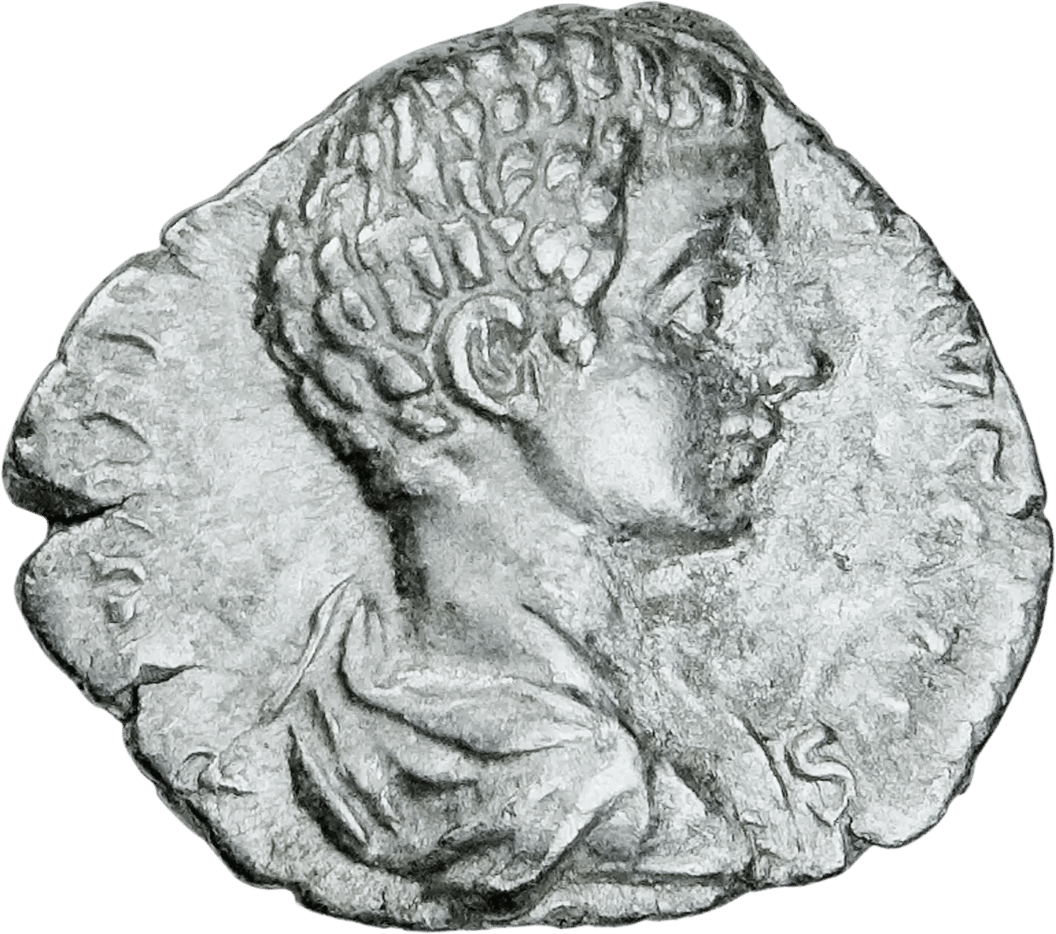
The picture shows an example. The piece you receive may differ in detail. On the reverse of the piece shown walks Spes, hope.
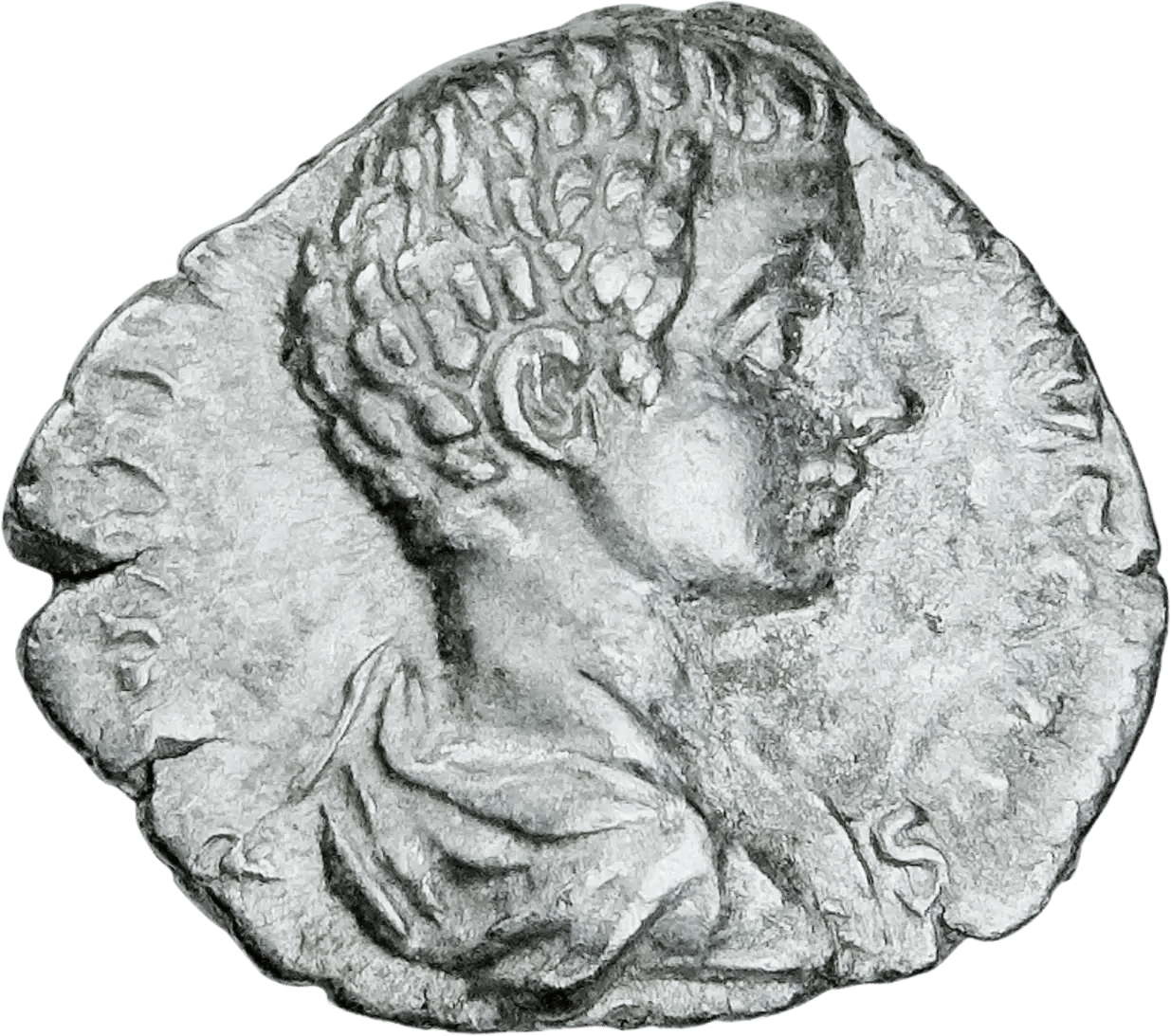
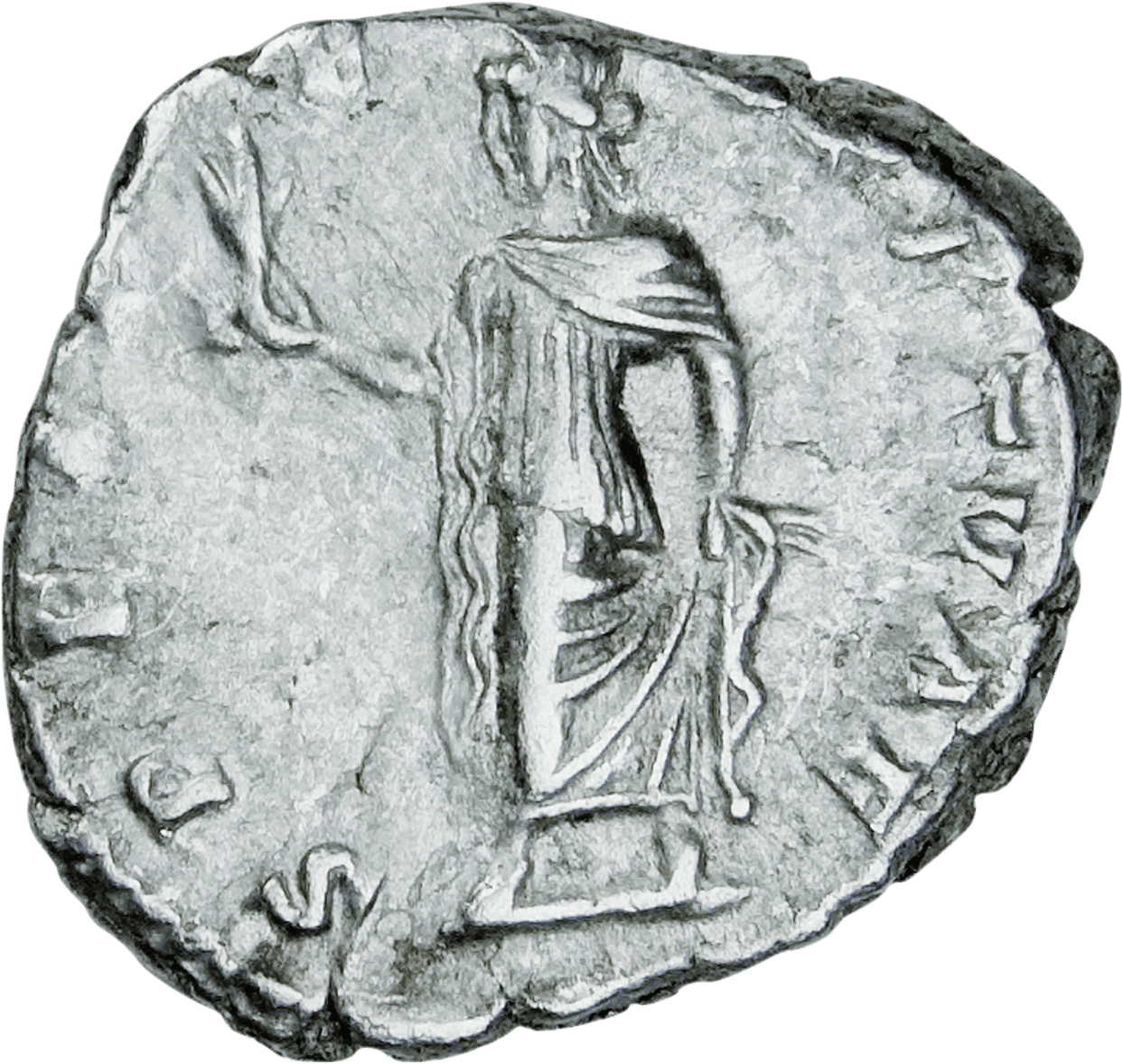
Under the lens
Denarius of Caracalla up close: every detail about 1,800 years old.
At the same scale
Rome and its neighbours: coins side by side
The follis changed its size: about 27 mm early in the tetrarchy, 20 to 24 mm under Maximinus II, 20 mm under Constantine and his sons, 28 mm under Justinian.
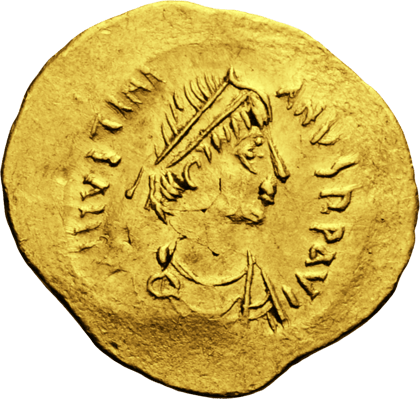 TremissisJustinian I
16 mm
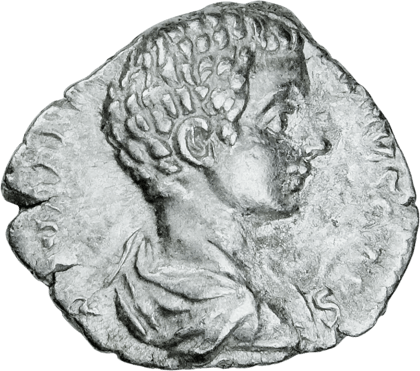 DenariusCaracalla
c. 19 mmthis page
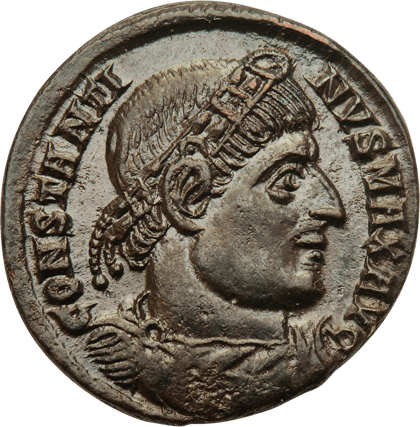 FollisConstantine I
20 mm
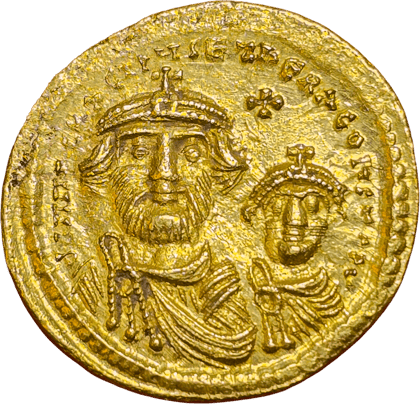 SolidusHeraclius
20 mm
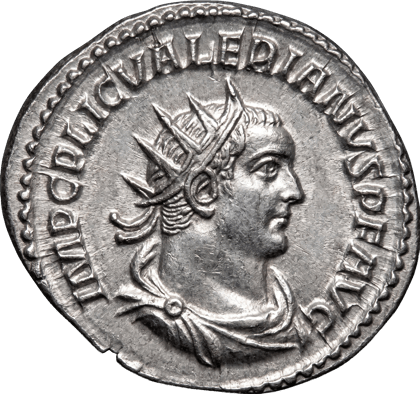 AntoninianusValerian I
21 to 23 mm
 1 eurofor comparison
23.25 mm
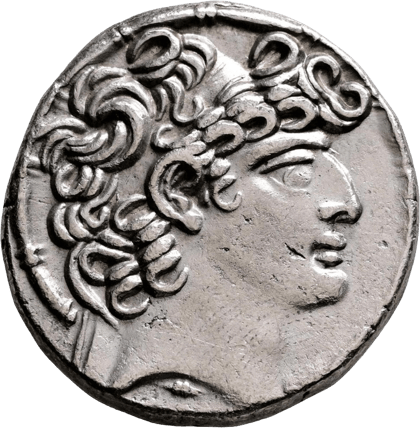 TetradrachmGaius Cassius
c. 27 mm
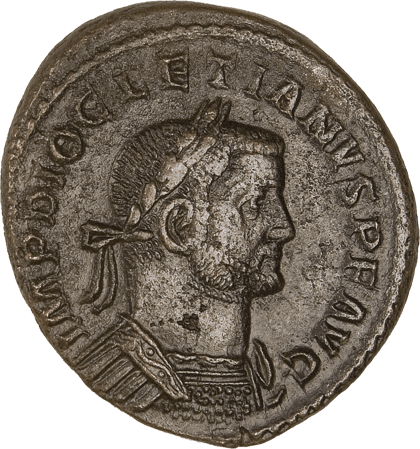 FollisDiocletian
27 mm
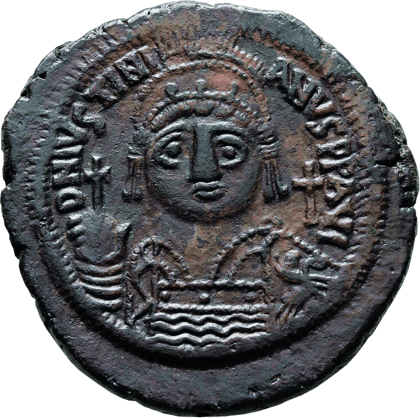 FollisJustinian I
28 mm
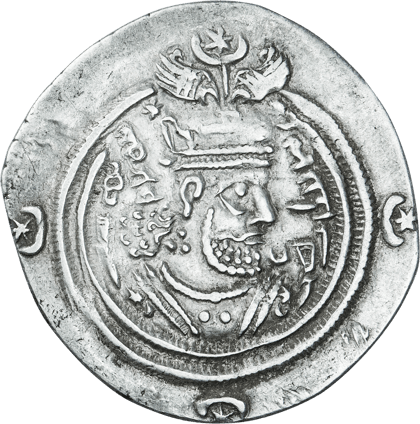 DrachmXusro II
30 mm
Where it belongs
42 originals from about 1,100 years
Each piece stands at the years of its ruler or of its type. The era of this piece is highlighted; choose another one to see its originals.
The Roman empire 27 BC to AD 235 · 9 originals
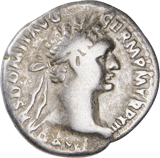 Denarius of DomitianAD 81 to 96
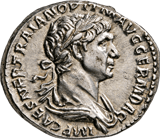 Denarius of TrajanAD 98 to 117
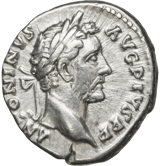 Denarius of Antoninus PiusAD 138 to 161
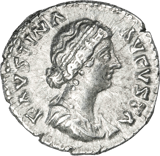 Denarius of Faustina the YoungerAD 147 to 175
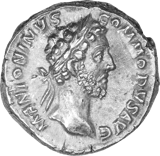 Denarius of CommodusAD 180 to 192
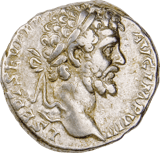 Denarius of Septimius SeverusAD 193 to 211
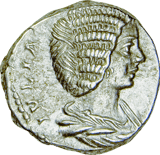 Denarius of Julia DomnaAD 193 to 211
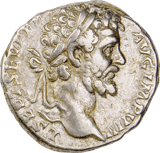
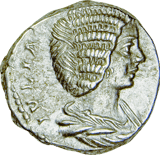 Denarius pair, Severus and Julia DomnaAD 193 to 211
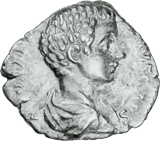 Denarius of CaracallaAD 196 to 217this page

Keeping it
First things first: do not clean it.
The dark layer on bronze and the matte grey on silver are called patina. It has grown over centuries and protects the surface. Polishing it away takes that protection from the piece.
- Hold it by the edgeSkin oil can etch itself permanently into the surface. Take the piece by the rim between thumb and forefinger, over a soft surface.
- Store each piece on its own, and dryKeep each piece on its own in a dry place, in a capsule or an acid-free case. PVC sleeves do not belong there, they attack the surface.
- No agents, no polishing clothNo vinegar, no silver cloth, no ultrasound. According to the Bank of Canada Museum, almost any attempt at cleaning without a conservator leaves damage, mostly from abrasion.

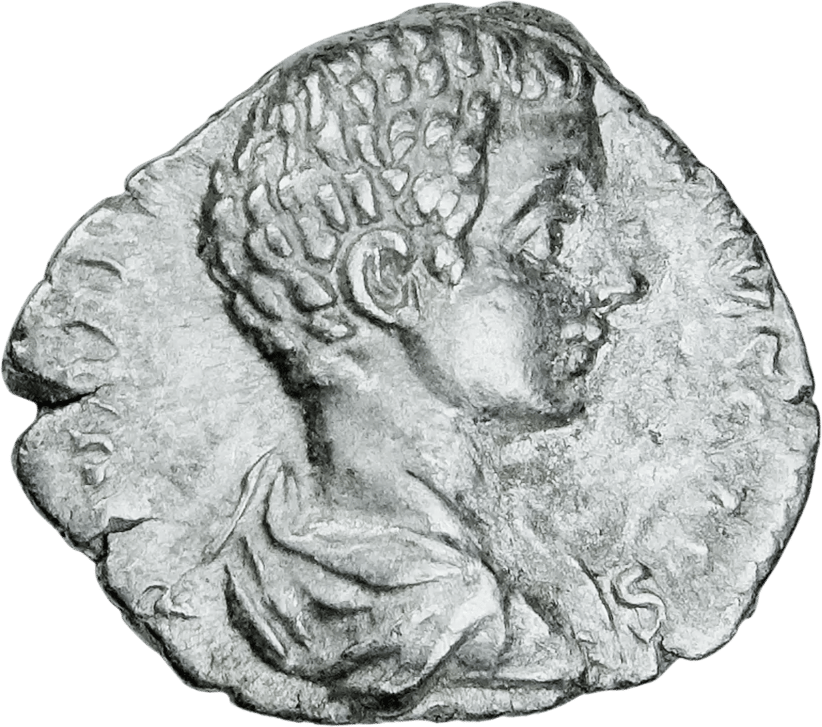
Struck about 1,800 years ago.
Caracalla and his world are long gone. The piece has remained, with the traces of its circulation.
A Piece of World History in Your Hand: The Denarius of Emperor Caracalla
This denarius is genuine ancient silver from the Roman Imperial era. It was minted under a ruler whose name is still linked today to one of the most far-reaching laws of antiquity. With the Constitutio Antoniniana, Emperor Caracalla granted Roman citizenship to almost all free inhabitants of the Empire in 212 AD. Millions of people between Britain and Syria became Romans overnight. Today, more than 1,800 years later, you hold a testimony of this era in your hands. This is no cast copy or replica, but an original means of payment that once passed through the hands of legionaries, merchants and new citizens.
Caracalla: Emperor, Builder, Lawgiver
The future emperor was born on 4 April 188 in Lugdunum, present-day Lyon. He was the son of Septimius Severus and Julia Domna. His official imperial name was Marcus Aurelius Severus Antoninus. He owes the nickname "Caracalla" to a Gallic hooded cloak he liked to wear. Even as a child, he was raised to Caesar in 195/196, and shortly after to Augustus and co-ruler alongside his father. This is why catalogues often give the dates Caracalla 198–217. After his father's death in February 211, he initially shared power with his brother Geta. That same year, he had him murdered and from then on ruled alone over the Roman Empire. In April 217, he himself was killed in Mesopotamia while preparing a campaign against the Parthians.
His reign was harsh and shaped by military matters. Nevertheless, he left a lasting legacy:
- Constitutio Antoniniana (212 AD): This edict extended Roman citizenship to nearly all free inhabitants of the Empire. The surviving papyrus is now part of UNESCO's Memory of the World heritage.
- Baths of Caracalla: At the time, this was the largest bathing complex in Rome. Its massive ruins remain impressive to this day.
- Coinage Reform of 214/215: Caracalla introduced the Antoninianus. This new silver coin was valued at two denarii and shaped the monetary system of the 3rd century.
The Denarius: Backbone of the Roman Monetary System
For centuries, the denarius, Latin for Denarius, was Rome's most important silver coin. It was used to pay soldiers' wages, taxes and goods. Under Caracalla, it stood at a turning point in history. After the introduction of the Antoninianus, many Romans hoarded the familiar denarii, as numerous hoard finds show. Collectors today owe it to these hoards that original denarii from the Imperial era are still available.
The obverse shows the emperor's portrait with a Latin inscription. Depending on his stage of life, Caracalla appears either as a youthful Caesar or as a bearded ruler. The reverse depicts deities and personifications. These include Spes, the personification of hope, holding a flower, Pietas at an altar, or Mars with spear and trophy. This variety makes the Caracalla denarius a rewarding field for collectors, as each reverse variant carries its own message of imperial propaganda. Minting took place mainly in the capital, Rome, as well as in mints in the eastern part of the Empire.
Technical Data at a Glance
- Denomination: Denarius
- Material: Silver (fineness: not specified)
- Gross weight: 3.2 g (ancient hand-struck coin, slight variations possible)
- Diameter: approx. 19 mm
- Year of issue, mint and reverse design: varies
- Origin: Roman Empire, Roman Imperial era
- Condition: circulated (used), degree of preservation varies
- Series: History
Condition: Traces That Tell a Story
These pieces are circulated means of payment and bear corresponding traces: darker patina, individual centring, nicks, signs of wear and, in places, weaker legend areas. This is exactly what makes them appealing. Since the year of issue, mint and reverse design variant can differ, the coin you receive will differ from the image shown – you are getting an original, not a mass-produced item.
Please understand that the image in the shop serves as an example and may differ individually from the delivered item in terms of appearance and condition due to historical circumstances. Each of these coins was struck by hand.
Ancient Denarius or Modern Bullion Coin?
Modern silver coins such as the Maple Leaf or Vienna Philharmonic have a precisely defined fine weight and are traded closely in line with the silver price. The Caracalla denarius belongs to a different category. Its value derives from age, rarity, design and history. It is a collector's item with a core of precious metal.
- Advantages: You receive an original piece from the Roman Imperial era and a genuine one-of-a-kind item. The coin has a compelling history, makes an excellent gift and is ideal for anyone starting out in ancient numismatics.
- Good to know: The silver content is not fixed. Anyone buying primarily for silver weight is therefore best advised to supplement the denarius with modern bullion coins or bars.
Even among imperial denarii, Caracalla has something special to offer. Denarii of Hadrian or Septimius Severus are also popular. However, Caracalla scores with a unique historical hook: citizenship for the entire Empire.
Silver: The Monetary Metal With Tradition
Even the Romans relied on silver to preserve value. Little has changed in this regard to this day. Unlike paper money, the precious metal has value in and of itself and does not depend on a government's promise. On top of this comes growing industrial demand, for example in electronics, solar technology and medical technology. At the same time, supply is limited. Many investors therefore value silver as an inflation hedge and as tangible crisis protection in times of political and economic uncertainty.
Currencies come and go. The Roman denarius itself is the best proof of this. The metal from which it was struck, however, remains sought after to this day.
Another advantage: in Germany, profits from the sale of physical silver are generally tax-free after a holding period of at least one year. Silver is highly durable and, compared to gold, affordable. It is also wonderfully suited to passing on values and stories to the next generation.
Who Is This Caracalla Denarius Suited For?
For collectors of Roman coins, it is a must-have piece from the era of the Severan dynasty. History enthusiasts get a genuine object from the time of the Constitutio Antoniniana. And anyone looking for an unusual gift will find hardly anything more personal than a coin over 1,800 years old. Order your original silver denarius of Emperor Caracalla now from Kettner Edelmetalle. We deliver it via secure, insured shipping directly to your home.
Product image may differ from the actual product.
