





Ancient Egypt in Gold — Pharaoh Collection 2026
- Great Rulers: Nefertiti to Ramses
- Limited: 1,000 and 2,000 pieces
- Proof: almost three-dimensional
- Great RulersTutankhamun, Cleopatra, Hatshepsut and the Great Pyramid
- LimitedThe Liberia editions are issued in 1,000 and 2,000 pieces
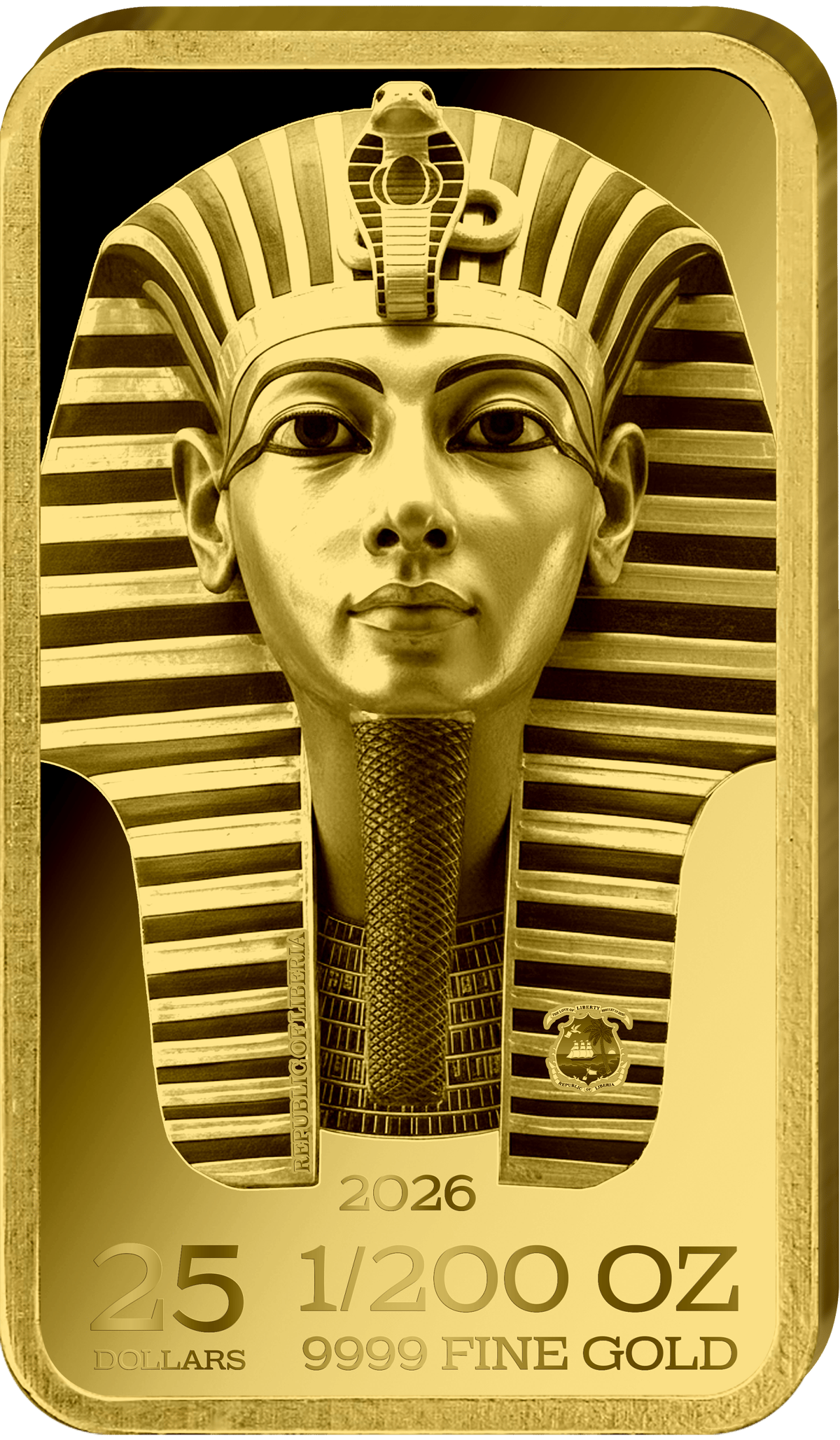
- ProofThe death mask shines against a deep black mirror field





By submitting your order you accept our Terms & Conditions and confirm the Right of withdrawal.
- Great Rulers: Nefertiti to Ramses
- Limited: 1,000 and 2,000 pieces
- Proof: almost three-dimensional
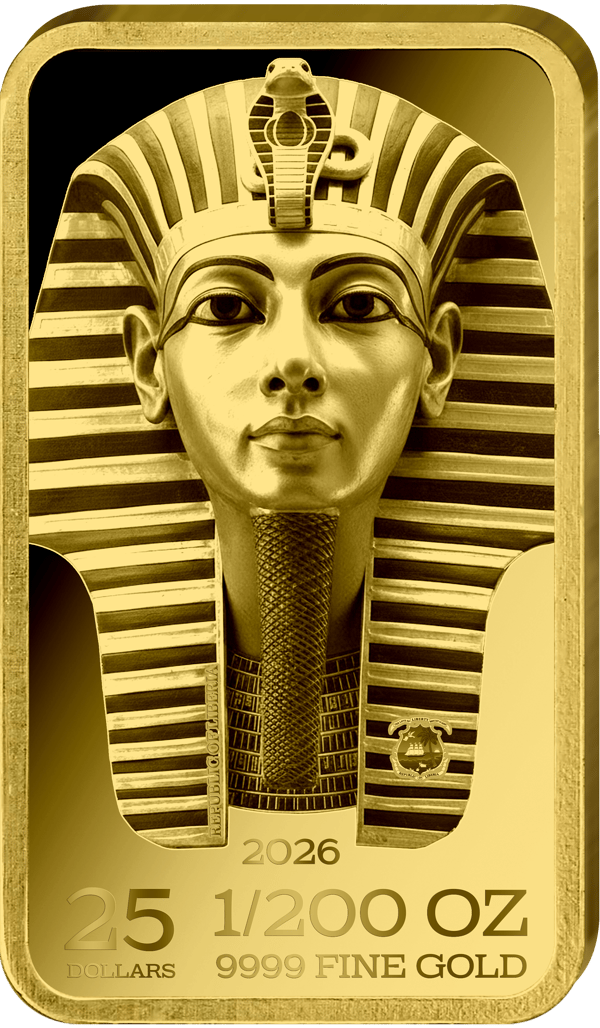 1 ×1/200 oz Gold Minted Bar Egypt Tutankhamun Death Mask 2026 (Mintage: 1,000 | Proof)
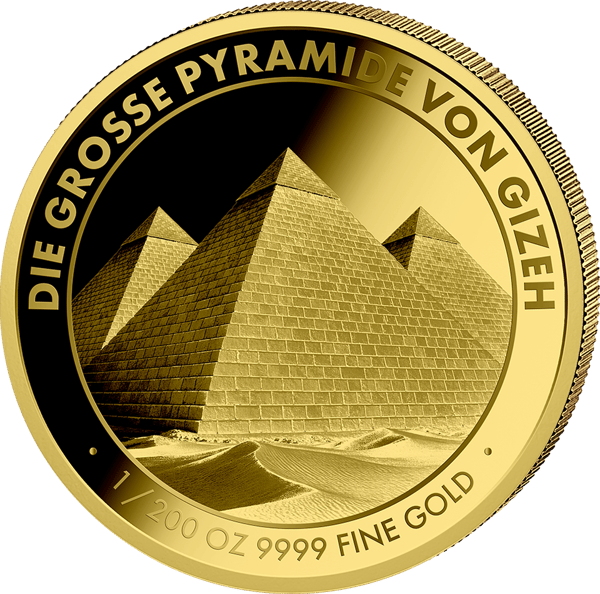 1 ×1/200 oz Gold Wonder of the World Pyramid of Giza 2026 (Mintage: 2,000 | Proof)
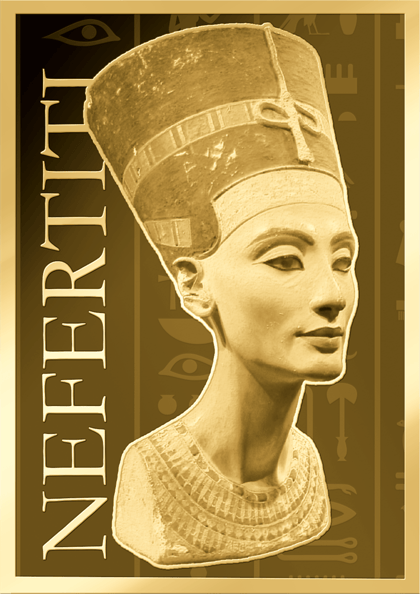
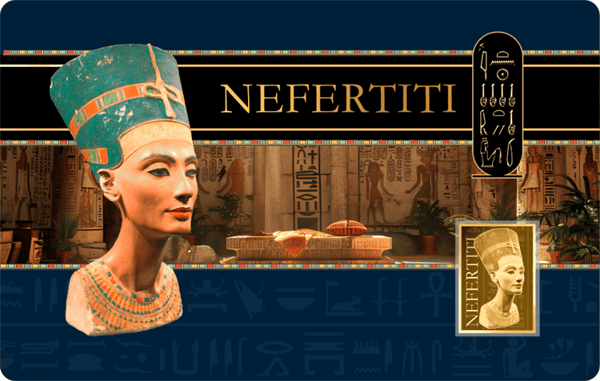 1 ×Gold Nefertiti Coin
 1 ×Gold Cleopatra Coin
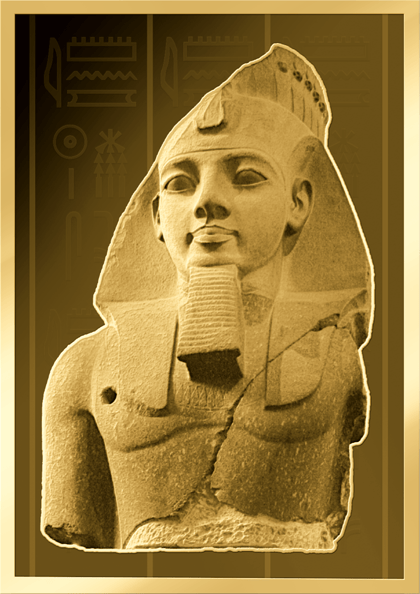
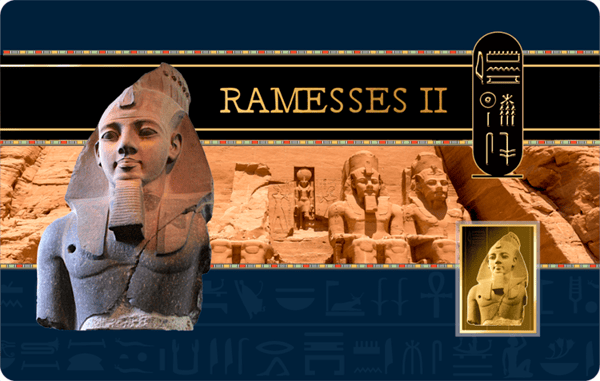 1 ×Gold Ramses II. Coin
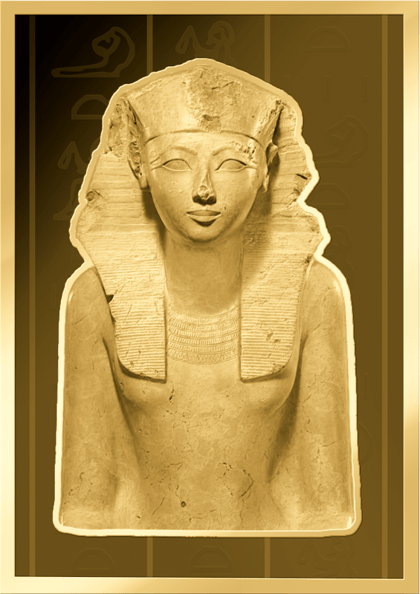
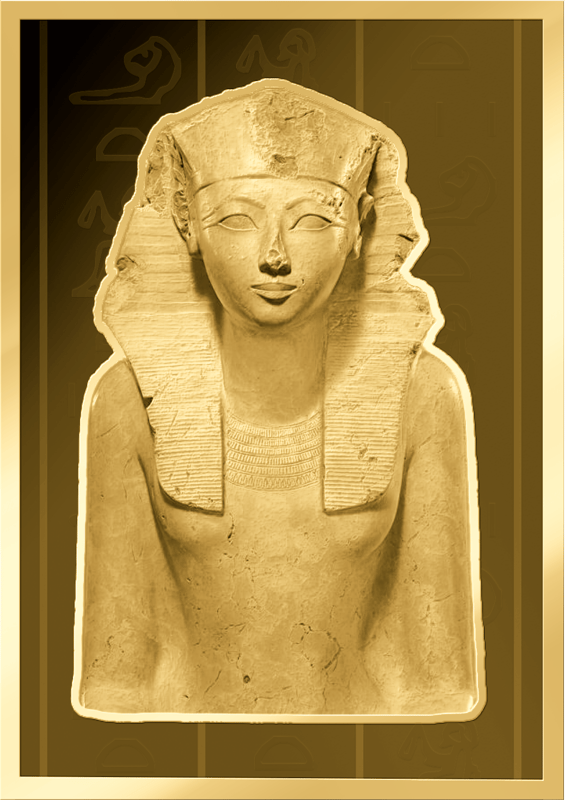
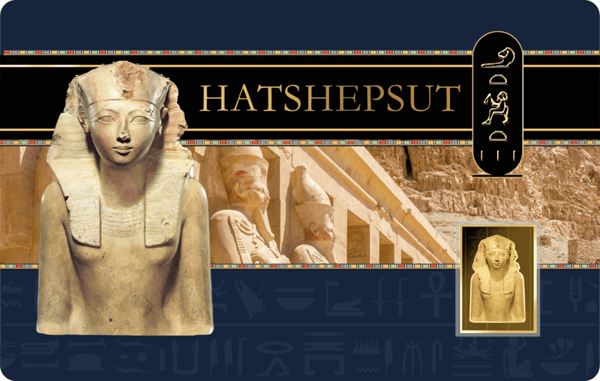 1 ×Gold Hatshepsut Coin
This package saves you €10.00
 Price alert
 Share

Pharaoh Collection 2026
6 pieces in gold.From the pyramid to Cleopatra.
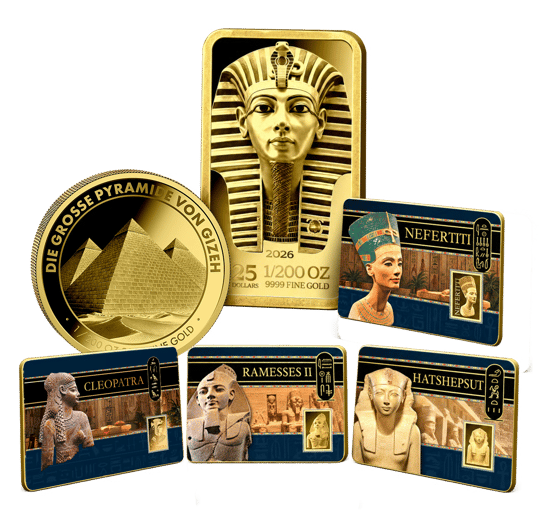
Tutankhamun’s mask as a coin bar from Liberia, 8.5 by 15 millimetres. With it the Pyramid of Giza and four rectangular gold coins from Chad: Hatshepsut, Nefertiti, Ramesses II and Cleopatra.
- Fine gold
- 0.44 g
- Time span
- over 2,500 years
- Size
- 8.5 to 15.4 mm
Tutankhamun’s mask as a coin bar from Liberia, 8.5 by 15 millimetres. With it the Pyramid of Giza and four rectangular gold coins from Chad: Hatshepsut, Nefertiti, Ramesses II and Cleopatra.
- Fine gold
- 0.44 g
- Time span
- over 2,500 years
- Size
- 8.5 to 15.4 mm
Five coins and one bar
The mask weighs as much as 5 Chad coins.
Tutankhamun’s mask and the Pyramid of Giza hold 1/200 ounce of gold each, the four Chad coins 1/1,000 ounce each. Yet the mask measures only 8.5 by 15 mm, each Chad coin 11 by 15.4 mm.
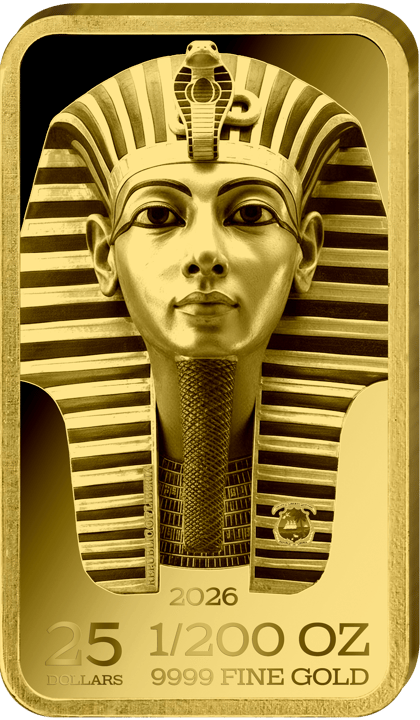
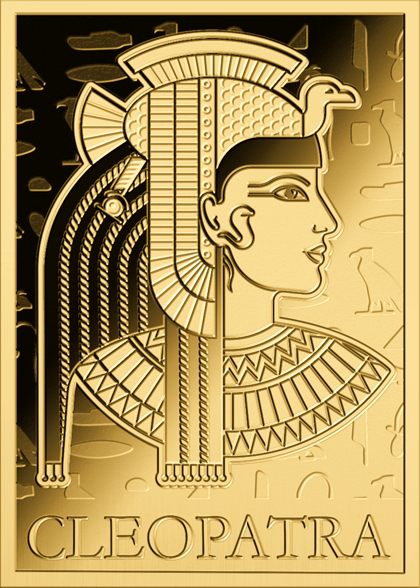
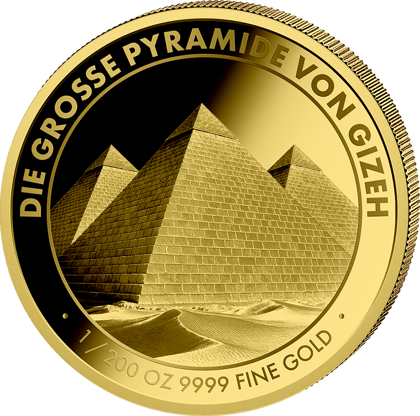
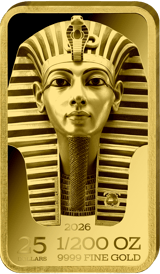 Tutankhamun’s maskThe gold mask from his tomb weighs over ten kilograms. Since 2025 it has been on display at the Grand Egyptian Museum.
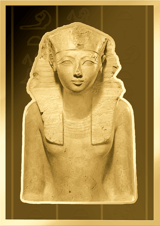 HatshepsutThe model is her seated statue from Deir el‑Bahri, now in the Metropolitan Museum in New York.
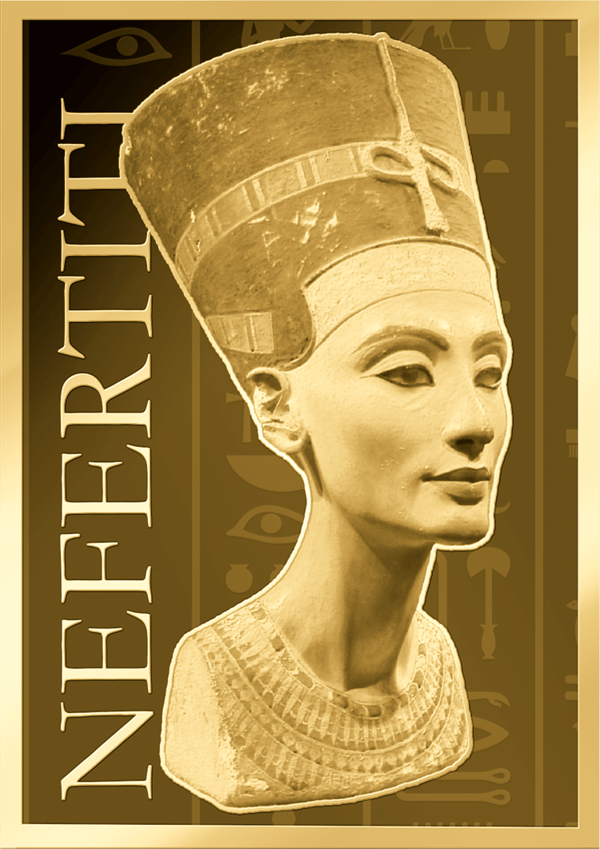
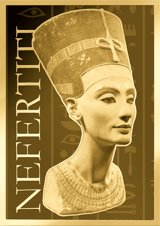 NefertitiThe model is the bust from the workshop of the sculptor Thutmose, now in the Neues Museum in Berlin.
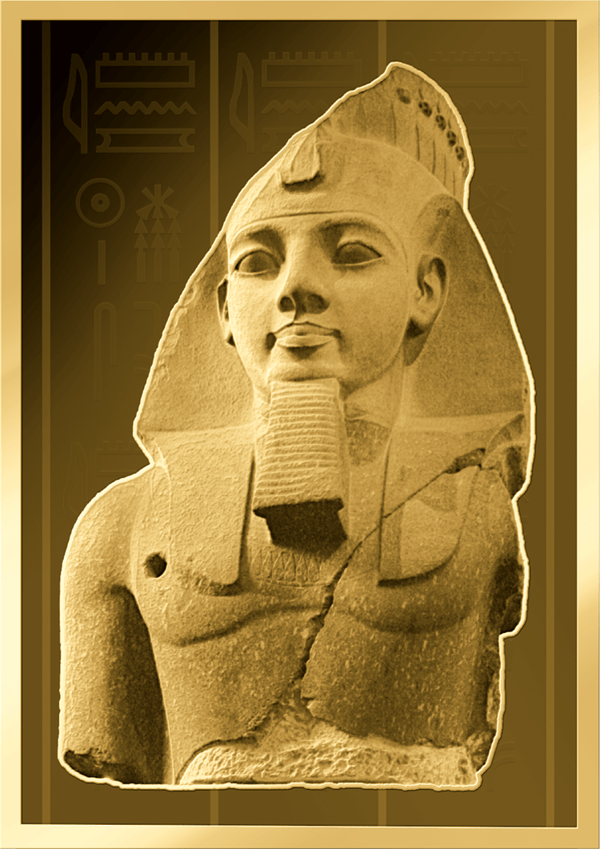
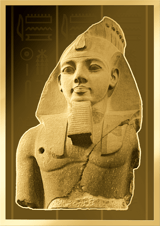 Ramesses IIThe model is the Younger Memnon, now in the British Museum in London.
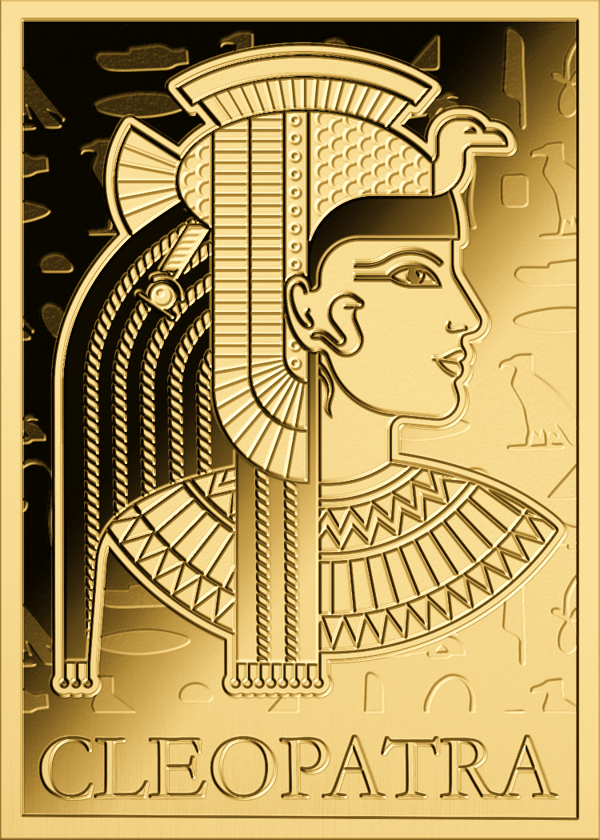
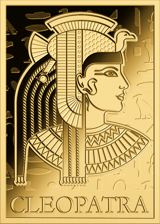 CleopatraHer death in 30 BC ended the rule of the Ptolemies, and Egypt fell to Rome.
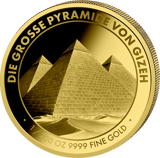 Pyramid of GizaThe reverse shows all seven wonders of the ancient world, with the arms of Liberia in the centre.
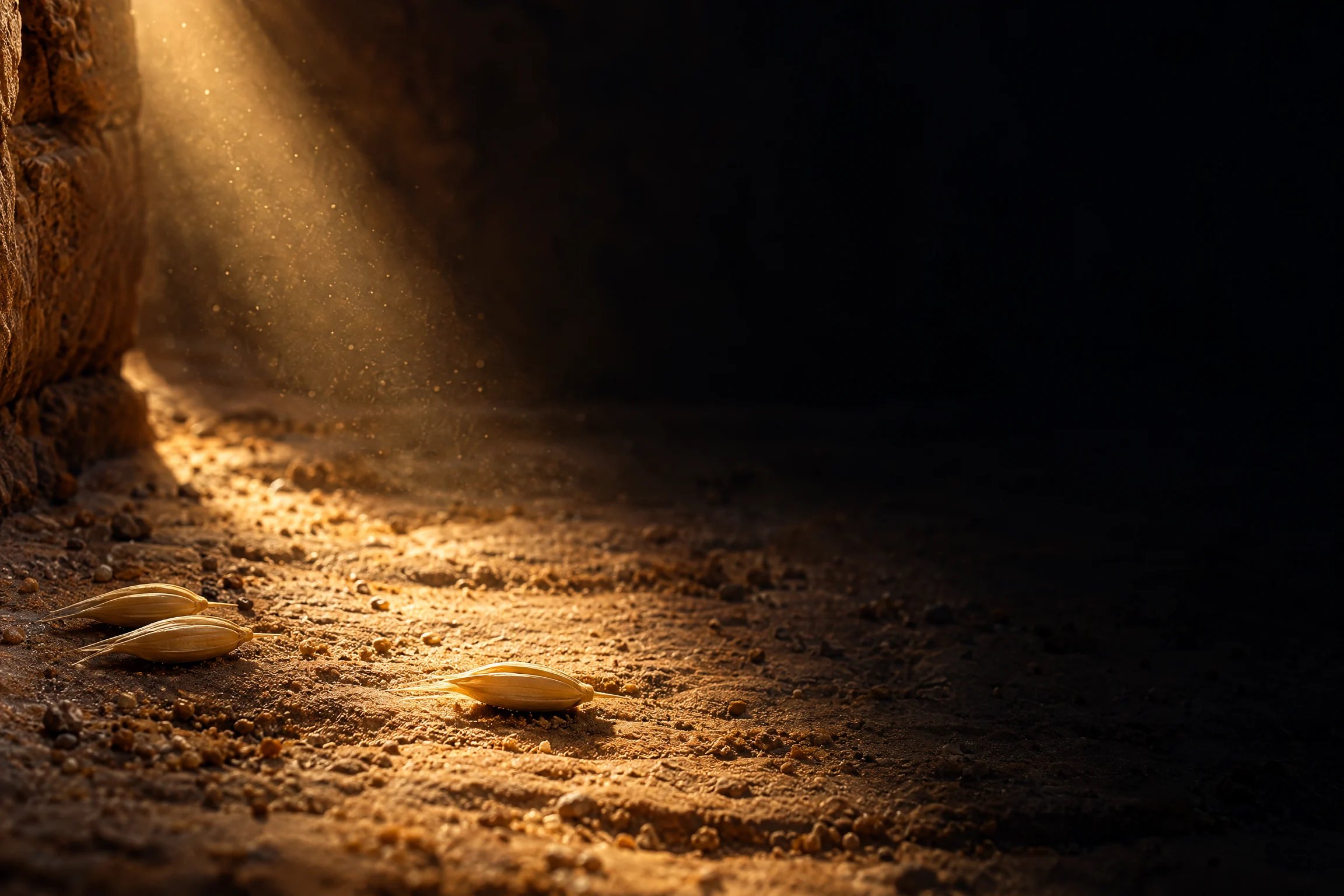

Abu Simbel
Twice a year the sun reaches Ramesses.
Ramesses II had a temple cut into the rock at Abu Simbel. Around 22 February and 22 October the first morning light reaches its sanctuary, and only the god Ptah stays in the dark there. The coin shows the king after a bust from his mortuary temple.
When the models were made
For Cleopatra the pyramid was already ancient.
- c. 2589 to 2566 BC
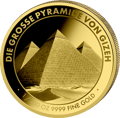 Pyramid of Giza
- about 1,100 yearsc. 1473 to 1458 BC
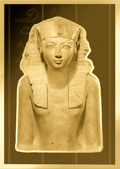 Hatshepsut
- c. 1340 BC
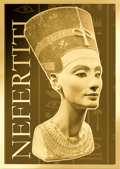 Nefertiti
- c. 1336 to 1327 BC
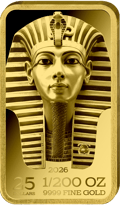 Tutankhamun’s mask
- c. 1279 to 1213 BC
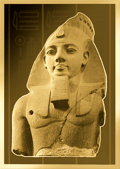 Ramesses II
- about 1,200 years51 to 30 BC
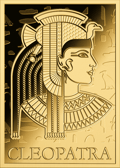 Cleopatra
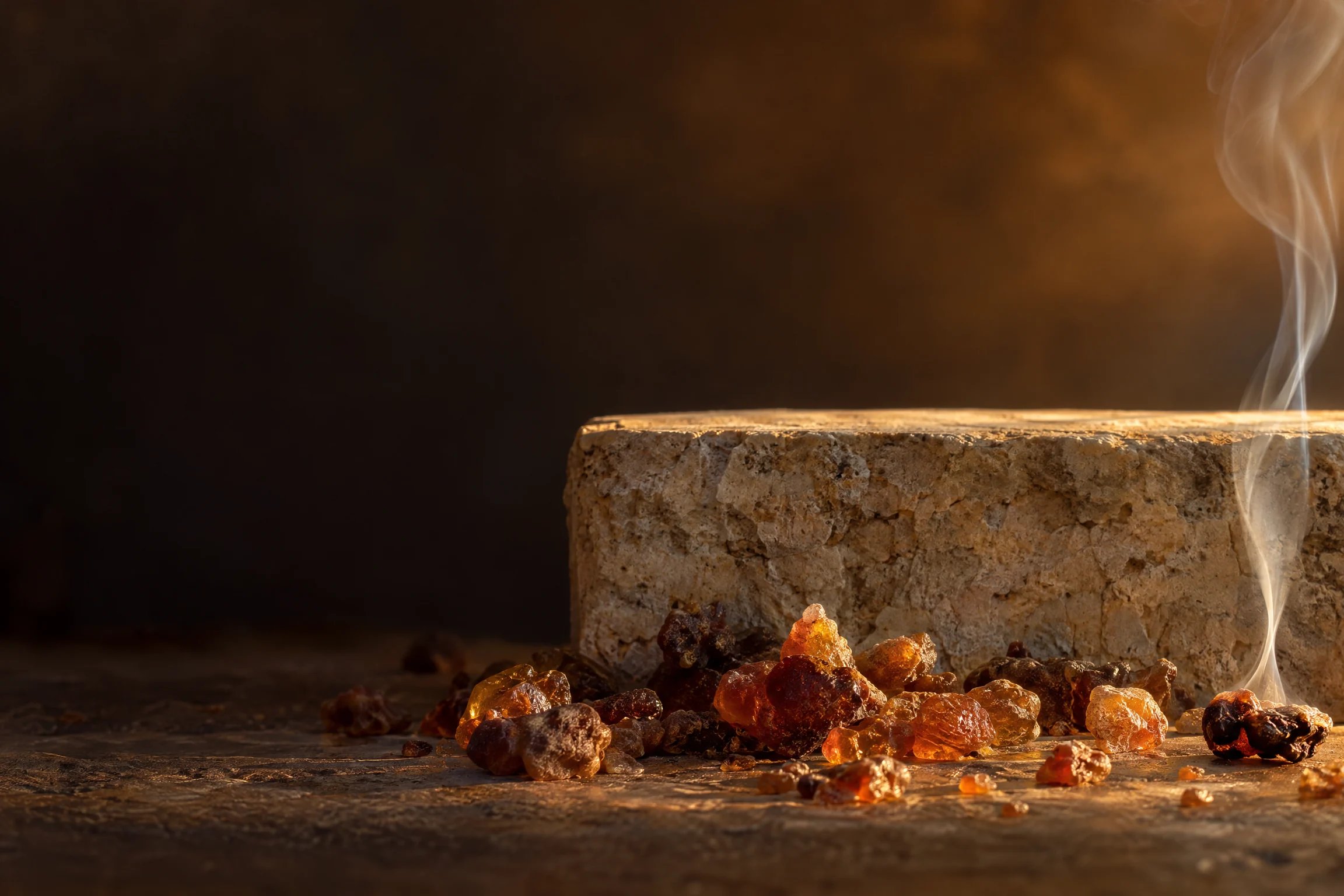
Hatshepsut had myrrh trees brought from Punt.
Punt probably lay in East Africa. The trees came by ship, alive, to Deir el‑Bahri. On the limestone: the pyramid, Hatshepsut, Nefertiti, Tutankhamun’s mask, Ramesses II and Cleopatra.
Pharaohs Collection 2026: Six Treasures from the Nile in One Set
- Design: From Tutankhamun's death mask with uraeus cobra and nemes headcloth, to the Great Pyramid of Giza, the only surviving wonder of the ancient world, to the portraits of Nefertiti, Cleopatra, Ramesses II and Hatshepsut set against temple backdrops and name cartouches with hieroglyphs.
- Material / Fineness: The minted bar and pyramid coin are made of fine gold 999.9/1,000 (24 carat), while the four ruler coins are made of fine gold 999/1,000. Together, the collection weighs in at 0.44 g of pure gold.
- Manufacturer: The two Liberia issues from the 2026 year of issue come from Kettner Edelmetalle, while the four Chad coins are produced by the renowned Swiss refinery Valcambi.
- Investment goal: With gold bars and minted bars such as the Tutankhamun mask, you protect your savings extremely effectively from the creeping erosion caused by inflation.
- Preservation of value: Physical fine gold is a first-class store of value that preserves the real purchasing power of your wealth and can even strengthen it over long periods.
- Protection: When prices rise, a recession looms and government debt spirals out of control, you shield your wealth with gold. That is tangible crisis protection instead of mere promises on paper.
Two and a half millennia of pharaonic history, six coins, one theme. The Pharaohs Collection 2026 is a brand-new compilation. It combines two limited Proof editions from the Republic of Liberia with four gold coins from the Republic of Chad. For collectors, this is a cohesive ensemble centered on ancient Egypt. For investors, it is a convenient building block that turns purchasing power into precious metal.
What's Included in the Collection
- 1/200 oz Gold Minted Bar Egypt Tutankhamun Death Mask 2026: Liberia, face value 25 dollars, fine gold 999.9/1,000, approx. 0.16 g, format 15 × 8.5 mm, Proof, mintage 1,000 pieces
- 1/200 oz Gold Wonder of the World Pyramid of Giza 2026: Liberia, face value 25 dollars, fine gold 999.9/1,000, approx. 0.16 g, 14 mm diameter, reeded edge, Proof, mintage 2,000 pieces
- Gold Nefertiti Coin: Chad, 3,000 CFA Francs, fine gold 999/1,000, approx. 0.03 g (1/1,000 oz), rectangular 11 × 15.4 mm
- Gold Cleopatra Coin: Chad, 3,000 CFA Francs, fine gold 999/1,000, approx. 0.03 g, rectangular format
- Gold Ramesses II Coin: Chad, 3,000 CFA Francs, fine gold 999/1,000, approx. 0.03 g, rectangular format
- Gold Hatshepsut Coin: Chad, 3,000 CFA Francs, fine gold 999/1,000, approx. 0.03 g, rectangular format
Tutankhamun – The Most Famous Face of Antiquity
Hardly any discovery has electrified the world as much as the nearly untouched tomb of the young king, which Howard Carter opened in the Valley of the Kings in 1922. Tutankhamun reigned for only about nine years, roughly from 1336 to 1327 BC. But his golden death mask became immortal. On the portrait-format minted bar, it gazes straight ahead from a deep black mirrored background: striped nemes headcloth, the raised uraeus cobra as a protective emblem on the forehead, and below it the braided ceremonial beard. In Proof quality, the relief appears almost three-dimensional. The reverse is left polished and blank.
The Great Pyramid – Built for Eternity
Antiquity knew seven wonders of the world. One still stands today: the Pyramid of Cheops, once called "Akhet Khufu," the "Horizon of Khufu." The obverse shows the three pyramids of Giza rising above gently curving dunes, framed by the inscription "THE GREAT PYRAMID OF GIZA." On the reverse, all seven wonders of the world are arranged in medallions around the central field bearing the name of the Republic of Liberia. The face value and the year of issue 2026 are also shown there.
Four Rulers, Four Chapters of Egyptian History
Nefertiti, whose name means "the beautiful one has come," stood as Great Royal Wife at the side of Akhenaten. Hatshepsut reigned from about 1479 to 1458 BC as one of the few women to sit on the pharaoh's throne, reviving trade as far as the legendary land of Punt. Ramesses II, the builder of Abu Simbel, is considered one of the most powerful pharaohs of all. Cleopatra VII, finally, was the last active ruler of the Ptolemaic Kingdom. These four gold coins rest on vividly colored design cards featuring temple backdrops and name cartouches. Each coin's value side bears the coat of arms of Chad.
Pharaonic Gold Against the Loss of Purchasing Power
That Egypt of all places is the theme of this collection carries symbolic weight. In ancient Egypt, gold already served as a measure of value in trade. It is the first documented example of gold taking on the role of a currency. Lavish gold jewelry and golden burial goods were a display of power and eternity at the time. Since then, the precious metal has endured as a store of value for over 6,000 years and has never had a value of zero, because it possesses an intrinsic, physical value.
Paper money, by contrast, can be multiplied at will. Central banks print it, prices rise, and savings quietly lose value. Gold is a scarce good with a limited supply. This is precisely why it is regarded as a classic inflation hedge and a safeguard against currency risks.
A remarkable detail: the world's largest gold holders are the central banks themselves. They keep the metal as a reserve, which clearly shows just how little they trust their own fiat money alone. Well into the 20th century, paper money under the gold standard could even be exchanged directly for gold.
Gold is humanity's oldest currency and has outlived every other one. The pharaohs had it crafted for eternity, and its luster has not faded to this day.
Small Denominations, Great Flexibility: A Comparison
Anyone buying a single one-ounce coin such as the Krugerrand ties up a larger sum in a single piece. The Pharaohs Collection takes a different approach. Six designs, three formats and two issuing countries make the set ideal as an entry point, as a gift, or as a thematic foundation for collecting around ancient Egypt. Denominations like these naturally carry a higher premium per gram than large bars. In return, you get Proof-quality coins, strictly limited mintages of 1,000 and 2,000 pieces for the Liberia issues, and a collector's appeal that a plain standard bar simply cannot offer.
Your Advantages at a Glance
- Tax exemption: Profits from the sale of gold are generally tax-free after a holding period of at least one year.
- VAT-free: Investment gold is exempt from VAT in Germany.
- Worldwide liquidity: Gold is recognized and tradable around the globe. If needed, it can quickly be converted into cash.
- Value across generations: Fine gold retains its physical properties permanently and is therefore ideally suited for passing on wealth to children and grandchildren.
Whether as a christening gift, a birthday present, or as the foundation of your personal retirement provision: with this collection, you hold the gold of the pharaohs in your hands, six times over, limited and with genuine fineness. Secure your set while the small mintages of the Liberia coins last.
Product image may differ from the actual product.
