





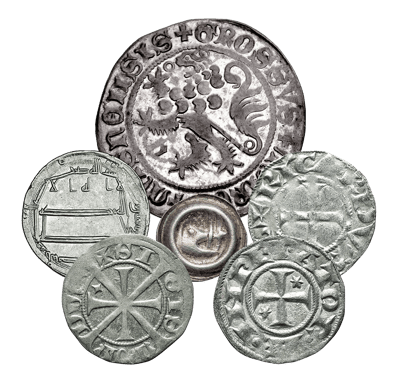

Market Bustle in the Middle Ages - Currency Collection
- New arrival: Product is new in the shop
- Secure shipping: 100% insured & anonymous delivery
- New arrivalProduct is new in the shop
- Secure shipping100% insured & anonymous delivery








By submitting your order you accept our Terms & Conditions and confirm the Right of withdrawal.
- New arrival: Product is new in the shop
- Secure shipping: 100% insured & anonymous delivery
 1 ×Silver Fürstengroschen Balthasar of Thuringia (1381-1407 | Knight in the Hundred Years' War)
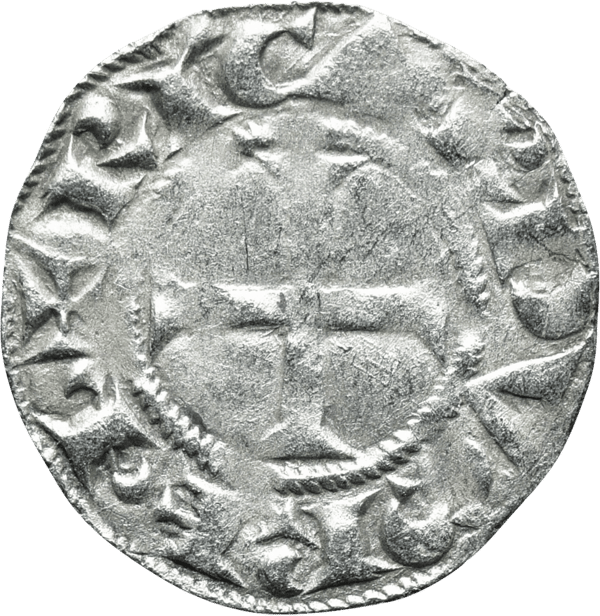 1 ×Silver Denier Kingdom of France (1189-1196 | County of Poitou | King Richard the Lionheart)
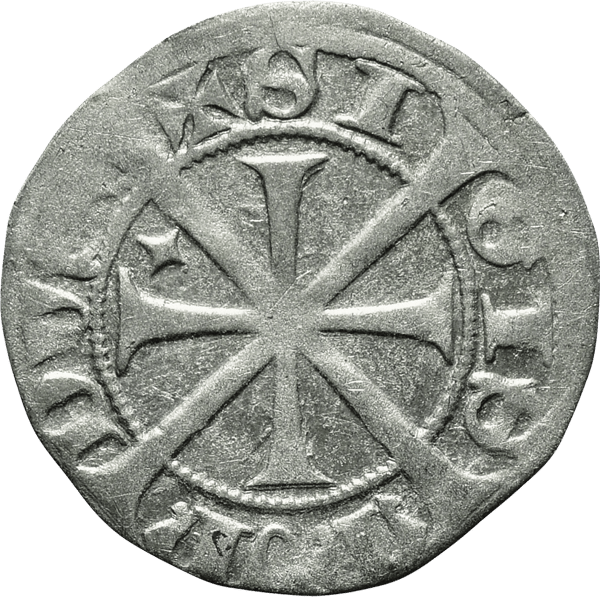 1 ×Silver Kreuzer Duchy of Tyrol (from approx. 1477 | Duke Siegmund of the House of Habsburg)
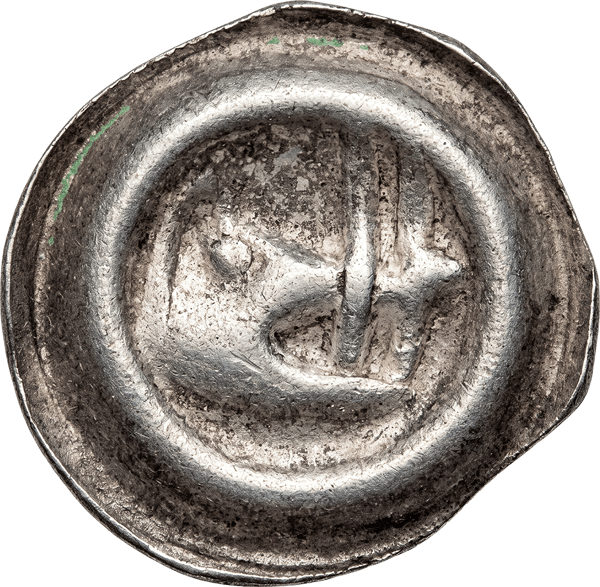 1 ×Silver Hollow Penny Boar with Tusks (14th-15th Century | Silesian Trade Coin of the Middle Ages)
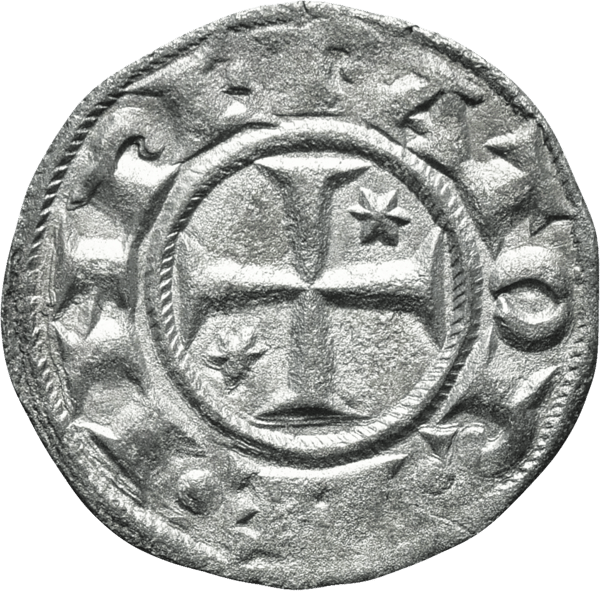 1 ×Silver Denar Kingdom of Sicily (1194-1197 | King Henry VI - Son of Emperor Frederick I "Barbarossa")
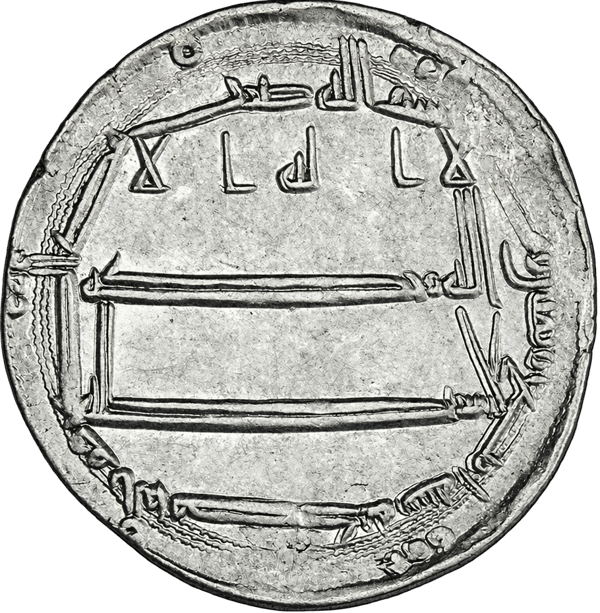 1 ×Silver Dirham Great Abbasid Empire (8th to 9th Century | Arab Golden Age)
This package saves you €21.00
 Price alert
 Share

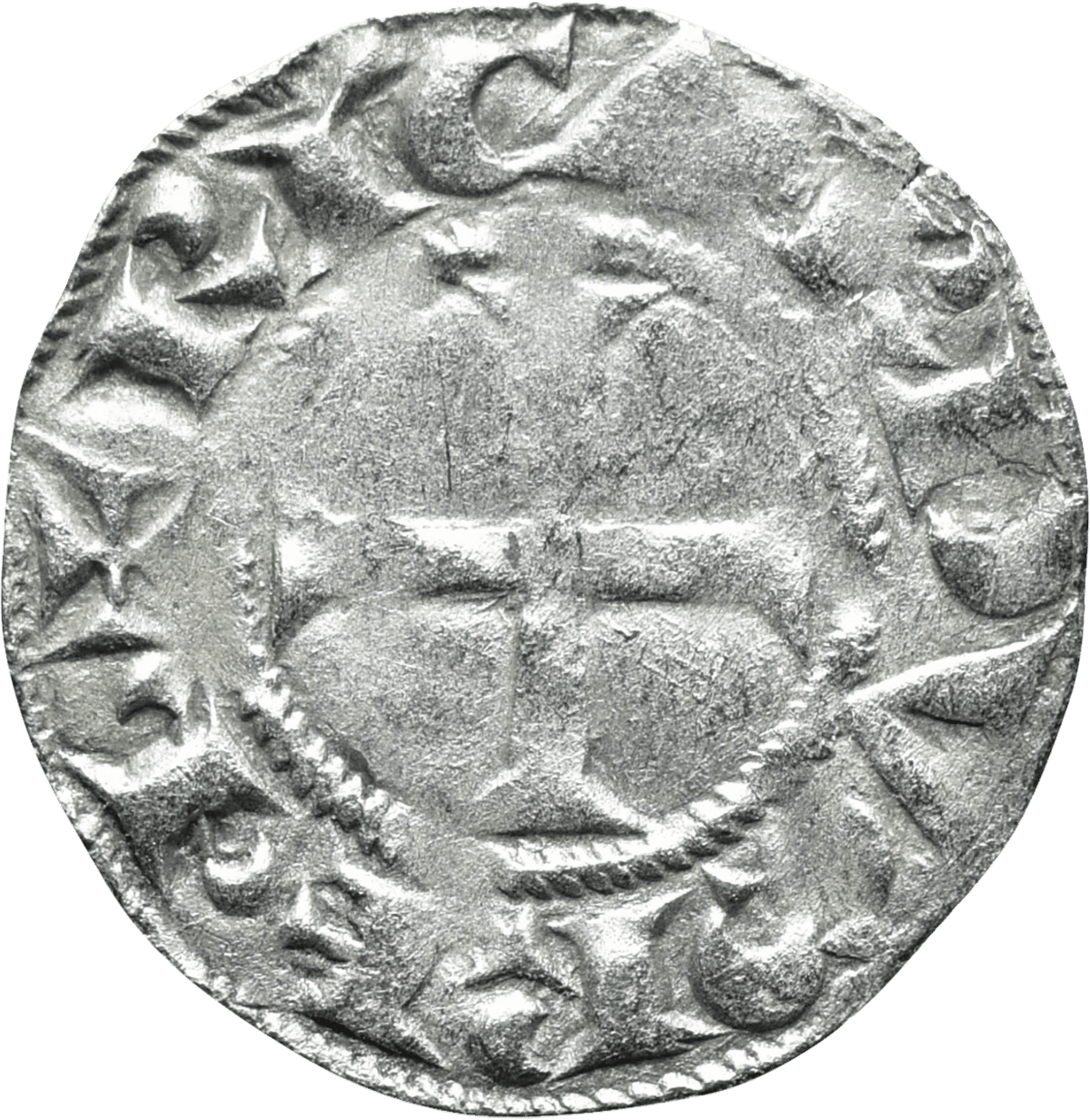
Market day in the Middle Ages
From hand to hand.6 coins at the market.
A dirham of the Abbasids, the deniers of Poitou and Sicily, a bracteate, the prince’s groschen of Balthasar of Thuringia and the kreuzer from Tyrol. All 6 are originals that people paid with between the 8th and the 15th century.
- Coins
- 6
- Centuries
- 8
- Weight together
- 8.35 g
A dirham of the Abbasids, the deniers of Poitou and Sicily, a bracteate, the prince’s groschen of Balthasar of Thuringia and the kreuzer from Tyrol. All 6 are originals that people paid with between the 8th and the 15th century.
- Coins
- 6
- Centuries
- 8
- Weight together
- 8.35 g
Sizes compared
6 strikes from 8 centuries, side by side.
All 6 to the same scale. The prince’s groschen measures 27 mm and weighs 2.85 g, the dirham 23 mm at 2.9 g. The deniers of Poitou and Sicily measure 18 and 17 mm, the kreuzer 18 mm, the bracteate 13.5 mm at 0.2 g.
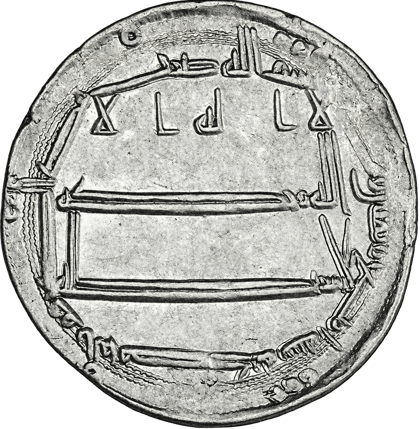
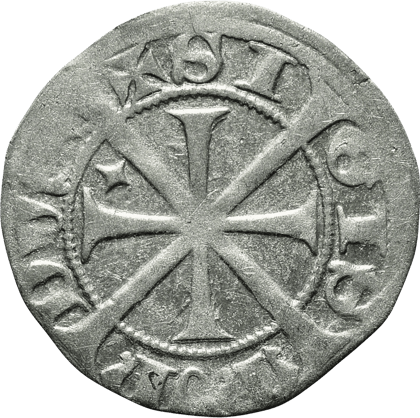
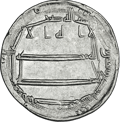
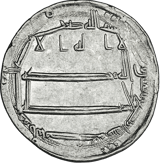 DirhamSilver of the Abbasids from the 8th to 9th century, 23 mm and 2.9 g. On the shop image both sides carry Kufic script, no portrait. The Abbasids ruled as caliphs from 750; Baghdad was founded in 762.
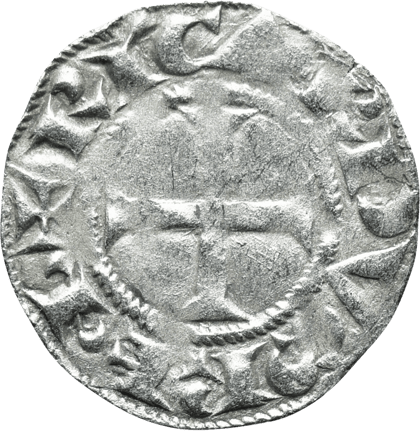
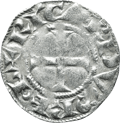
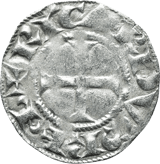 Denier, PoitouRichard the Lionheart was Count of Poitou and from 1189 King of England. His denier of 1189 to 1196 bears RICARDVS REX around a cross; on the shop image the other side reads PIC above and NSIS below. 18 mm and 1 g.
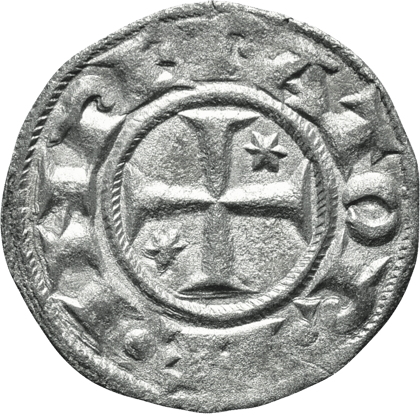
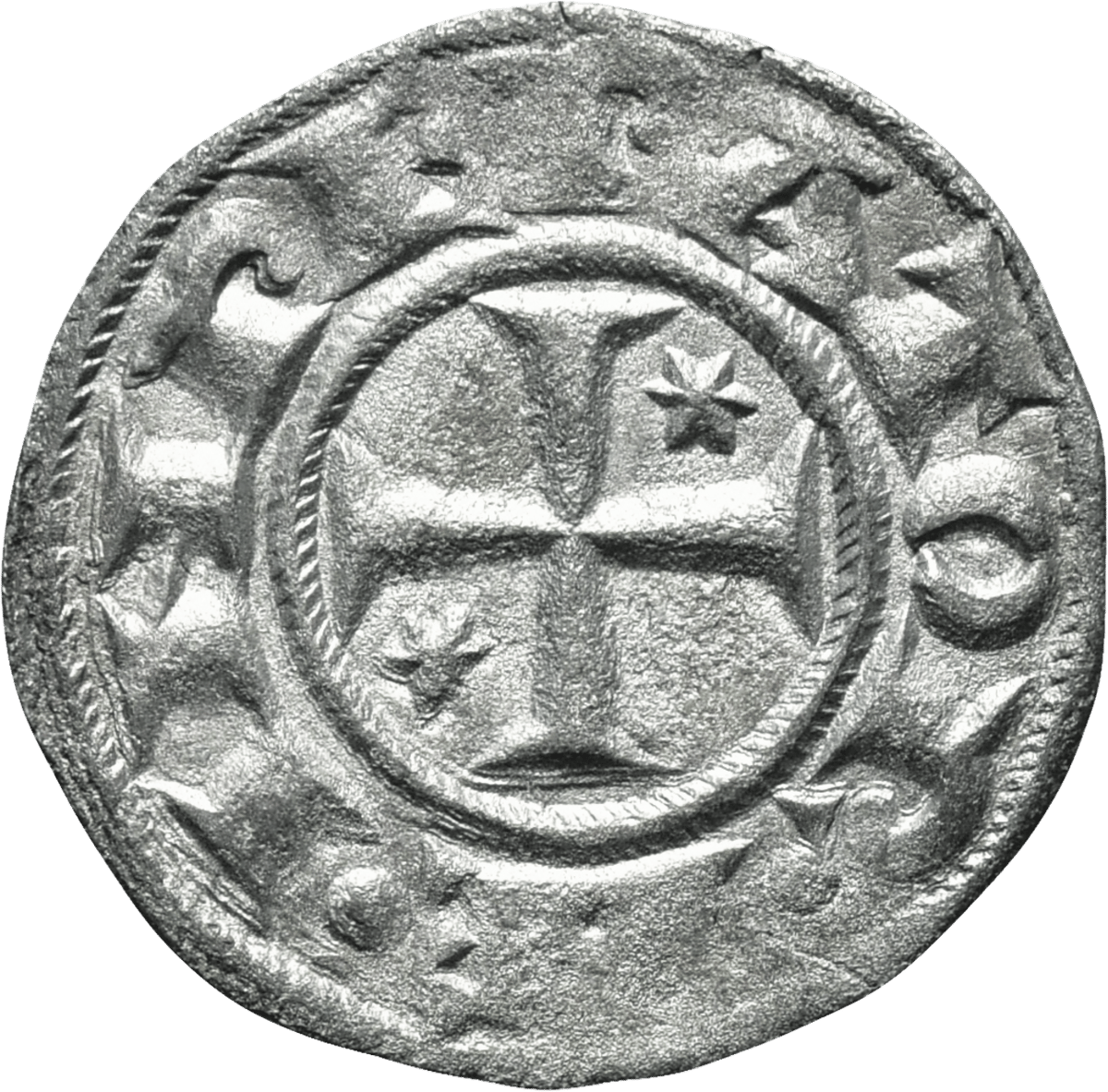
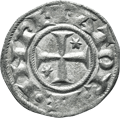
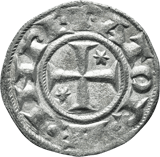 Denier, SicilyThe denier of Henry VI, son of Barbarossa, from the years 1194 to 1197. On the shop image a cross with 2 stars. 17 mm and 0.7 g.
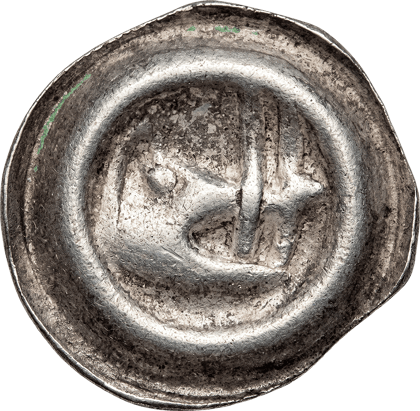
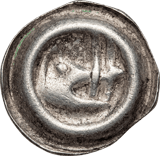 BracteateA thin sheet of silver, 13.5 mm and 0.2 g, struck from one side only: what stands raised in front lies as a hollow behind. A bracteate of the 14th to 15th century.
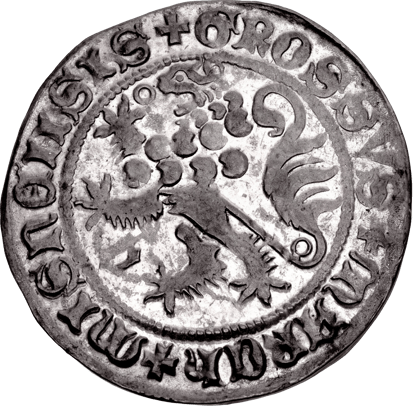
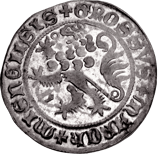 Prince’s groschenThe groschen of Balthasar of Thuringia, struck 1393 to 1406. 27 mm and 2.85 g of silver. On the shop image a lion in a beaded circle and a cross in a quatrefoil.
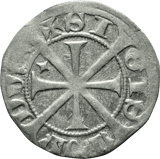 Kreuzer, TyrolThe kreuzer from Tyrol under Duke Sigismund of the House of Habsburg, struck from 1477. 18 mm and 0.7 g. In 1477 Sigismund moved the mint from Merano to Hall; the silver from the mines around Schwaz made his monetary reform possible.
Richard the Lionheart and Henry VI
The denier of Sicily and the ransom for Richard the Lionheart.
Shortly before Christmas 1192 Richard the Lionheart was taken captive near Vienna; in 1193 he was handed over to Emperor Henry VI, in 1194 he was set free. With the ransom behind him, Henry conquered Sicily in 1194 and was crowned king in Palermo on 25 December. On the shop image his denier shows a cross with 2 stars; Richard’s denier of Poitou belongs to the same collection.
From the 8th to the 15th century
From the dirham of the Abbasids to the kreuzer from Tyrol.
- c. 750 to 900
 Dirham
- about 400 years1189 to 1196
 Denier, Poitou
- 1194 to 1197
 Denier, Sicily
- c. 1300 to 1500
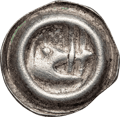 Bracteate
- 1393 to 1406
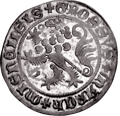 Prince’s groschen
- 1477 to 1490
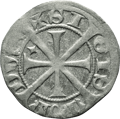 Kreuzer, Tyrol
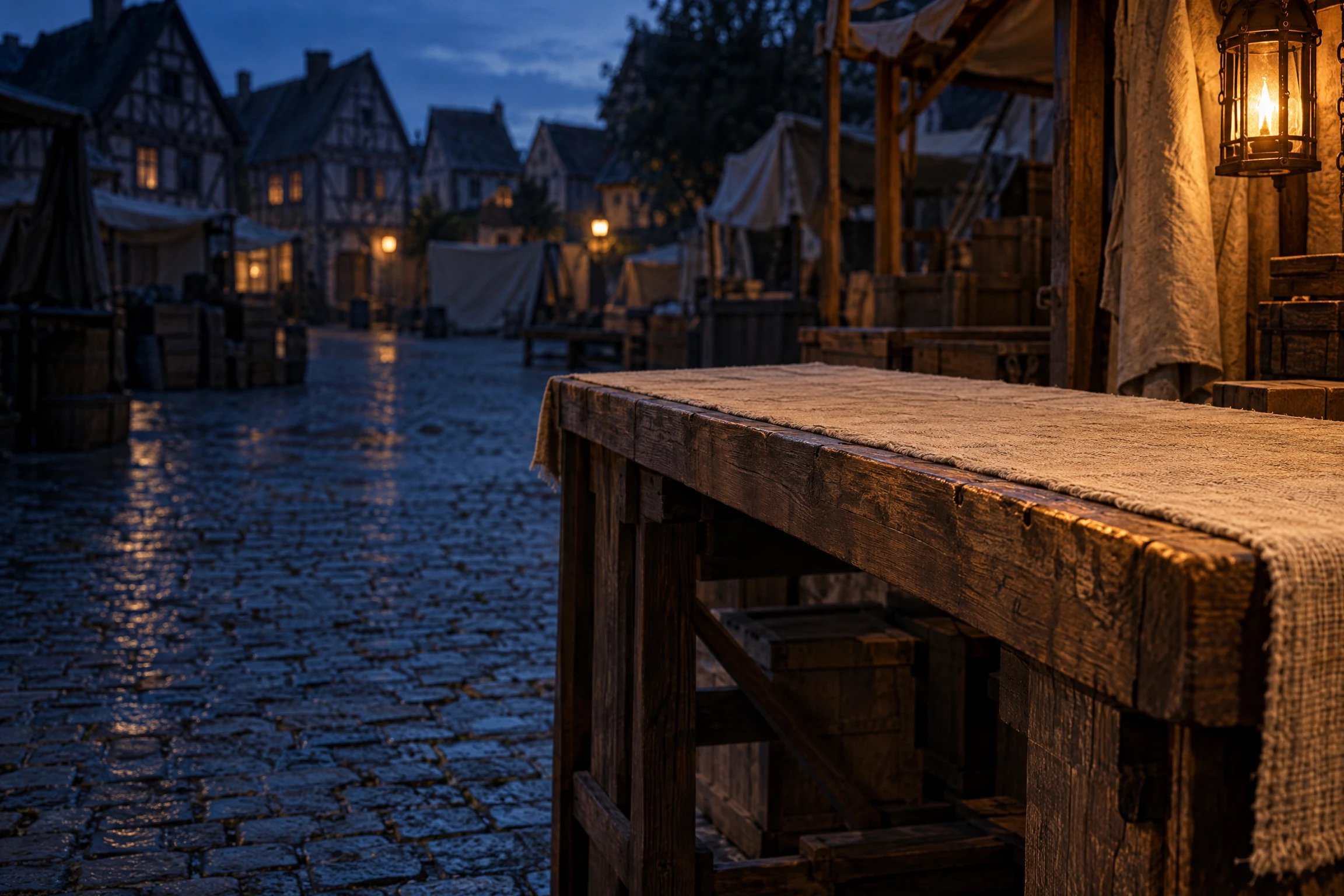
Kufic script, cross, lion and eagle.Market day in the Middle Ages in 6 coins.
On the shop image the dirham bears only script, no portrait; its name goes back to the Greek drachm. The deniers, the groschen and the kreuzer carry cross, lion and eagle. On the market stall beneath the lantern all 6 stand together.
Market Bustle in the Middle Ages: Six Genuine Silver Coins, Seven Centuries of History
Picture a marketplace around the year 1400. Traders tout their wares, money changers inspect foreign coins on their tables, and amid cloth, grain and beer, silver money passes from hand to hand. This is exactly the money you hold in your hands with the Currency Collection "Market Bustle in the Middle Ages". Kettner Edelmetalle has put together six genuine silver coins that actually served as a means of payment between the 8th and the late 15th century. The journey leads from the Baghdad of the caliphs to the Alps of Tyrol.
No restrikes, no medals. Every coin is a genuine witness to its time.
The Collection's Contents at a Glance
- Silver Dirham, Abbasid Empire (8th to 9th century): approx. 2.9 g, approx. 23 mm
- Silver Denier, Kingdom of France, County of Poitou (1189-1196, King Richard the Lionheart): approx. 1.0 g, approx. 18 mm
- Silver Denier, Kingdom of Sicily (1194-1197, King Henry VI, son of Emperor Frederick I "Barbarossa"): approx. 0.7 g, approx. 17 mm
- Silver Hollow Penny "Boar with Tusks" (14th to 15th century, Silesian trade coin): approx. 0.2 g, approx. 13.5 mm
- Silver Princely Groschen of Balthasar of Thuringia (knight in the Hundred Years' War): approx. 2.85 g, approx. 27 mm
- Silver Kreuzer, Duchy of Tyrol (approx. from 1477, Duke Sigismund of the House of Habsburg): approx. 0.7 g, approx. 18 mm
Together, the six coins weigh around 8.35 g in total raw weight. Fineness, year of minting and mint vary from piece to piece for historical reasons.
Six Coins, Six Stories
The Dirham: Silver from Baghdad's Golden Age
From 750, the Abbasids ruled over an empire that at times stretched from North Africa to Central Asia. In 762, they made Baghdad their residence. The silver dirham, often called "dirhem" in Europe, was the silver unit of the Arab monetary system and the counterpart to the gold dinar. Instead of a ruler's portrait, every dirham bears elegant Kufic script. At 2.9 g, it is also the heaviest piece in the collection.
The Denier of Richard the Lionheart
Around the cross stands RICARDVS REX, and on the other side, in three lines, PICTAVIENSIS for Poitou. From 1189, Richard was King of England and at the same time Count of Poitou, a fief of the French crown. A detail for connoisseurs: in England, he continued to have coins struck in his father's name. The Poitou denier is therefore one of the coins that genuinely bear Richard's own name.
The Denier of Henry VI: The Adversary in the Same Collection
This is where the collection becomes truly exciting. On his return from the Third Crusade, Richard was captured at the end of 1192 and handed over to Emperor Henry VI. The Hohenstaufen ruler, a son of Frederick Barbarossa, demanded an enormous ransom in silver. In 1194, Henry also became King of Sicily through his wife Constance's right of inheritance. His Sicilian denier and the Lionheart denier now lie peacefully side by side in this collection. The prisoner and his jailer, united in silver.
The Hollow Penny with the Boar
A small leaf of silver measuring 13.5 mm and weighing around 0.2 g, struck on a soft surface from one side only. What stands in relief on the front appears as a hollow on the back. The design, a boar with powerful tusks, is attributed to the area around the Silesian trading town of Schweidnitz. Such bracteates were genuine everyday money in the Middle Ages. In some regions, they were regularly demonetised and had to be exchanged for new money, for example four old ones for three new ones.
The Princely Groschen of a Knight
Landgrave Balthasar of Thuringia, from the House of Wettin, fought alongside the English King Edward III in the Hundred Years' War and was knighted in 1369. From 1393, he had his princely groschen minted in Freiberg and Sangerhausen. When he died at Wartburg Castle in May 1406, this minting came to an end. The rampant Meissen lion and the lily cross within a quatrefoil make the groschen the most impressive piece in the collection.
The Kreuzer from Tyrol
The Kreuzer owes its name to its distinctive double cross. Duke Sigismund, also known as Siegmund and nicknamed "the Coin-Rich", moved the Tyrolean mint from Meran to Hall in the Inn Valley in 1477, close to the silver mines of Schwaz. With this Kreuzer, the collection ends at the threshold between the Middle Ages and the early modern era.
Important: On the Condition of the Historical Originals
All six coins are historical circulation pieces, and this is visible. Patina, individual centring, small nicks, wear and more weakly struck legends are part of their biography. You will find detailed notes on condition with the respective individual listings. They apply equally to the coins in this collection.
The product images are example images. For historical reasons, the appearance, exact weight, year of minting, mint and grade of preservation vary from piece to piece. In any case, you will receive an original.
Why This Collection Convinces
- A common thread instead of a random assortment: together, the coins tell a story of trade, crusades and princely power.
- Great names: Richard the Lionheart, Henry VI, Balthasar of Thuringia and Sigismund the Coin-Rich in a single collection.
- Wide range: from the Abbasid Empire via France, Sicily and Silesia to Thuringia and Tyrol.
- Silver as a foundation: a metal that has outlasted empires, dynasties and currencies.
Collector's Item or Bullion Coin? An Honest Comparison
Modern silver coins such as the Maple Leaf or the Vienna Philharmonic contain one troy ounce of fine silver with a standardised fineness. Those primarily seeking as much metal as possible are well served there. This collection plays in a different league. Its appeal lies in age, provenance and history. The disadvantage is obvious: there is no standardised fineness and no uniform appearance. For collectors, the advantage weighs more heavily. You own genuine money that people used to pay with centuries ago.
The set also has a clear advantage over buying individually. You don't have to track down matching pieces one by one and instead receive a coherent selection of ancient coins from a single source.
Silver: The Money of Medieval Everyday Life
Gold is considered humanity's oldest currency and has outlived all others. In the everyday life of the Middle Ages, however, silver was the real money. Farmers, craftsmen and merchants paid with deniers, pfennigs and groschen. The rulers on these coins are long since history, and their empires no longer exist. The silver has remained. Collectors and investors still value this lasting quality of the precious metal today, for preserving value and as protection against inflation and crises.
The collection is suitable for lovers of medieval coins, for history enthusiasts, and as a gift with depth. It is a piece of Europe and the Orient that can be passed down through generations. Shipping takes place securely as insured value shipping.
Product image may differ from the actual product.
