





Silver Denier Kingdom of France (1189-1196 | County of Poitou | King Richard the Lionheart)
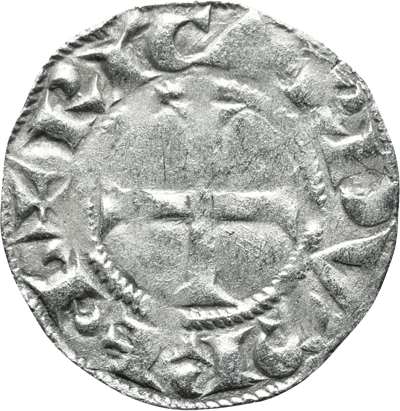
- Genuine Original: over 800 years old
- Royal Name: RICARDVS REX
- Hand-Struck: every piece unique
- Genuine OriginalMinted during the lifetime of the legendary crusader king
- Royal NameIn England he kept minting in his father's name
- Hand-StruckStruck with hammer and die, each with its own patina








- Genuine Original: over 800 years old
- Royal Name: RICARDVS REX
- Hand-Struck: every piece unique
 Price alert
 Share

County of Poitou
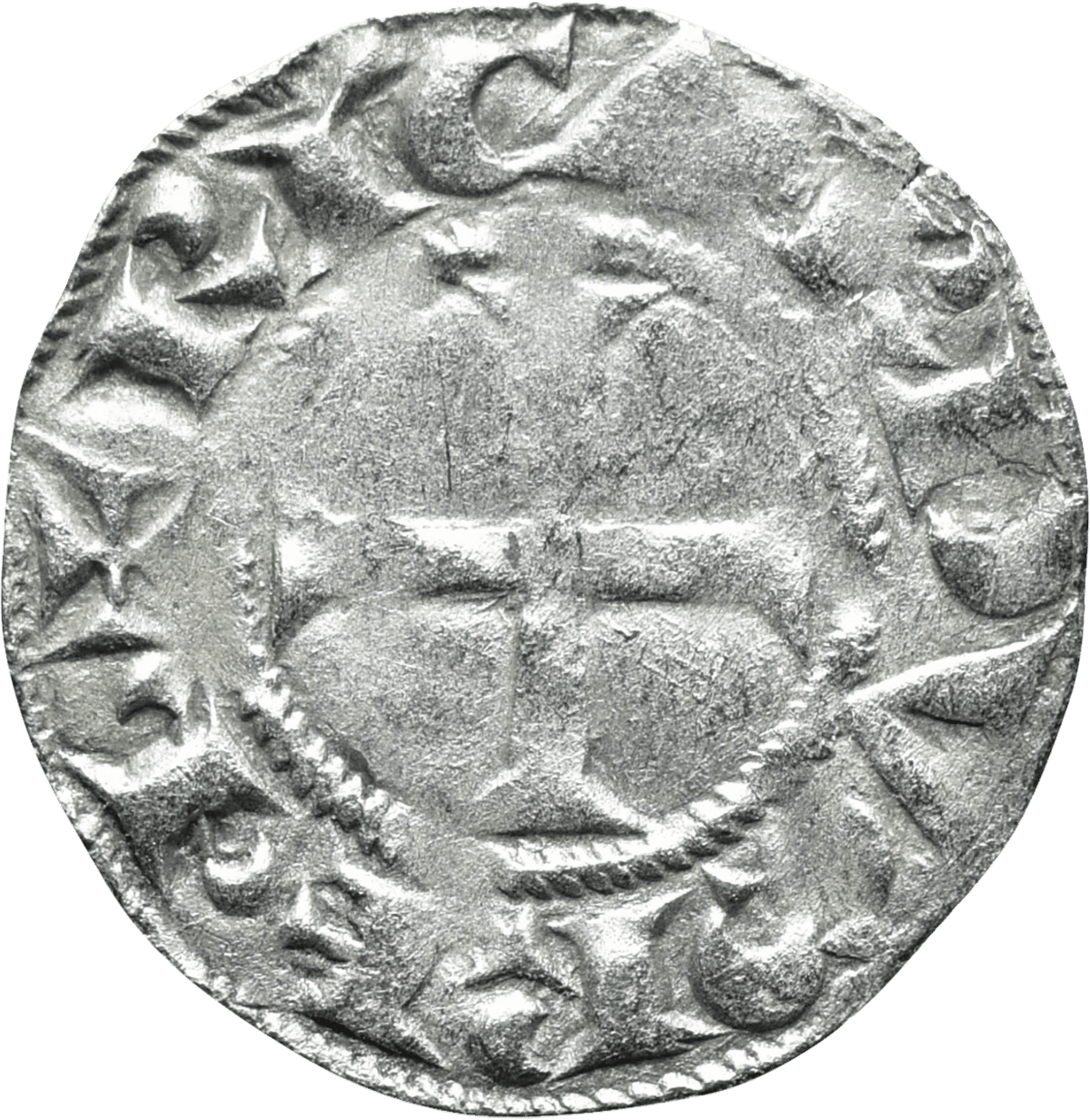
The Lionheart denier.Richard’s name, struck in silver by hand.
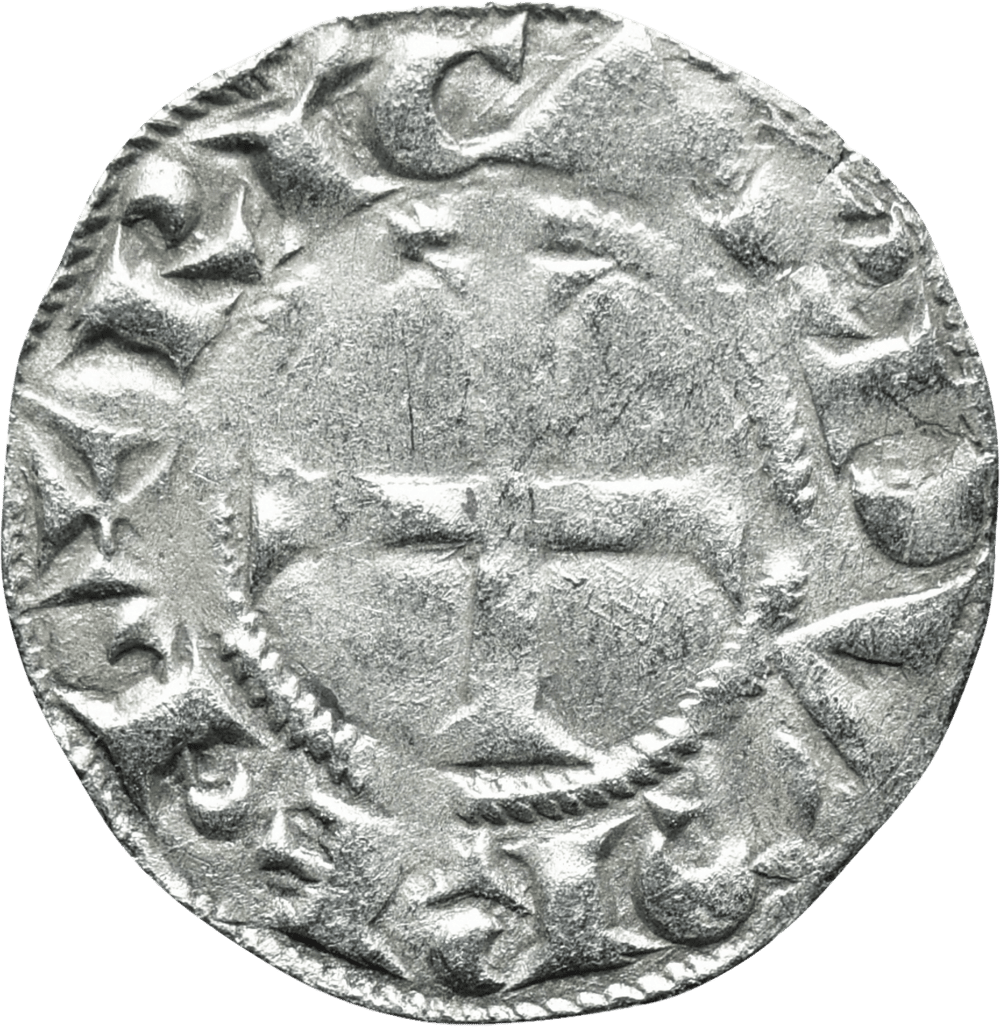
Around the cross runs RICARDVS REX, on the other side PICTAVIENSIS in 3 lines for Poitou. From 1189 Richard was King of England and at the same time Count of Poitou.
- Age
- over 800 years
- Coin
- Denier, silver
- Weight
- 1 g
Around the cross runs RICARDVS REX, on the other side PICTAVIENSIS in 3 lines for Poitou. From 1189 Richard was King of England and at the same time Count of Poitou.
- Age
- over 800 years
- Coin
- Denier, silver
- Weight
- 1 g

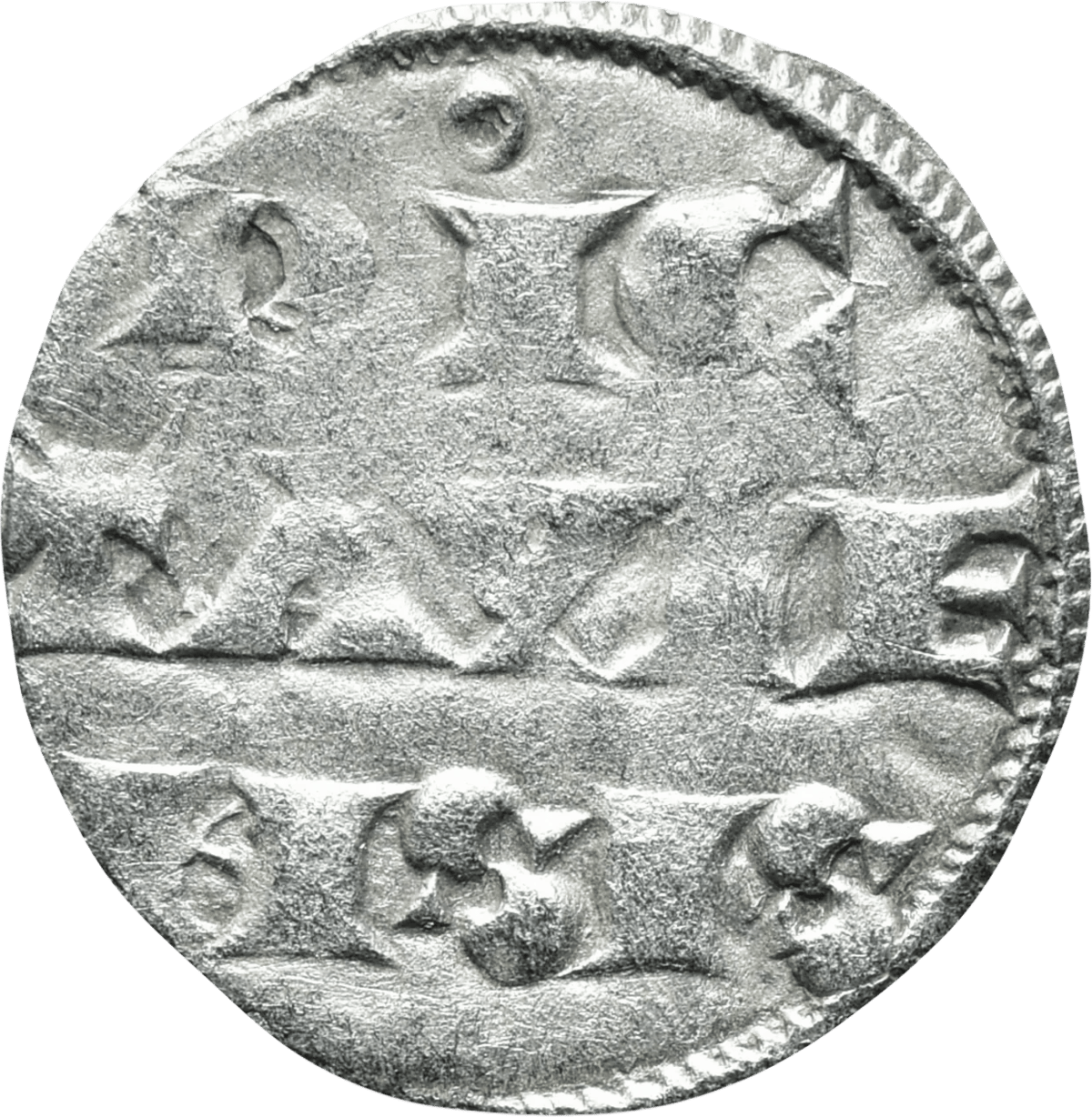
The other side
PICTAVIENSIS in 3 lines.
The inscription names the land the denier was struck for: Poitou with its capital Poitiers. In 1196 Richard handed the county to his nephew Otto, the later Emperor Otto IV.
On his way home from the crusade Richard was taken captive in 1192. He was ransomed for an enormous sum, paid in silver.

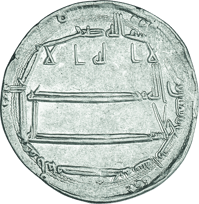
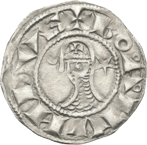
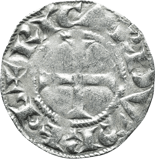
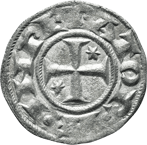
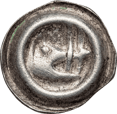
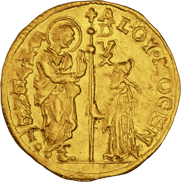
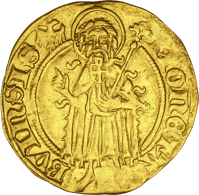
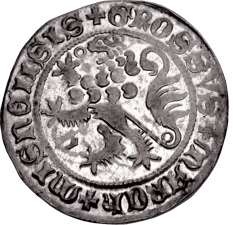
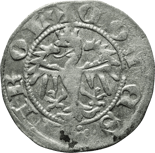

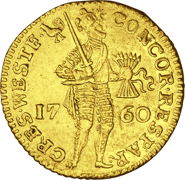
Size comparison
12 coins, one scale.
All 12 lie on the table in their true proportions, the oldest on the left. Your piece measures 18 mm.
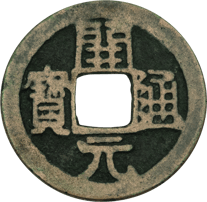
- Cash coin24 mm · 2.6 g
- Dirham23 mm · 2.9 g
- Denier17 mm · 0.83 g
- Denier of Poitou18 mm · 1 gthis page
- Denier of Sicily17 mm · 0.7 g
- Bracteate13.5 mm · 0.2 g
- Zecchino21 mm · 3.5 g
- Gold gulden23 mm · 3.9 g
- Prince’s groschen27 mm · 2.85 g
- Kreuzer18 mm · 0.7 g
- Gold fanam8 mm · 0.3 g
- Trade ducat21.4 mm · 3.5 g
The heaviest piece is not the widest: the gold gulden weighs almost twenty times as much as the bracteate and is still narrower than the groschen. Gold is almost twice as dense as silver.
Timeline
From 621 to 1797.
Each bar shows the years from which the pieces of a type come. For the zecchino that is 468 years, for the prince’s groschen only 13.
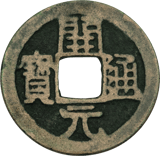 Tang dynasty621 to 907
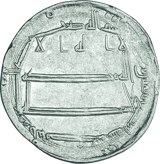 Abbasid caliphate8th and 9th centuries
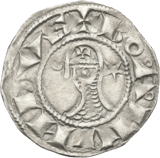 Principality of Antioch1163 to 1232
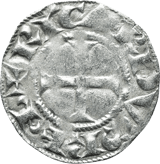 County of Poitou1189 to 1196 · Your piece
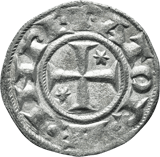 Kingdom of Sicily1194 to 1197
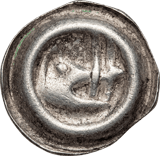 Town of Schweidnitz14th and 15th centuries
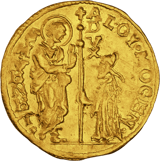 Republic of Venice1329 to 1797
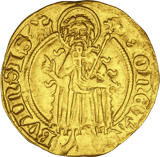 Electorate of Cologne1371 to 1463
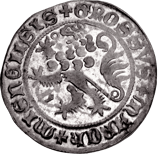 House of Wettin1393 to 1406
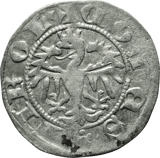 Tyrolfrom 1477
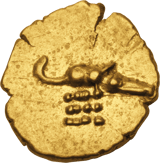 South India1600 to 1750
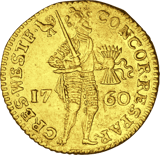 United Provinces1739 to 1794

12 coins.Over 1,100 years.
From 621 to 1797 and from China to the North Sea: every one of these coins was money that people paid with.
A King You Can Hold: The Denier of Richard the Lionheart from Poitou
Hardly any ruler of the Middle Ages left behind as many legends as he did. Crusader, knightly king, prisoner of an emperor. With this denier, you hold a piece of genuine silver in your hand, struck during the lifetime of Richard the Lionheart – in the County of Poitou in western France, between 1189 and 1196.
Richard, son of Henry II of England and Eleanor of Aquitaine, ruled England from 1189 as Richard I. On the continent, he simultaneously ruled over Poitou, a fief of the French crown. Hence its classification under the Kingdom of France: formally, the English king was here a vassal of his great rival Philip II. Minting ended when Richard transferred the county to his nephew Otto of Brunswick in 1196, the later Emperor Otto IV.
Cross and Script: The Coin's Design in Detail
The design is typical of the pfennig era of the High Middle Ages. Simple, powerful, unmistakable.
- Obverse: An equal-armed cross within a beaded circle, surrounded by the inscription ✠ RICARDVS REX – "King Richard".
- Reverse: The legend PIC / TAVIE / NSIS in three lines across the field. Read together, this forms PICTAVIENSIS, a reference to Poitiers and Poitou (Latin: Pictavia).
- Technique: Hand-struck with hammer and die, hence slightly irregular in shape and with individual centring.
A fascinating detail for connoisseurs: in England, Richard continued to have his pennies minted in his father's name, bearing the inscription HENRICVS REX. The Poitou denier is therefore one of the comparatively few coins that actually bear Richard's own name.
Technical Data at a Glance
- Denomination: Denier
- Issuing authority: Richard the Lionheart as Count of Poitou
- Minting period: 1189–1196, undated
- Material: Silver alloy, fineness varies by piece
- Gross weight: approx. 1 g
- Diameter: approx. 18 mm
- Condition: Circulated piece, grade of preservation varies
- Origin: Mints of France
Condition: Traces That Tell a Story
These pieces were in general circulation – and they look like it, too. Darker patina, individual centring, small nicks, wear, and in places weaker-struck sections of the legend: these are not flaws, but biography. Every trace comes from hands that, centuries ago, used it to settle payments for goods, cargo or debts.
Since the year of minting, mint location and reverse variant can differ, the piece delivered may differ from the image shown. Please understand the photo in the shop explicitly as a representative example: appearance, exact weight and condition vary from piece to piece for historical reasons. You are purchasing an original.
Silver and Ransom: The Metal That Determined Richard's Fate
On his return from the Third Crusade, Richard was recognised and captured near Vienna in December 1192. Emperor Henry VI ultimately demanded an enormous ransom: 150,000 marks in silver. The entire Angevin Empire had to bear this burden. It was not until spring 1194 that the king returned to England.
While gold is considered humanity's oldest currency, in 12th-century Western Europe the silver pfennig was the true money of everyday life. Farmers, merchants and mercenaries paid with deniers like this one. Gold coins minted locally were barely known there at Richard's time.
Silver was the backbone of monetary circulation in the Middle Ages – and to this day it has remained a metal with tangible, intrinsic value.
This tradition continues. Silver has outlasted currencies and empires, retains its physical properties over centuries, and is traded worldwide as a raw material – in demand in electronics, medical technology and jewellery making. Unlike paper money, which relies solely on trust in governments, silver possesses intrinsic value. Many investors therefore value it as an inflation hedge and as crisis protection in turbulent times.
A Collector's Piece with Soul: The Comparison Is Worthwhile
Modern silver coins such as the Maple Leaf or the Vienna Philharmonic offer a great deal of metal per piece. This denier plays in a different league. Here, the focus is not on weight but on age, ruler and provenance. Those seeking pure material value should turn to the ounce coin. Those who want to own history they can weigh in their hand should choose this piece – or deliberately combine both in their collection.
Compared to an English short-cross penny from Richard's reign, the Poitou denier has a clear advantage: the royal name RICARDVS appears on the coin itself. For collectors interested in the Crusades, the House of Plantagenet, or medieval France, it is a true centrepiece.
Who Is This Denier Suited For?
For collectors of medieval coins as well as history enthusiasts seeking an original testament to the age of the crusaders. It also makes a meaningful gift with depth, for instance for fans of the Robin Hood legends, in which Richard appears as the returning king. And it is a piece that can be passed down through generations. Good to know: in Germany, profits from the sale of physical silver are generally tax-free after a holding period of at least one year.
Over 800 years old, struck in the name of one of Europe's most famous kings: secure your original denier of Richard the Lionheart at Kettner Edelmetalle.
Product image may differ from the actual product.
